
A bioethicist, my son and me: who pays for living much longer?
In Boston, Raiany Romanni-Klein showed my son and me that we already pay trillions for aging, just at the wrong end. And why “natural” is only a story.
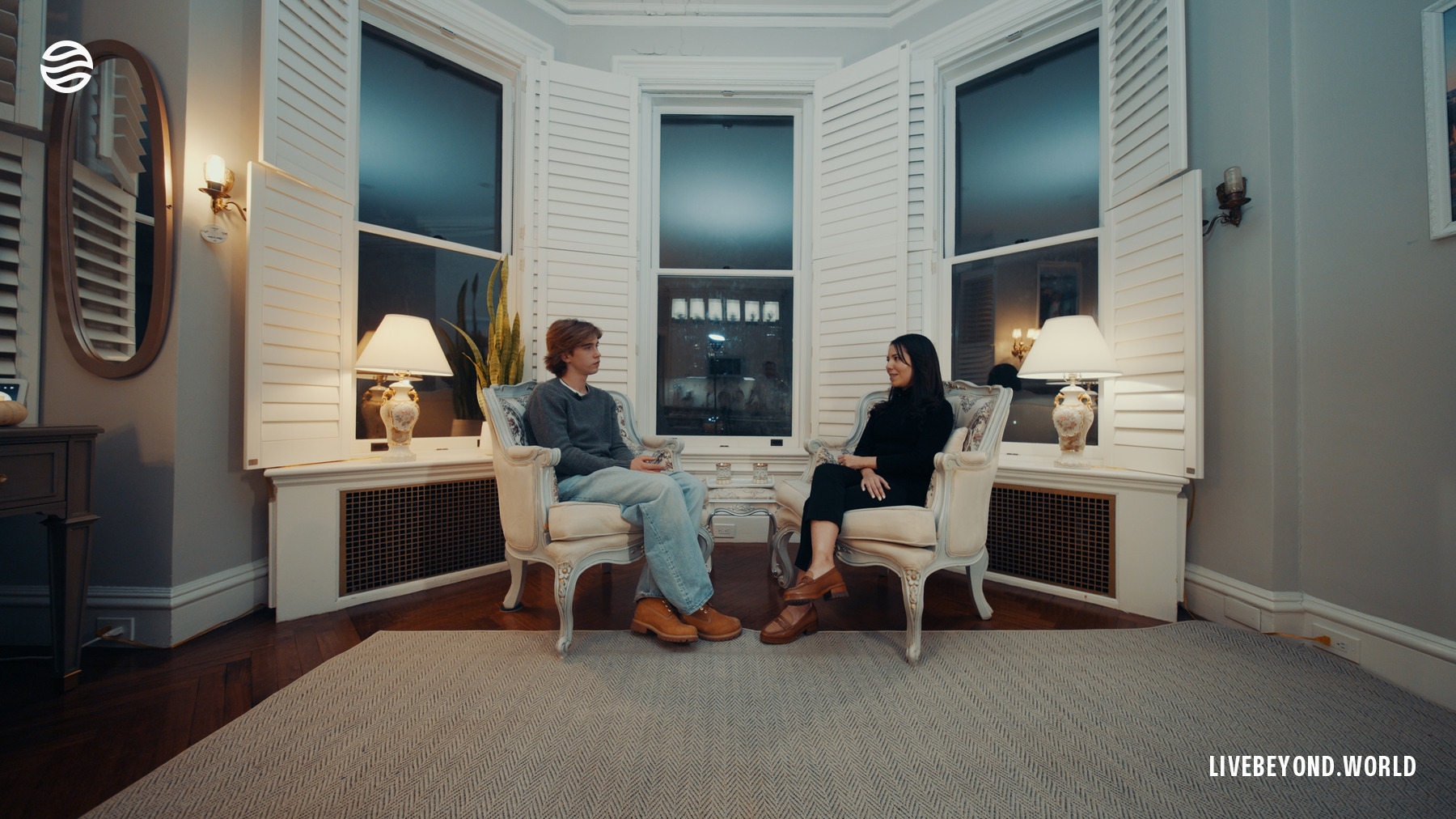
Some ideas sound like pure philosophy until somebody puts a price tag on them. For me, that happened in Boston in November 2024, in the apartment of Raiany Romanni-Klein.
My son Alek and I had been filming since the morning, and it was already dark outside. We had first met her a few days before, at the Biomarkers of Aging conference at Harvard. Raiany is a bioethicist. Her work is to ask what we, as a civilization, should do with the new biotechnologies. She began with a wish:
If I had a magic wand and if I could delete one bias from human civilization, it would be this idea that what is natural is morally superior to what is unnatural.
I love that wish, because I hear the same objection wherever I speak: living much longer isn’t natural. Earlier that day, in a cemetery, Robert Waldinger had told us that knowing life ends makes people happier as they age. I told Raiany how I see it. Life is far too beautiful for me to simply accept an expiry date. Her reply was short:
If you’re dead, you don’t get to do anything. So I would argue life extension is the single most important thing we should be working towards.
Then came the part people usually ask me about first. When I say I want to live at least 500 years, somebody always wants to know who will pay for it. Raiany knew the figures by heart:
By 2029, the US is gonna be spending $3 trillion every year, half its federal budget, on adults age 65 and older with Medicare and Social Security. It’s, I would argue, the biggest problem in human civilization … in this century.
(Medicare and Social Security are America’s health insurance and state pension for people over 65.) So the money is already being spent. It just goes to the years we spend ill. Nearly every dollar fights the illnesses that aging brings. Hardly anything fights aging itself:
We act as if there were no solutions. We pretend that it’s not a problem because there seem to be no solutions at hand, but there are, right? We know that we can target the biology of aging, and we should.
We are already paying for aging. We just pay at the wrong end.
With a team of economists, she has built a model of what slowing aging is worth, called Silver Linings. One year less of brain aging alone, she told Alek, would add billions of dollars to the US economy, and trillions over time. And that is only one country. Then we talked about Japan, where Alek and I spent a month. By 2050, more than half of the people there won’t be working. So the real worry isn’t too many people. It’s too few who can work. I pushed back once more: all our medicine still builds on natural biology. Her answer is the line I quote most since that night:
In my view, either everything is natural or nothing is. So anything the human brain can produce is natural, I would argue. … If we can think it up, we can make it happen.
What moved me most was something very personal. Raiany is 30. She would love a family and kids, and with her career that feels impossible in one lifetime. A longer healthy life would let her have both. I get it. I’d love twins one day, a little brother and sister for Alek and Ryan. In May 2026 she joined our show at Life Summit in Berlin, live from Boston on the big screen, and her book, The Good Lifespan, is coming out with Harvard University Press. Alek asked her what she would tell his generation:
There are solutions out there. So I hope this film shows people, young and old, that there are solutions to this problem.
Next year you’ll see that evening in our film, “Live Beyond. Father and Son on a Quest for Longevity”. Now my question for you: if you were offered 200 years in good health, would you take them? Just tell me yes or no.
Answers on this topic
Gene therapy for longevity: would you do it? →
Women’s longevity: why the ovaries age first, and why it starts before birth →
Partial reprogramming: turning back the clock of our cells →
The full story of that evening, with photos and every voice, is waiting for you on the Live Beyond Hub:
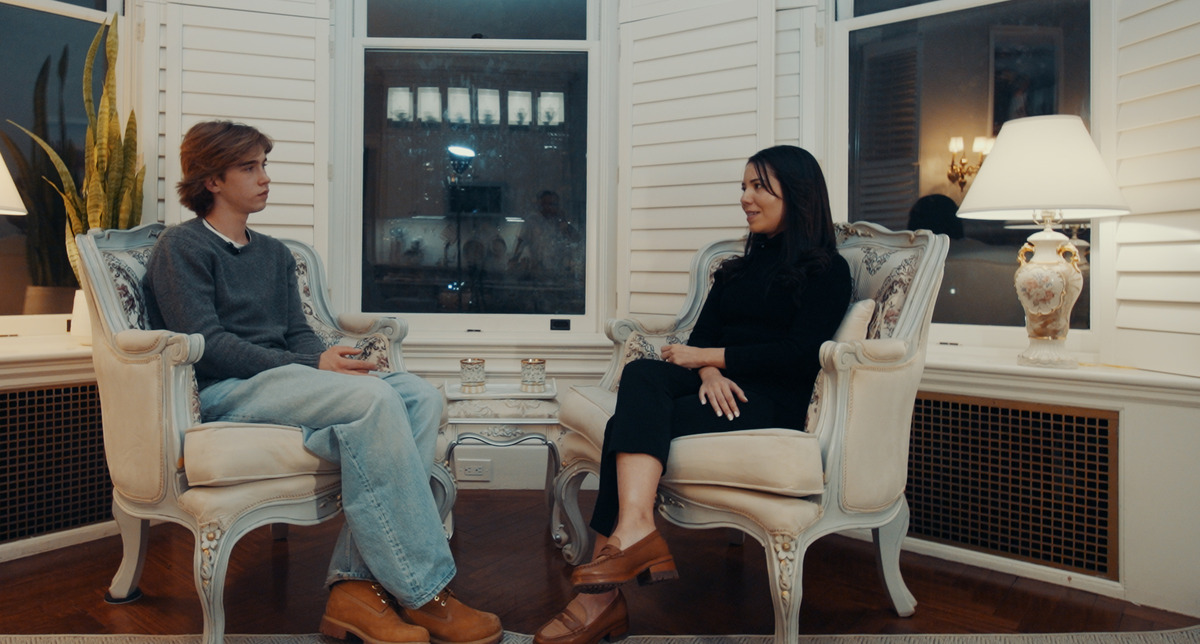
The full article on the Live Beyond Hub
Either everything is natural or nothing is: what Raiany Romanni-Klein told my son and me
12-minute read · 7 photographs · 3× longer than this page
Written by Marek Piotrowski. If you would like the Longevity Map that sits behind all of this, it is yours, with its Guide: ask for it here.
Get the Map and its Guide. The whole field on one page, and the stories behind it.
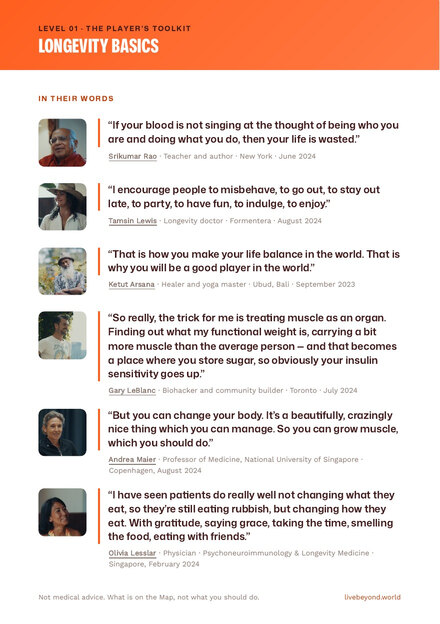
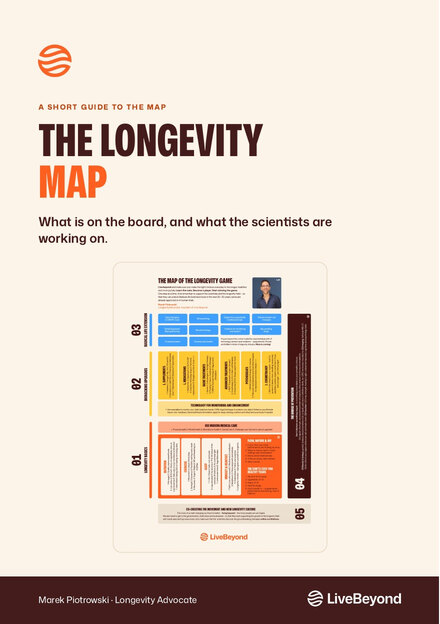
The Longevity Map will guide you to a longer, healthier and more fulfilling life. It gives you a helicopter view on all branches of the longevity field.