Longevity Advocate
How it started

My son said he was ready, and I drew the world on a napkin.

In November 2022 my son came to me and said he was ready for a gap year. I had offered him one years earlier and he had turned it down — he still needed his friends and his mother. This time it was his idea. We were sitting in a café. I turned a napkin over and drew the world’s great centres of longevity research, joined by one line, and that line became the route.

The family told him he would fall out of the system. That was the point. I wanted him to see the world properly, to meet the people I had spent 20 years meeting, and to choose his own life from somewhere wider than a school corridor. I wanted a year with my son. And I wanted to walk into the field I had decided to give the rest of my working life to — not as a visitor, but with a camera and a reason to ask the best people in it anything I liked.

Two weeks before we flew, a producer friend told me to buy proper equipment, because we might end up making a documentary. I told him I was not a filmmaker. Then I lost three nights to it, got up on the fourth morning and started writing the plan. We landed in Dublin with more gear than talent. That ratio reversed somewhere over the Pacific.

We did not go looking for one thing. We went looking for six, and by the end they had turned out to be the same thing.

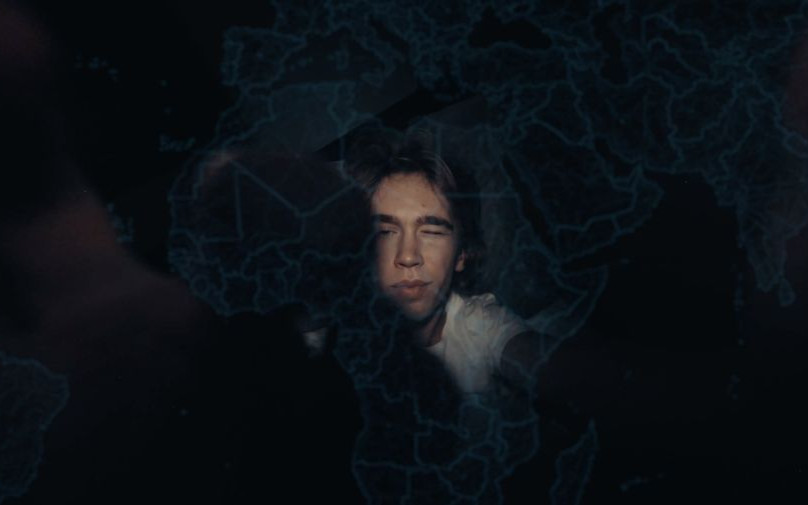
Alek with the map at night, at home in Poland
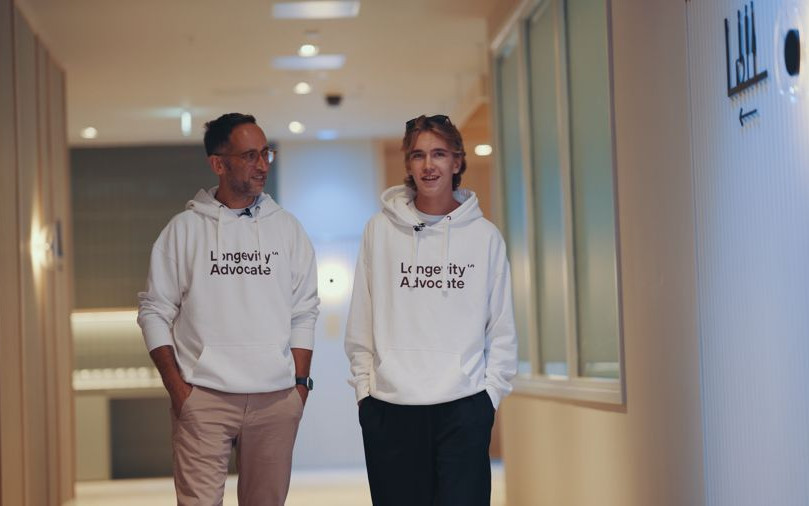
Marek and Alek at Longevity Summit Dublin
The first conference, Dublin, August 2023
One of six · the science

The laboratories, and the people actually moving the field.

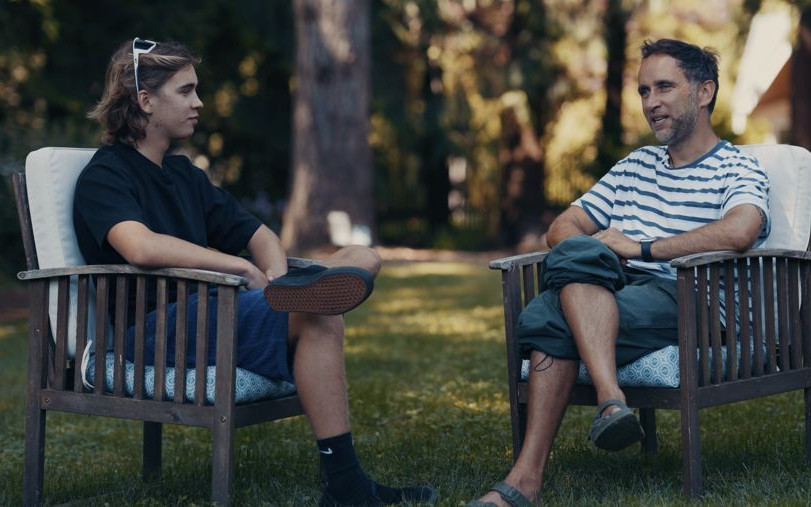
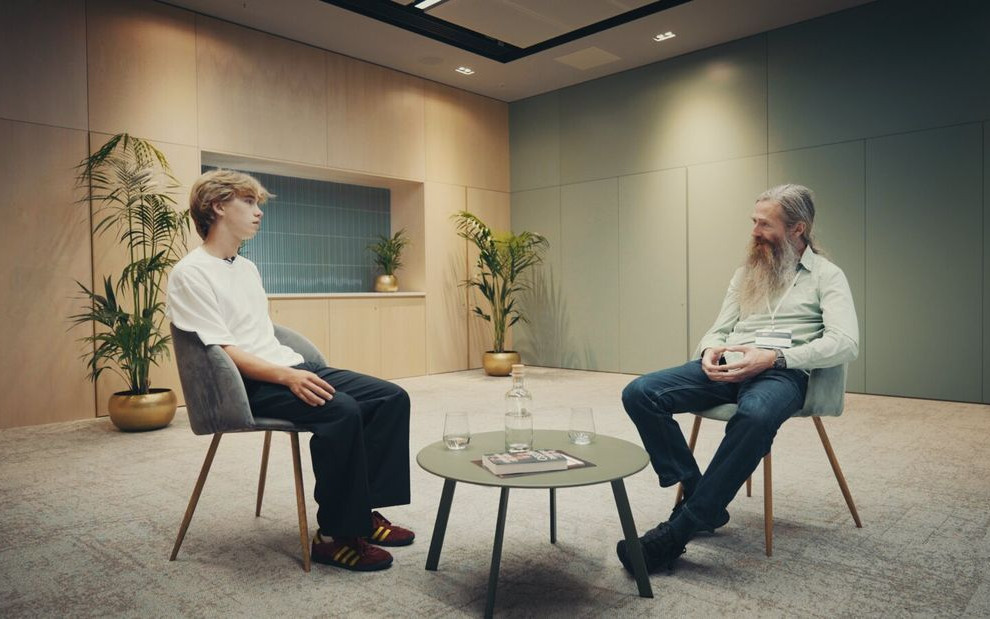
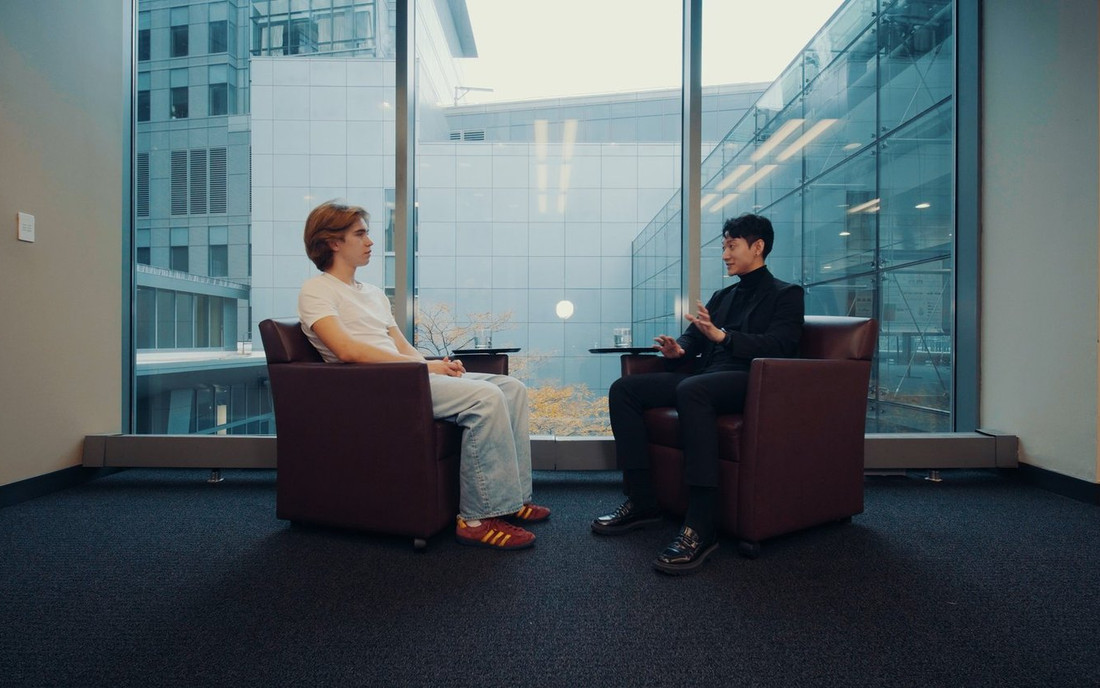
We began at Longevity Summit Dublin in August 2023. It was the first conference either of us had ever walked into and we arrived with more equipment than experience. Aubrey de Grey’s foundation gave us a room to film in. Within a day my 17-year-old son was sitting across a table from Steve Horvath, who invented the epigenetic clocks.

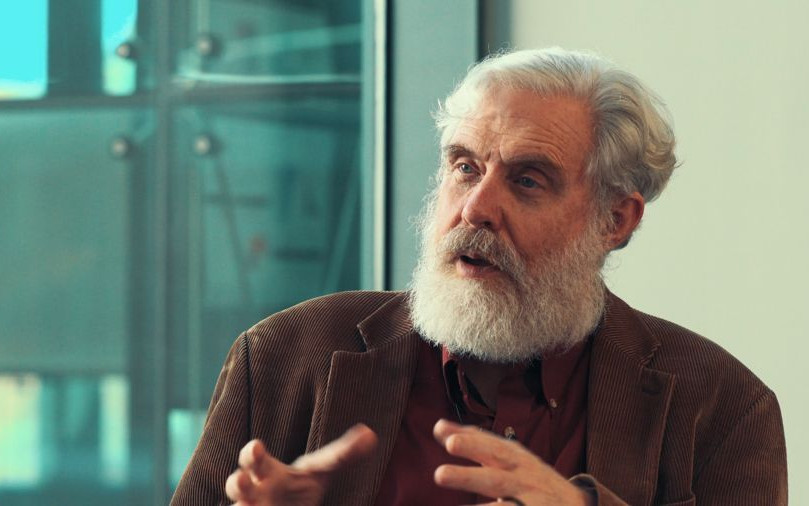
After that it did not stop. Brian Kennedy’s laboratory at the National University of Singapore. The robotic AI lab at Insilico in Shanghai. The Buck Institute in California with Eric Verdin, and David Furman’s time machine, which ages a cell five years in a day. The Human Longevity Institute in San Diego — MRI, CT, DEXA and fifteen vials of blood, and then the part nobody films, which is sitting with the results. A week living in Liz Parrish’s house in Seattle with the first person ever to take a gene therapy for ageing, and Matt Kaeberlein an hour down the road giving us the sober counterweight. And finally, after a year of asking, George Church at Harvard.

What I did not expect was how ordinary the front of the field feels from the inside. Nobody there talks about immortality. They talk about mechanisms, about funding, about the 20 years it takes to prove anything — and about how much of what already works is sitting on a shelf, unused.

The science is further along than the public thinks, and slower than the headlines promise. Both of those are worth knowing.

The Buck Institute, California
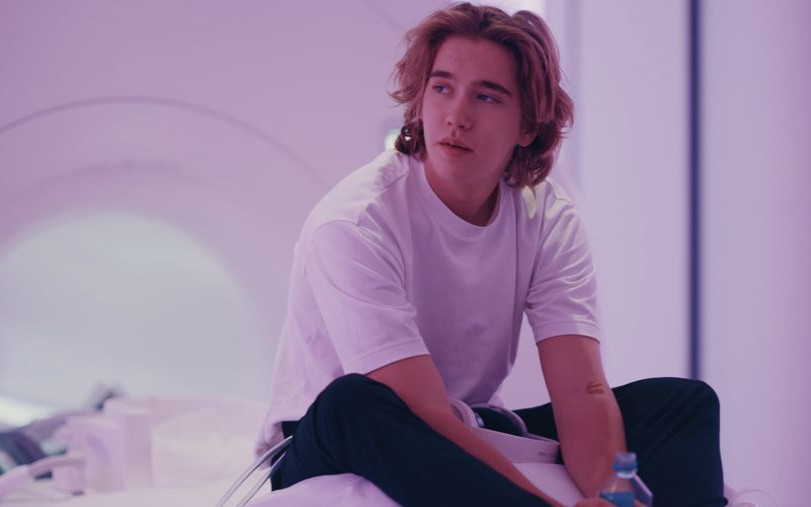
Alek's MRI at Human Longevity, San Francisco
Alek’s MRI at Human Longevity, San Francisco
The robotic AI lab, Shanghai
George Church at Harvard
Two of six · the healers

The other half of the map — and the half nobody expects.

A longevity film is supposed to be laboratories. Ours is not, because the map I drew on that napkin had healers on it from the beginning, and leaving them off would have been dishonest about what actually keeps people well.

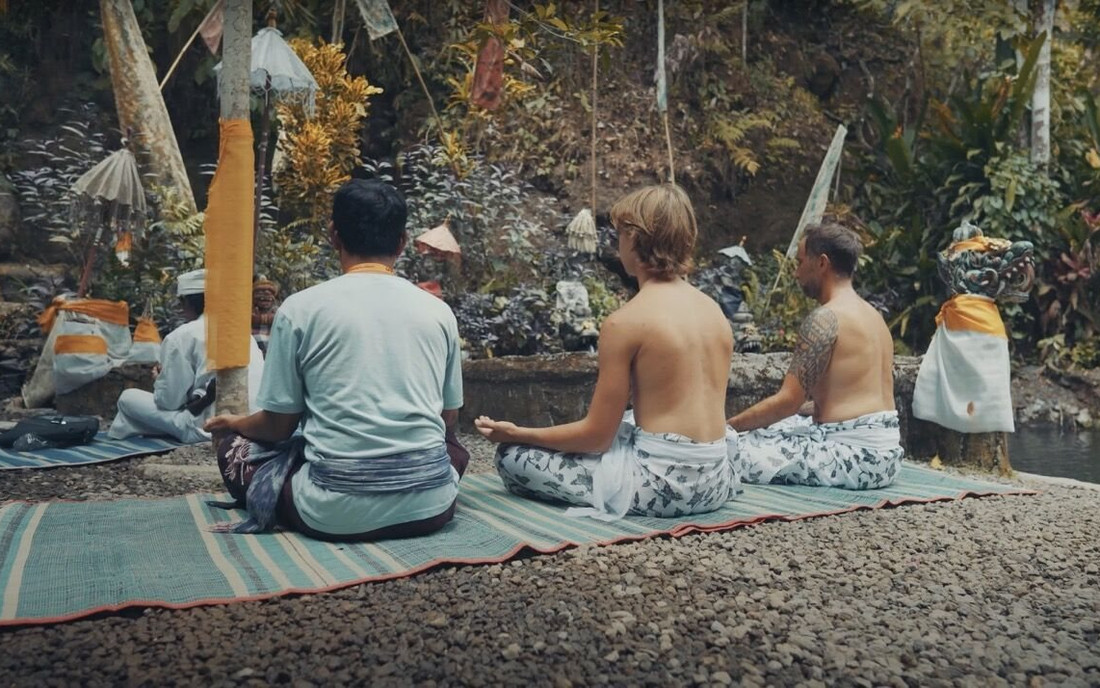
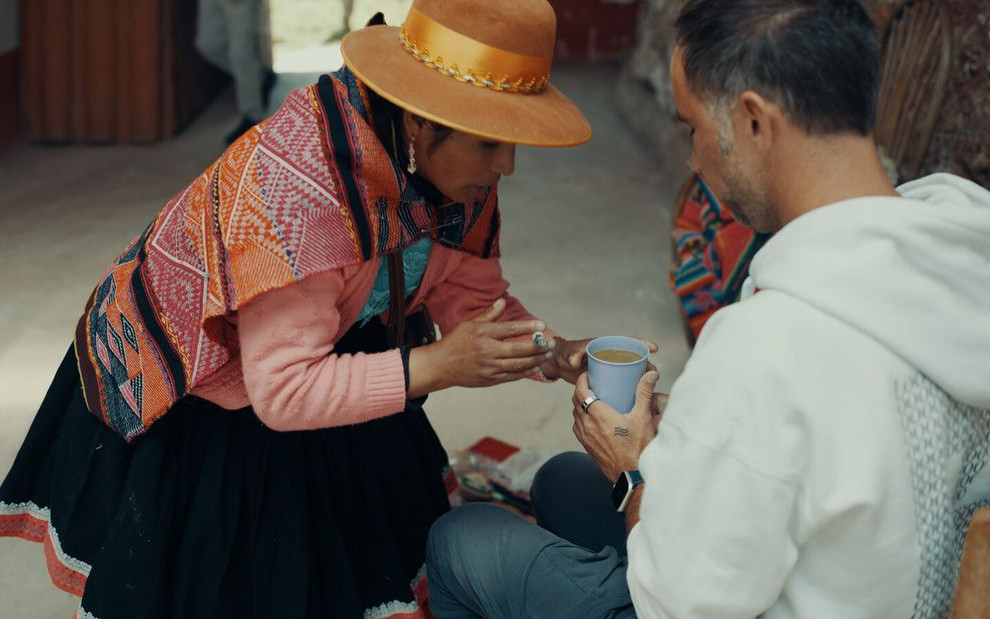
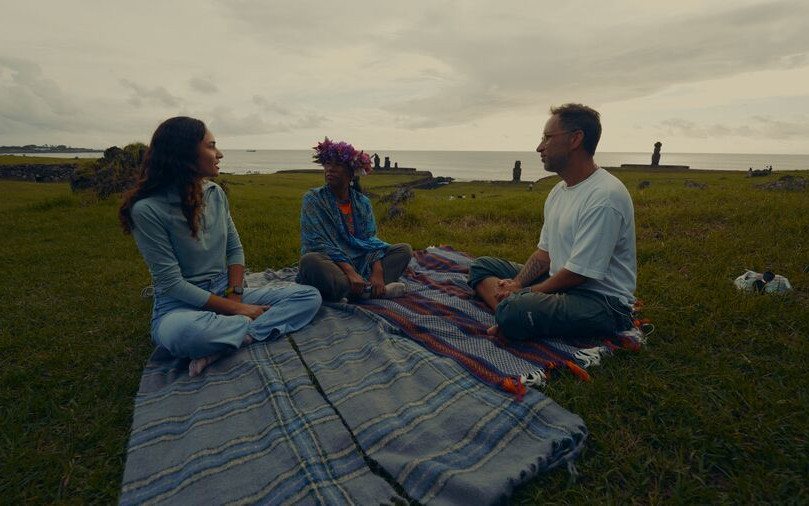
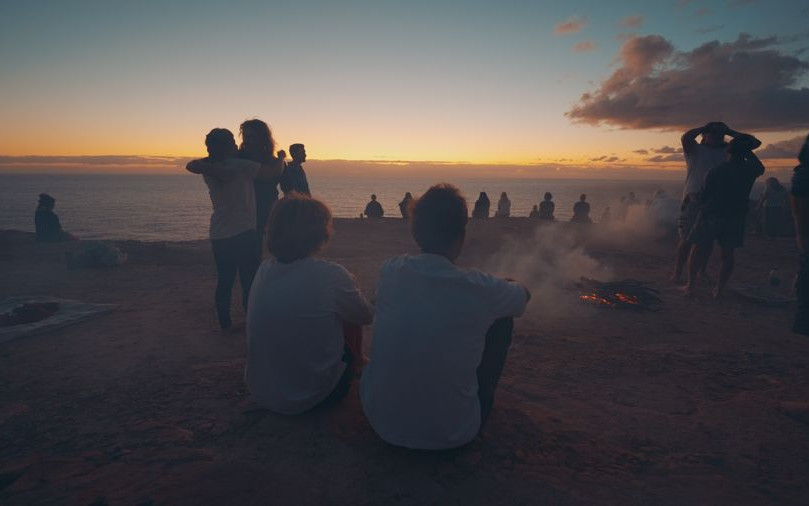
In Ubud we spent long days at Master Ketut Arsana’s ashram, talking about purpose, about yoga, and about why the way a person lives is not a separate question from how long they last. A priest called Monku took us into a water temple in the jungle. In Peru, on the way to Machu Picchu, Maestra Lucia opened a different kind of door. On Rapa Nui we sat with Hapa above the coast. In New South Wales we watched the sun come up at an Aboriginal ceremony and talked with elders about belonging to a place. In Formentera, at the very end of the year, it was healers who helped us close the harder chapters of it.

None of this competes with the laboratories. It sits beside them. Several of the scientists we filmed arrived at the same place from the other direction: the thing most likely to add years to your life is not a molecule. It is whether you have a reason to get up and people to get up for.

The traditions have been running the experiment for a thousand years. It seemed rude not to ask what they found.

The water temple, Bali
Maestra Lucia, the Andean healer
Hapa, the Rapa Nui healer, above the coast
The sunrise Aboriginal ceremony, New South Wales
Three of six · the biohackers

The people who try it on themselves first.

Between the laboratory and the clinic there is a third group, and the field would be poorer without them. They run ahead of the evidence, on their own bodies, and then tell everybody what happened.

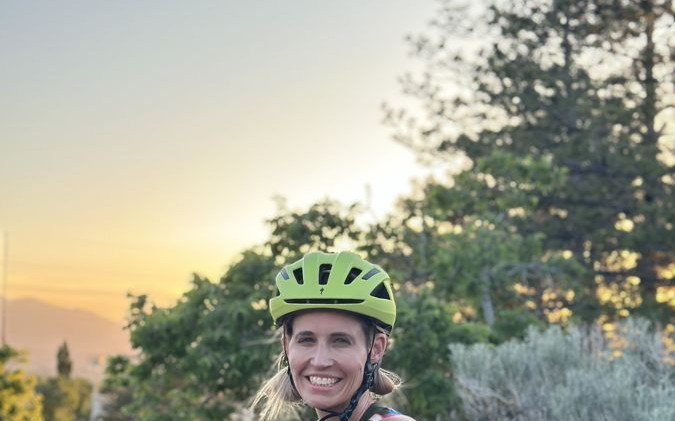
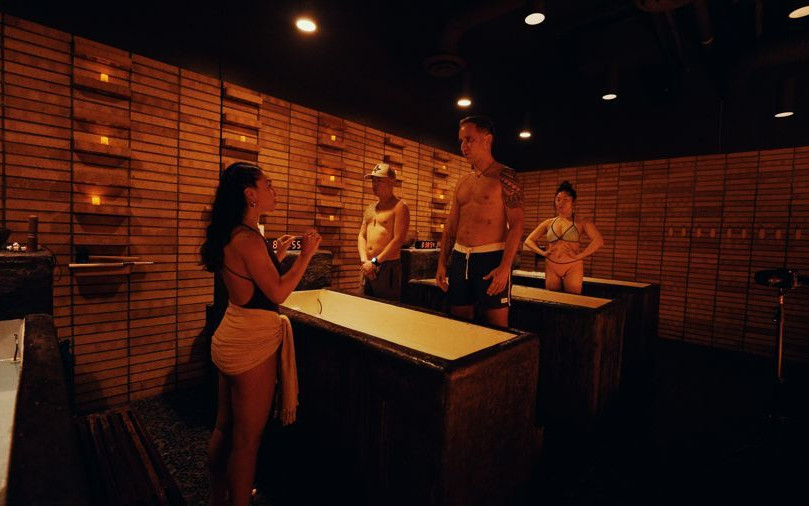
Our first clinical day of the whole year was in Kuala Lumpur, where Alek watched his father on a table with a cannula in his arm and said, on camera, that he thought it was a big thing his father was doing. In Salt Lake City we spent a weekend with Amy Killen — a doctor and stem-cell specialist who calls herself a bio-slacker, on the grounds that you do not have to do all of it perfectly. In Toronto, filming alone by then, I found a whole community: Ron Batuigas, who has been plunging into frozen lakes since the pandemic and plays chess in the ice; Gary LeBlanc, who calls himself a longevity engineer; Brendan Coates, the gut whisperer; and the long swing between sauna and cold water at Othership.

We tested ourselves in Malaysia, Thailand, Singapore, California and Poland. Genes, microbiome, VO₂ max, cognition, a whole-body scan. Some of it changed what we do every day. The value of the biohackers is not that they are always right — it is that they are willing to be measured.

Somebody has to go first. It is worth remembering that the people who do are volunteering.

The first clinic of the year, Kuala Lumpur
Amy Killen on the mountain-bike trail, Utah
The cold plunge at Othership, Toronto
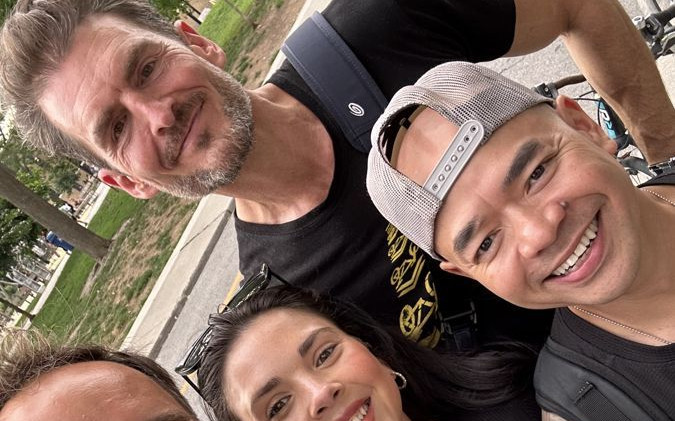
With Ron Batuigas and Gary LeBlanc, Toronto
Four of six · the cultures

Okinawa, Sardinia, and the places that already knew.

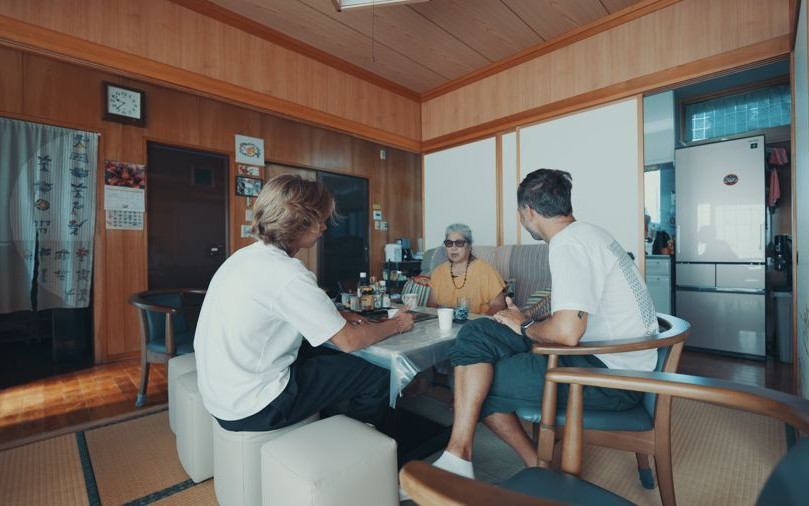
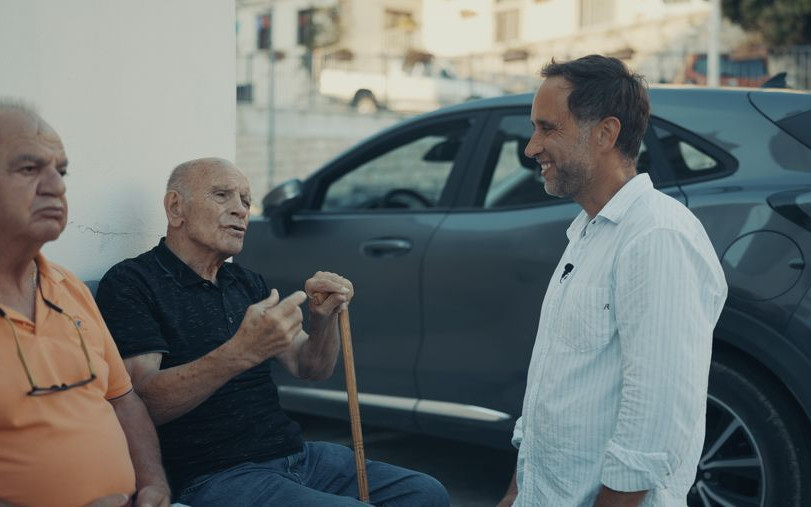
We planned a week in Japan and stayed a month. In Ogimi, a village at the north end of Okinawa, we sat with people over a hundred years old and with Eiko, the woman who grows and cooks what they eat. Nobody there uses the word longevity. They have a purpose, a garden, a group of friends they have had for sixty years, and they stop eating before they are full.

A year later, in the mountain villages of Sardinia, we heard a version of the same thing in another language. In between: a first Thanksgiving with expats in Hong Kong, Kyoto walked with Tina Woods, a synagogue in Shanghai we were invited into by Evelyne Bischof, Little Havana and a graffiti wall in Wynwood, and an Easter egg hunt in California that mattered more to my son that week than any interview in it.

The Blue Zones are not a secret and they are not a supplement. They are what happens when a place is built so that the healthy thing is also the easy thing. Which is the argument of this entire project: the culture decides, and a culture can be changed.

Every long-lived place we went to had solved the same problem. None of them solved it with a product.

Eiko with Marek and Alek in Ogimi, Okinawa
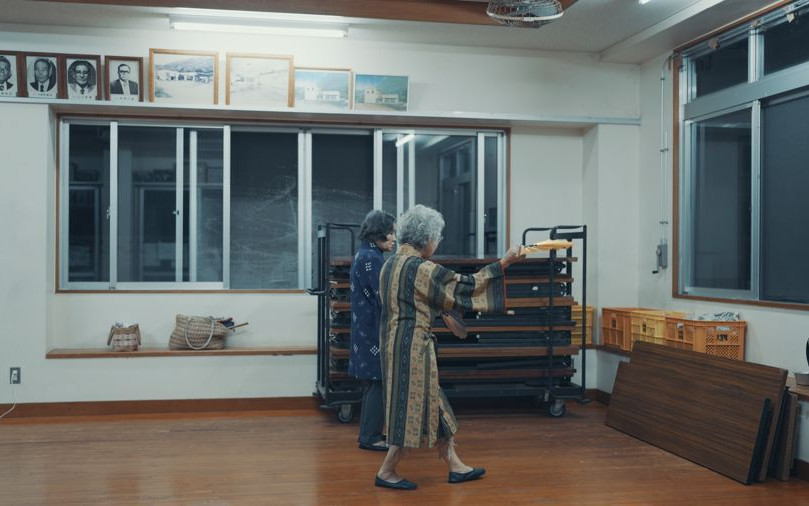
The centenarians dancing, Okinawa
With the centenarians of Sardinia
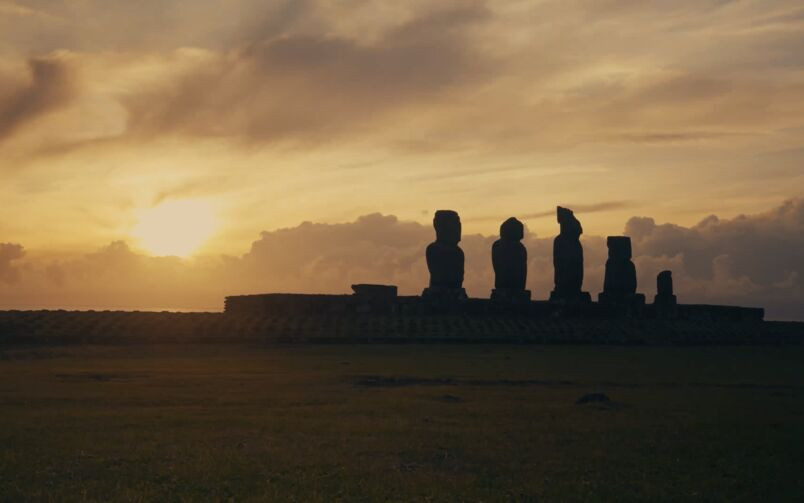
Moai against the sunset, Rapa Nui
Five of six · the nature

And the reason any of it is worth doing.

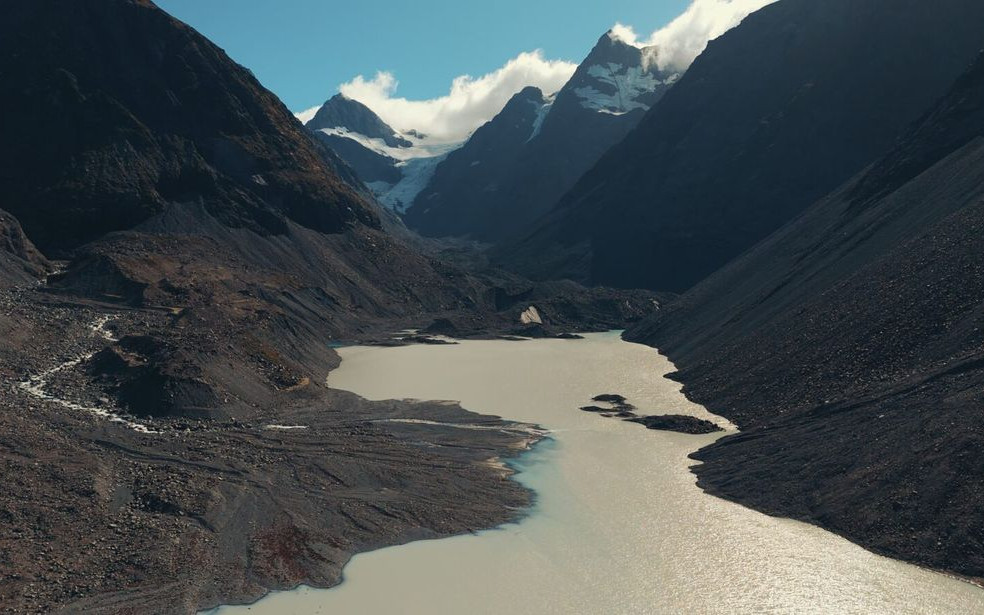
New Zealand was the most beautiful place of the whole year. A week living out of a car, a helicopter over the glaciers flown by a father-and-daughter team, a cold plunge in a lake fed by ice. In Rotorua, Tama tattooed koru on my arm: rebirth, growth, and a father-and-son journey that does not end.

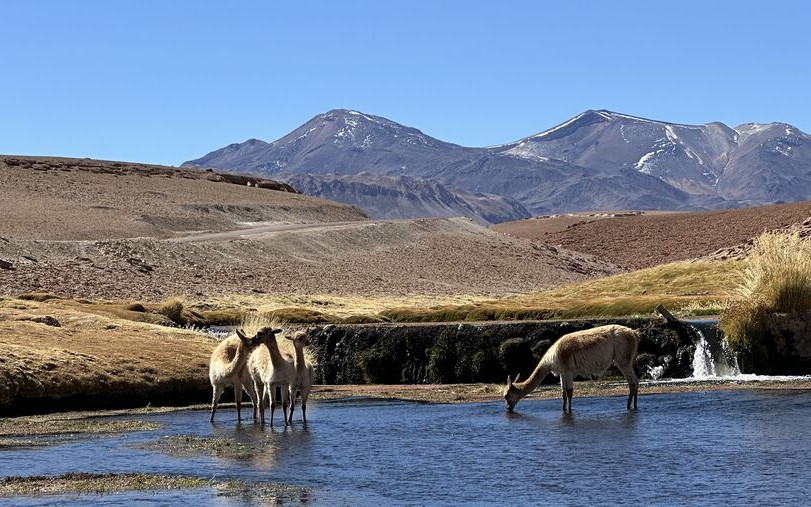
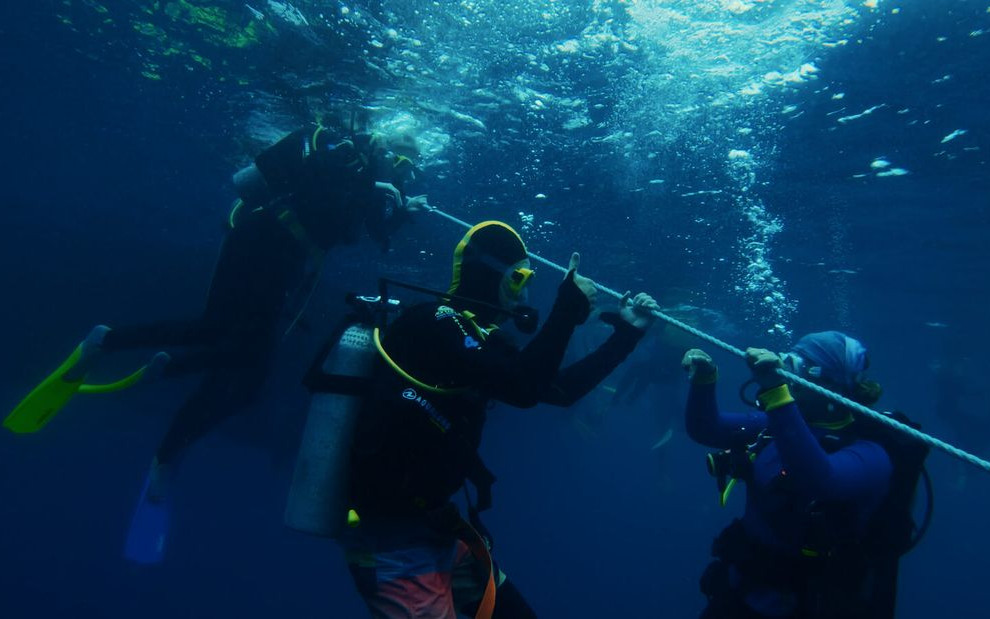
Then the Altiplano — lagoons, flamingos and lunar valleys. Horseshoe Bend and the canyons in the same week we walked between the cryopreservation tanks at Alcor in Arizona, which is technology answered by geology, in that order. Snow in the sequoias. The Great Barrier Reef, where Alek dived for the first time in his life and got past being afraid of it. Rapa Nui, where for four days my heart was somewhere near my throat.

Somewhere in the middle of the year we both noticed that we had started living in a more or less permanent state of awe. That is not decoration on a longevity page. Awe, gratitude and a reason to be here are on the Map for the same reason sleep and strength training are.

Nobody wants 120 years of being careful. They want 120 years and more of this.

A glacier lake, New Zealand
A lagoon in the Altiplano, Chile
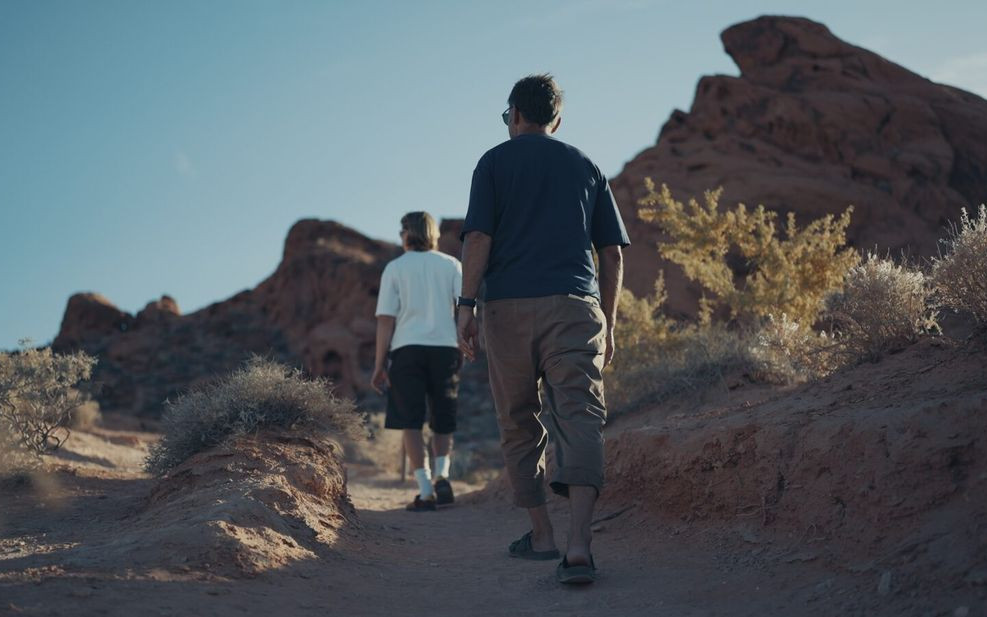
Marek and Alek on the red rocks, Arizona
Alek diving the Great Barrier Reef
Six of six · father and son

The strand we did not plan for.

Everything above is what we went to find. This is the thing that found us.

We spent a year in one room and often in one bed, because a king-size was cheaper than a twin. There is no privacy in that and nowhere to put anything you would rather not show. I left home believing I was taking my son to see the world. I came back having been taught something by him that I had not managed to learn in the whole of my life before it: that when two people love each other and want the best for each other, most of what goes wrong between them does not need a conversation. It needs fifteen minutes.

In March, in Malaysia, he told me he wanted a bigger part in it. From that day it stopped being my quest with my son along and became ours — his camera, his questions, his edit. The scientists noticed before I did. They kept opening their houses to us, and I am fairly sure it is because we arrived as a family rather than as a crew. If I had gone alone I would have been a journalist. Two of us made it a story people wanted to be in.

In Costa Rica, at the end of the father-and-son leg, we said goodbye at an airport and both of us cried.

I went to show him the world. He is the one who taught me how to let a bad hour go.

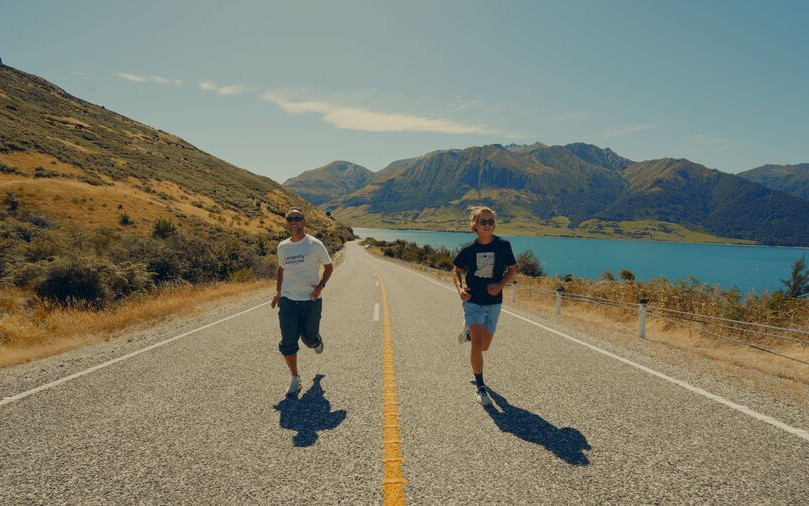
Running the open road, New Zealand
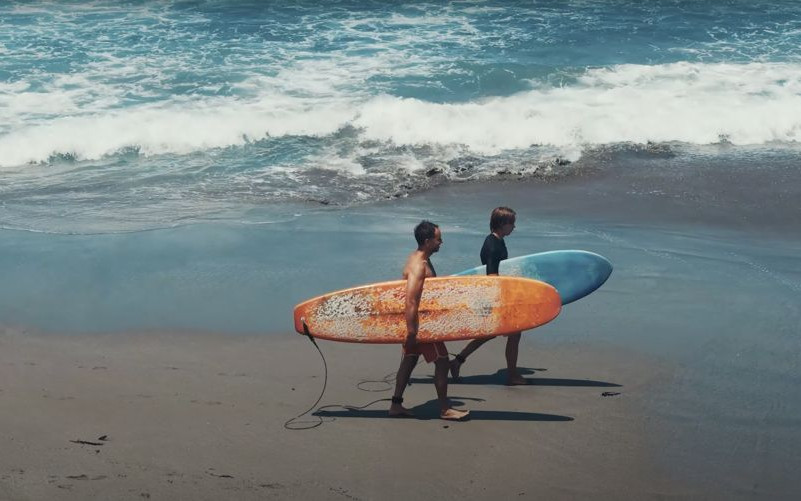
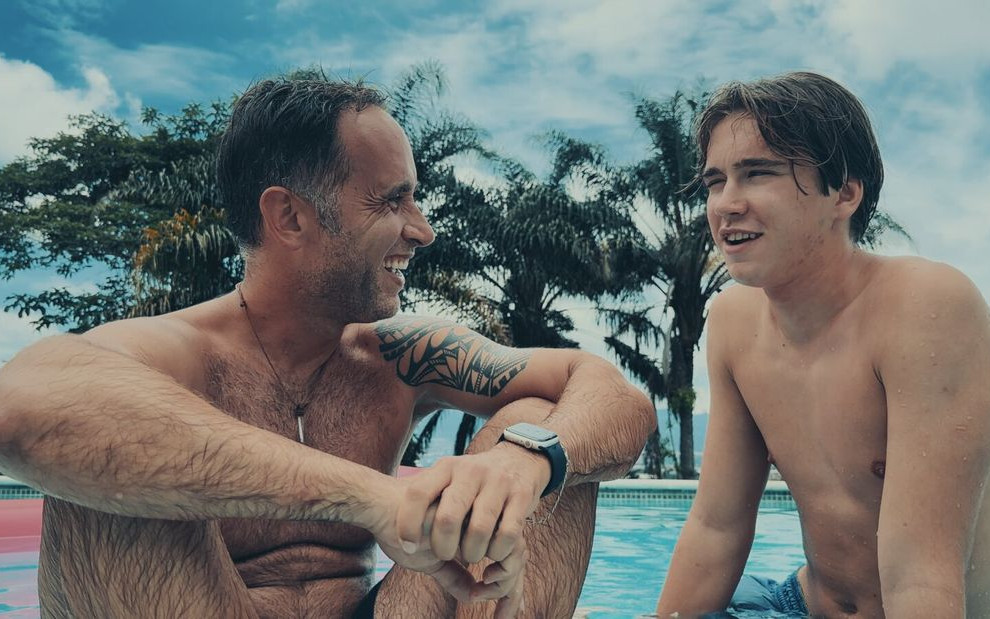
Walking the beach with the boards, Bali
In the garden, Seattle
Costa Rica, before the farewell
The rite of passage

My son was 17 when we left. He spoke on some of the world’s biggest stages at 18, and he narrates the film at 19.

Alek turned 18 on the road, at Christmas, in Thailand, between an island and a longevity clinic. There was no ceremony. There rarely is.

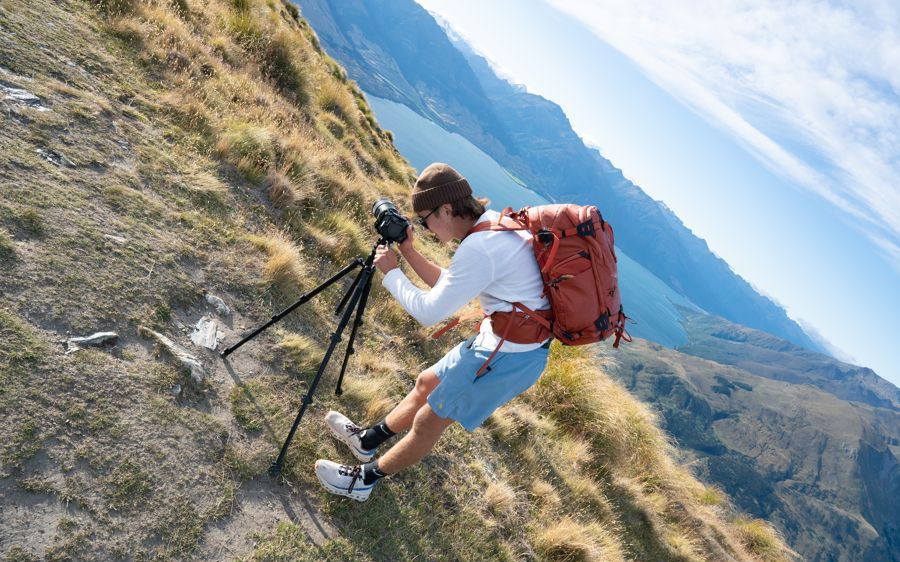
He did not want to be in front of a camera when we set out, and I do not think he much wanted to be behind one either. So I gave him the job outright: he would be the main videographer, not me. He learned it off tutorials, in hotel rooms, between stops, and he was already good by Hong Kong. By the end of the year he was better with a camera than I will ever be, and a better photographer than either of us had expected. I would like to publish his pictures in a book one day.

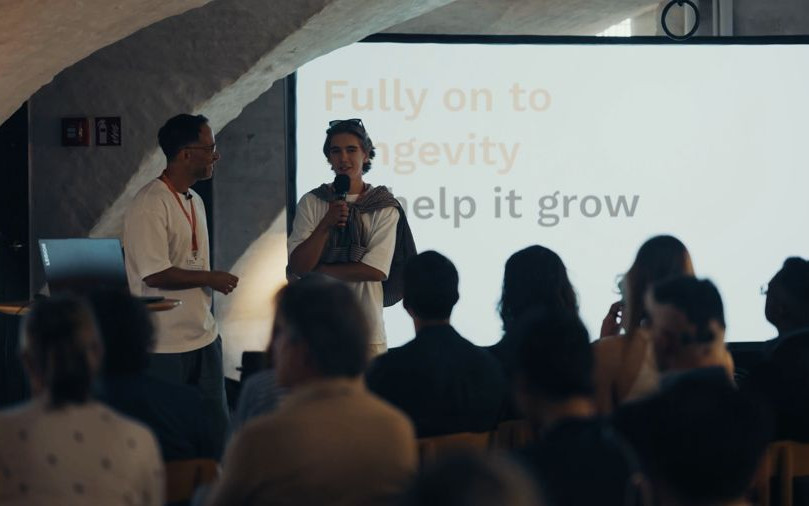
Then came the stages. Shanghai, December 2023, the TimePie conference: he came up with me and said a couple of minutes’ worth about who he was and what we were doing. When my talk finished, the queue that formed was not for me. It was for him. Something changed in that room and it never changed back. Singapore, February 2024, the National University: a full house and thousands more watching online, and my son telling them for five minutes what we were doing and why. Copenhagen in August, at 18, on the ARDD stage beside me for the whole session. Warsaw in September, his first national television interview, and he was better at it than I was.

He is 19 now, studying in Amsterdam, living his own life, and it is his voice that carries the film. If you want to know what a rite of passage looks like when nobody holds a ceremony for it: it is a boy who did not want to be filmed in August deciding, by December, that he had something to say.

Three words for who he is now. Courage. Inspiration. Love.

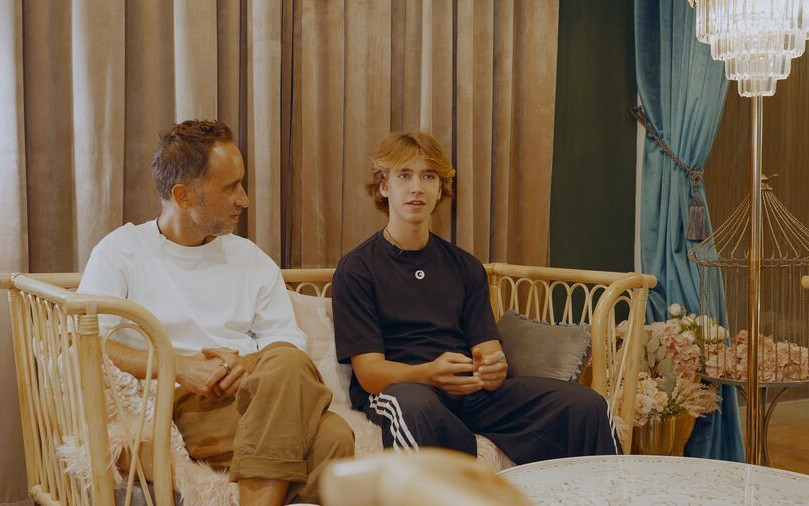
Alek with Aubrey de Grey, his first conference
Alek setting up on a mountain peak, New Zealand
Alek interviewing at Harvard
Alek on the mic at ARDD, Copenhagen
What came out of it

A film, a book, and a map of the whole field.

500 hours of footage, 165 interviews and one year became three things: a documentary, a guide to playing the longevity game, and the Map that started as a drawing on a napkin and came home filled in.

Three doors into the Live Beyond Hub

The rest of it lives in the Live Beyond Hub.

This page is my side of it. The Live Beyond Hub is where the whole thing lives — the Map, the experts, the route, and everybody else who decides to play. It opens in September, and these three doors open with it.

Explore the Map with us

Go to the Live Beyond Hub and walk the whole Longevity Map with us — level by level and chapter by chapter, the science under each one and the people who guide it. It is the thing I drew on a napkin before we left, filled in by 100 experts along the way.

Opening in September

Everything we brought back

A page for every expert we filmed: who they are, where we met them and what they actually said, in their own words. The essays. The Longevity Game. And the people already playing it, which is the part I am most looking forward to.

Opening in September

Walk the route with us

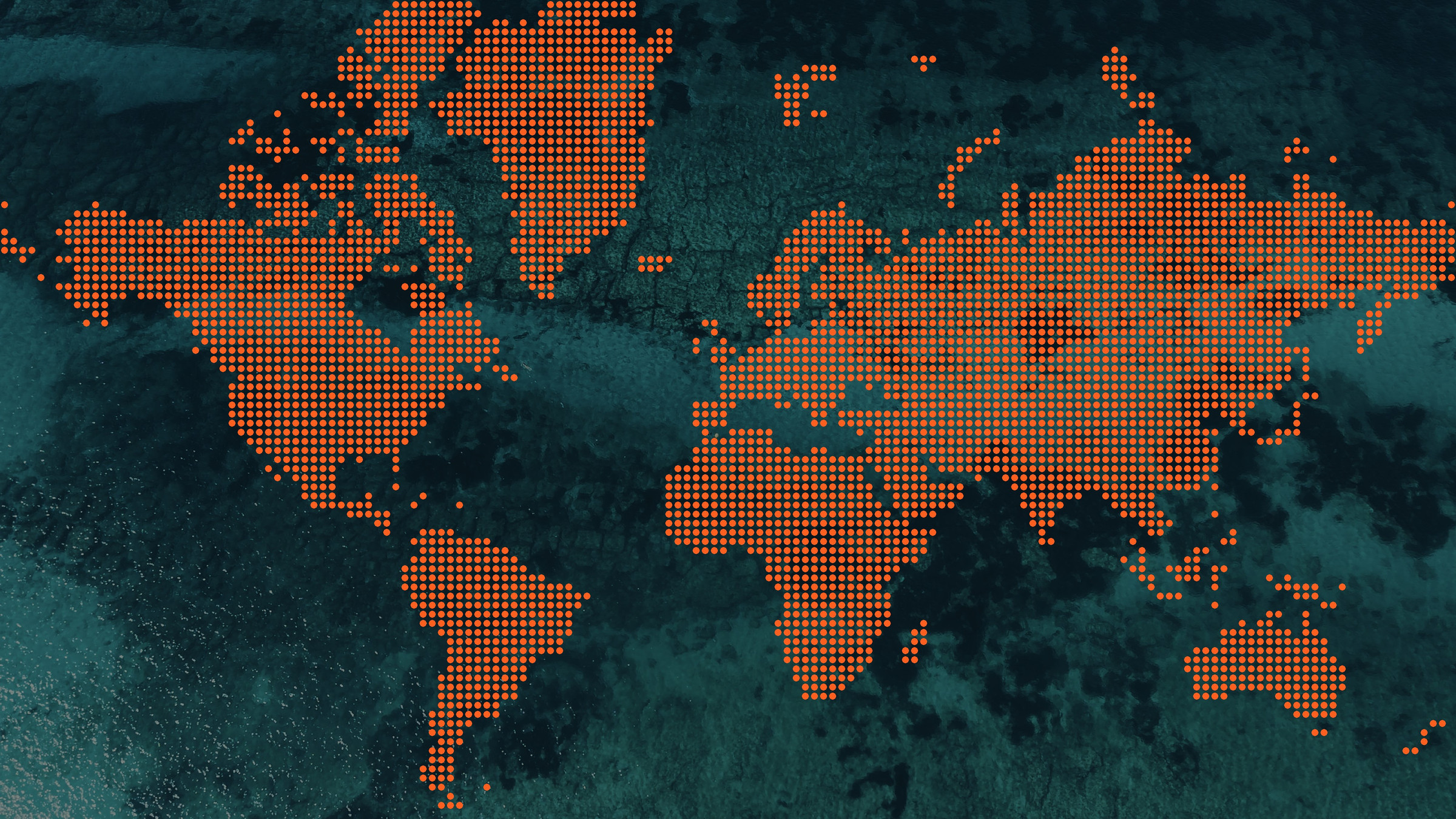
Every country and every state we went to, on one map you can move through — stop by stop and month by month, with the whole photographic record behind each one. The picture at the top of this page indexes it. This one lets you walk it.

Opening in September

Nothing here is a dead link. When the Hub opens, each of these becomes a real one.

The Longevity Map

Get the Map. It is free, and it is the whole field on one page.

The Longevity Map will guide you to a longer, healthier and more fulfilling life. It gives you a helicopter view on all branches of the longevity field.