
24 processes that decide how you age.
Every one of them gets three things: what the science says, the same thing in plain words, and what is actually known to help. Each also carries the level of the Longevity Map where you first meet it, so the glossary and the Map are one system rather than two lists.
I wrote the first version of this in 2023. It has been rewritten from the ground up — the doses are gone, and where the evidence has weakened since, it now says so.
These processes are how the hallmarks of ageing work.
Autophagy, senescence, telomeres and the rest are not a loose collection. Twelve of them are the recognised hallmarks of ageing — the points in the machinery where ageing can actually be reached. This page explains each process; that one puts them in order.
Jump straight to the one you came for.
- 01Autophagy
- 02Hormesis
- 03mTOR and its suppression
- 04AMPK
- 05Sirtuins
- 06Mitochondria
- 07Caloric restriction and fasting
- 08Telomeres
- 09Chronic inflammation
- 10Oxidative stress
- 11Epigenetics
- 12Cellular senescence
- 13Insulin sensitivity
- 14Proteostasis
- 15DNA repair
- 16Sarcopenia
- 17Stem cell exhaustion
- 18The gut microbiome
- 19Biological age and the epigenetic clocks
- 20Partial epigenetic reprogramming
- 21Klotho
- 22Stress, cortisol and the alarm that never switches off
- 23Follistatin
- 24Hyperbaric oxygen therapy
01
Autophagy
On the Map · 01 Longevity Basics
The cell breaking down and recycling its own damaged parts, so the material can be reused. It is one of the few repair systems we can reliably switch on from the outside.
Your body’s clean-up crew. It takes old, broken cell parts, breaks them down, and uses the pieces to build new ones. When it slows, the debris accumulates, and that accumulation is a big part of what ageing looks like from the inside.
Going without food for a stretch is the strongest everyday lever — time-restricted eating or a longer fast. Hard exercise does it too. Coffee, green tea and olive oil each nudge it. Rapamycin is the most convincing pharmacological route and remains a prescription drug under study.
02
Hormesis
On the Map · 01 Longevity Basics
A small, survivable stress that leaves the system stronger than it found it. The dose is the whole point: the same input in larger amounts does damage.
Give the body a small challenge and it over-repairs. That is why training, heat, cold and fasting all work by the same logic — you are not avoiding stress, you are choosing the right size of it.
Exercise, sauna, cold exposure, fasting. Sauna has the strongest population data behind it. Cold has become fashionable well ahead of its evidence — it feels excellent and the long-term claims are thinner than the enthusiasm suggests.
03
mTOR and its suppression
On the Map · 02 Biohacking Upgrades
mTOR is the switch that tells a cell to grow rather than repair. Turning it down periodically shifts cells into maintenance, which in animals extends life.
A manager that decides whether the cell builds or cleans. Left on permanently you get growth without maintenance. The goal is not to switch it off — you need it to build muscle — but to stop it running all day.
Periods without food and without constant protein. This one has a real tension in it: the same signal that drives ageing also builds the muscle that keeps you alive after seventy. Most people over fifty need more protein, not less, and the cycling matters more than the average.
04
AMPK
On the Map · 01 Longevity Basics
The enzyme that senses low cellular energy and switches the cell from storing to repairing.
A fuel gauge that, when it reads low, tells the cell to tidy up and burn what it has rather than store more.
Exercise is the most reliable activator anyone has found. Metformin and berberine act here too; metformin’s longevity effect in healthy people is still being tested, and the large TAME trial that would settle it has not yet reported.
05
Sirtuins
On the Map · 02 Biohacking Upgrades
A family of proteins involved in DNA repair, inflammation and metabolic control, dependent on NAD+ to work.
A repair crew that only clocks in if there is enough of a particular fuel around. Much of the last decade of longevity supplements has been an attempt to top up that fuel.
This is where the story has changed most since 2023. NAD+ precursors reliably raise NAD+ in blood; what they have not yet shown is that this makes healthy people live longer or better. Treat the supplement claims with more caution than the 2023 version of this page did. Exercise and sleep remain the unglamorous route.
06
Mitochondria
On the Map · 01 Longevity Basics
The organelles that make cellular energy. Both how many you have and how well they work decline with age, and both respond to training.
Your power plants. More of them, working better, is most of what people mean when they say they feel energetic. It is one of the most trainable things about you.
Zone 2 endurance work builds new ones; high-intensity intervals improve the ones you have. Doing both beats doing either. Supplement evidence here is modest next to the training effect.
07
Caloric restriction and fasting
On the Map · 01 Longevity Basics
Reducing energy intake without malnutrition. It extends life across many species; in humans the evidence is for metabolic health rather than lifespan.
Eating less, but not eating badly. The body shifts from processing a constant surplus to maintaining itself.
For most people, time-restricted eating and the occasional fasting-mimicking cycle capture most of the benefit without the cost. Sustained severe restriction carries real risks — muscle and bone loss especially — and is a poor trade after sixty.
08
Telomeres
On the Map · 03 Radical Life Extension
Protective caps on the ends of chromosomes that shorten each time a cell divides. Very short telomeres stop a cell dividing.
The plastic tips on a shoelace. When they fray past a point, the cell retires.
Length is mostly inherited, and lengthening it on purpose is not something to chase — the same machinery is what cancers exploit. What is well supported: sleep, exercise, not smoking, and lower chronic stress track with slower shortening. Be sceptical of anything sold as a telomere lengthener.
09
Chronic inflammation
On the Map · 01 Longevity Basics
Low-grade immune activation that persists without an infection to fight. It is implicated in nearly every age-related disease, and the field now calls it inflammaging.
A fire that never quite goes out. You do not feel it day to day, which is exactly why it does so much damage over decades.
Sleep, weight, muscle, oral health, and treating the obvious sources. Omega-3s have decent evidence. This is also one of the few processes where a simple blood test — high-sensitivity CRP — tells you something useful and cheap.
10
Oxidative stress
On the Map · 01 Longevity Basics
An imbalance between reactive oxygen species and the body’s ability to neutralise them.
Rust, roughly. Some is normal and even necessary; too much damages what it touches.
The lesson of the last twenty years is that blanket antioxidant supplementation does not help and can blunt the benefits of exercise. Eat the colourful plants, train, sleep, avoid the obvious insults. Do not megadose vitamins to fix this.
11
Epigenetics
On the Map · 03 Radical Life Extension
Chemical marks that decide which genes are read, without changing the DNA underneath. The pattern of those marks tracks age closely enough to estimate it.
Switches on top of your genes. The sequence is fixed; which parts are switched on is not, and that is where lifestyle actually reaches your biology.
Epigenetic age tests have become widely available and remain noisy — useful as a trend over years, not as a single reading. Partial reprogramming, which resets these marks, is the most exciting thing in the field and is not yet a human therapy.
12
Cellular senescence
On the Map · 02 Biohacking Upgrades
Cells that stop dividing but refuse to die, and secrete inflammatory signals that damage their neighbours. The field calls them zombie cells.
Cells that retired but stayed in the building, complaining loudly enough to make everyone else worse at their jobs.
Clearing them extends healthy life in mice, which is why senolytics attracted so much attention. Human trials so far have been small and the results mixed. This is a genuinely promising area that is not yet a thing you should be dosing yourself for.
13
Insulin sensitivity
On the Map · 01 Longevity Basics
How readily your cells respond to insulin and take up glucose. Losing it precedes type 2 diabetes by many years and quietly worsens almost everything else.
How well your body handles what you eat. When it slips, blood sugar stays high for longer after every meal, and the damage is cumulative.
Muscle is the largest glucose sink you own, so resistance training matters as much as diet. Walking after meals works. A continuous glucose monitor worn for a few weeks is one of the few pieces of consumer tech that reliably changes behaviour, because you see your own response rather than a general rule.
14
Proteostasis
On the Map · 02 Biohacking Upgrades
The system that keeps proteins correctly made, correctly folded and correctly disposed of. Its failure underlies several neurodegenerative diseases.
Quality control for proteins. When it fails, misfolded proteins accumulate, and where they accumulate determines the disease.
Sleep, because clearance in the brain runs hardest then. Exercise. Enough protein, spread through the day rather than in one sitting. Heat exposure switches on the chaperone proteins that do this work.
15
DNA repair
On the Map · 03 Radical Life Extension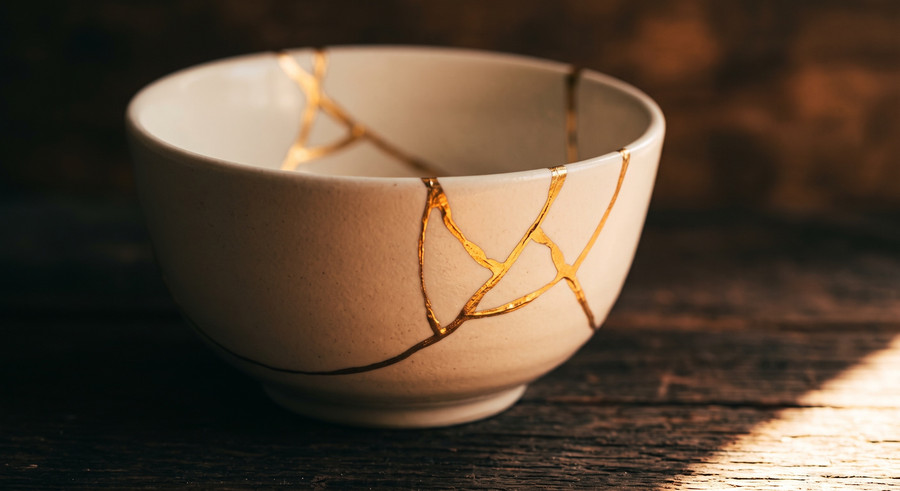
The set of mechanisms that fix the thousands of DNA lesions each cell accumulates every day. Repair capacity declines with age; unrepaired damage drives both cancer and ageing.
A maintenance crew working constantly on damage you never notice. Ageing is partly the crew getting slower than the damage.
Reduce the load rather than chase the repair: sun sensibly, do not smoke, keep alcohol modest, sleep. The single most useful thing here is not a supplement but screening — finding what went wrong early, which is the whole point of the Bridge of Prevention.
16
Sarcopenia
On the Map · 01 Longevity Basics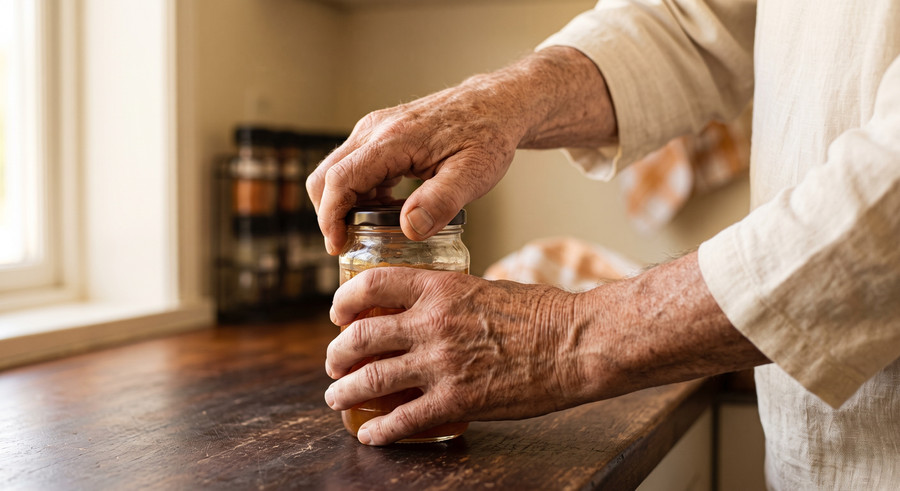
The loss of skeletal muscle mass and strength with age. Strength declines faster than mass, and both accelerate after fifty.
Muscle quietly leaving. It starts in your thirties, and almost nobody notices until it costs them something — a fall, a stair, an independence.
This is the one on this list with the least ambiguity and the most leverage. Resistance training at least twice a week, enough protein, and vitamin D if you are low. Grip strength and how fast you can stand up from a chair predict how the rest of your life goes better than most blood tests.
17
Stem cell exhaustion
On the Map · 03 Radical Life Extension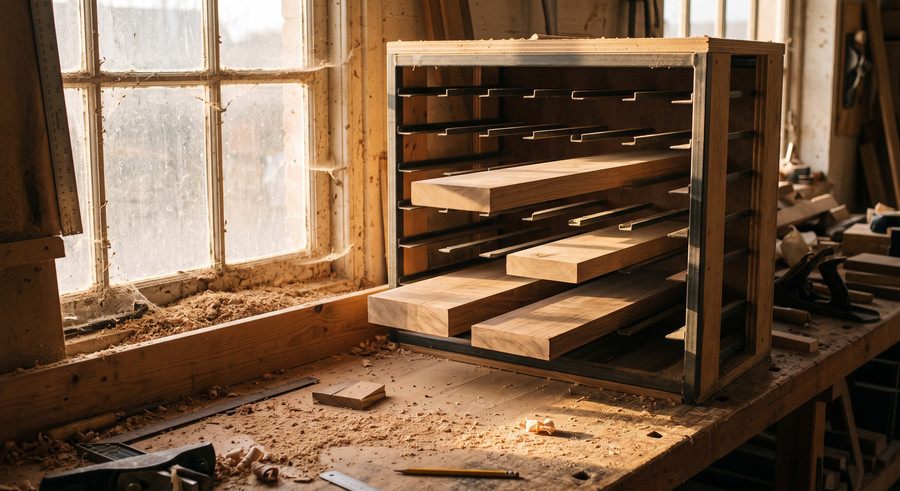
Every tissue keeps a small reserve of unspecialised cells that divide to replace what wears out. With age the reserve shrinks, and the cells left in it divide less readily and less accurately. It is one of the twelve hallmarks of ageing, and it sits downstream of most of the others — senescence, DNA damage and chronic inflammation all wear the reserve down.
A workshop keeps a rack of good blank timber for repairs. Every year the rack holds a little less, and what is left is harder to work. Nothing looks wrong until something needs mending.
Nothing yet reliably rebuilds a reserve in a human. Protecting it is well established: resistance training keeps the satellite cells in muscle active, sleep and control of chronic inflammation reduce the drain. Stem cell transplants are standard care in a few blood cancers and are not an anti-ageing treatment — clinics selling infusions for ageing are selling ahead of the evidence, and some of what they sell is dangerous.
18
The gut microbiome
On the Map · 01 Longevity Basics
The trillions of bacteria living mostly in the large intestine, and the genes they bring with them. They finish digestion, make the short-chain fatty acids that feed the gut lining, train the immune system and set the level of inflammation everywhere else. Diversity falls with age, and the loss tracks frailty closely enough that it was added to the hallmarks of ageing in 2023.
A garden you did not plant and cannot see, which feeds you back. While it is varied it looks after the wall between your gut and your blood. When it thins, that wall leaks a little, and the immune system spends its life mildly annoyed.
Plant variety is the strongest and dullest answer — the number of different plants in a week beats any supplement in the data there is. Fermented foods raised diversity and lowered inflammatory markers in a controlled Stanford trial. Fibre feeds what is already there. Probiotic capsules are far weaker than their marketing; most strains pass straight through. Antibiotics cost diversity for months, which is a reason to need them rather than to want them.
19
Biological age and the epigenetic clocks
On the Map · 02 Biohacking Upgrades
Chronological age is how long you have been alive. Biological age is an estimate of how worn the body is, read from the pattern of methyl marks on DNA. Steve Horvath built the first clock that worked across tissues in 2013; the later ones predict disease and death better than the first generation did, and one of them measures the rate of ageing rather than the amount.
Two watches on a table. One counts birthdays and cannot be argued with. The other counts wear, and it can be running fast or slow.
The honest answer is that the clocks are better at measuring than at being moved. They respond to the things that already have hard outcome data behind them — exercise, sleep, not smoking, body composition — and a few small trials have shown a year or two of reversal. On consumer tests: the same sample sent twice can come back with different answers, so read one result as a rough position and a trend over years as the number that means something.
20
Partial epigenetic reprogramming
On the Map · 03 Radical Life Extension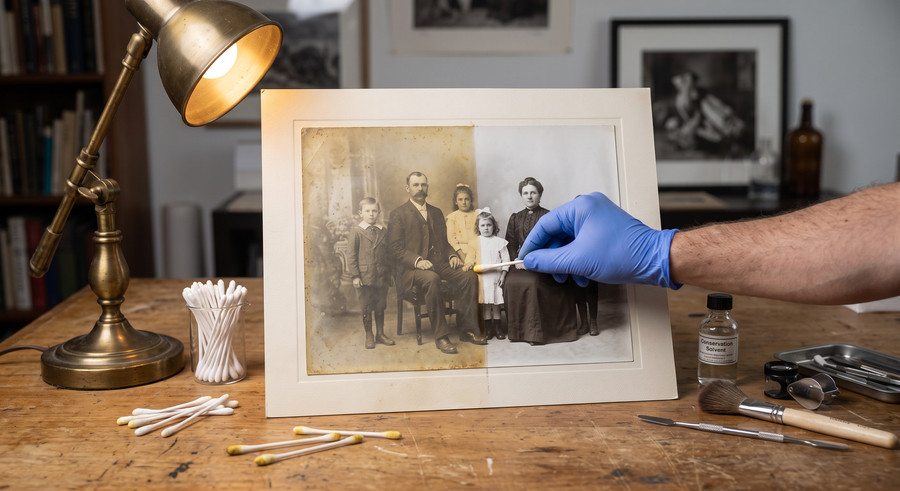
Four genes, identified by Shinya Yamanaka in 2006, can return an adult cell to an embryonic state. Switching them on briefly and then stopping appears to reset a cell’s epigenetic age without erasing what the cell is. It restored sight in the optic nerve of old mice, and extended life in mice that had been aged prematurely.
A conservator cleaning an old photograph. Go carefully and the picture comes back. Go too far and the picture comes off with the dirt.
Nothing you can do, and that is the entry. This is the frontier: it is in animals and in early company pipelines, and the risk it has to clear is cancer, because a cell that forgets what it is, is a tumour. It is on this page because it is the idea most likely to change what the rest of the page means — not because there is anything to take.
21
Klotho
On the Map · 03 Radical Life Extension
A protein named after Clotho, the Greek Fate who spun the thread of a life. Mice bred without it age rapidly and die young; mice given more of it live longer. In people, higher levels track better kidney function, better cognition and lower mortality, and a variant carried by roughly a fifth of the population is associated with sharper thinking in later life.
A thread being spun. How much of it there is seems to set how long, and how evenly, the spinning goes on.
Exercise raises it modestly, and so does looking after your kidneys, which is where most of it is made. There is nothing to buy: klotho does not survive being swallowed, and injected forms are in early trials. What it is genuinely useful for today is as a marker — something to measure rather than something to move.
22
Stress, cortisol and the alarm that never switches off
On the Map · 01 Longevity Basics
A threat triggers the HPA axis and cortisol rises, which is useful and is designed to end. Chronic activation keeps it high, and sustained cortisol raises blood pressure and blood glucose, suppresses immunity, thins the hippocampus and accelerates several of the other processes on this page. Long-term studies of carers find measurable differences in inflammatory markers and in telomere length.
An alarm built to ring for a minute, ringing all night. The sound is not the problem. Not being able to switch it off is.
Sleep is both a cause and a cure, and it is the first thing to fix. Exercise raises cortisol briefly and lowers the baseline. Breathwork and meditation have real if modest effects on the hormone and larger ones on how the stress is experienced. Connection matters more than most people expect — loneliness is a chronic stressor with its own mortality signal. And the most useful move is rarely a technique: it is removing one of the things that is ringing.
23
Follistatin
On the Map · 03 Radical Life Extension
A protein the body already makes, whose job is to hold back another one. Myostatin is the brake on muscle: it decides how much a body will build and then stops it. Follistatin blocks the brake. That began as a story about strength and stopped being one when it became clear how much else moves with muscle — insulin sensitivity, the fat that sits around the organs, bone, the risk of frailty at eighty. In mice, raising it has been reported to add roughly a third to lifespan. In people it has been through trials in Becker’s muscular dystrophy, and it is the gene therapy most often offered to healthy adults who have nothing wrong with them.
A coil of rope bound tight so that it cannot open. Myostatin is the binding. Untie it and the body builds more of the one tissue that also burns sugar, holds the skeleton up, and decides whether you can get out of a chair at eighty.
Resistance training is the settled part: it raises follistatin and lowers myostatin, it costs nothing, and it has forty years of outcome data behind it. Everything beyond that is gene therapy — a harmless virus carries the gene in so your own cells make the protein steadily. It is gene transfer and not gene editing: nothing is altered in the DNA you would pass to a child. But the human evidence is thin, much of it unpublished, and some of the people offering it work outside the approval systems of their own countries and have been criticised for it. The mice are real. The market is ahead of the science, and the gap between the two is where the money is being made. Patrick Sewell and Liz Parrish both talk about it in the book.
24
Hyperbaric oxygen therapy
On the Map · 02 Biohacking Upgrades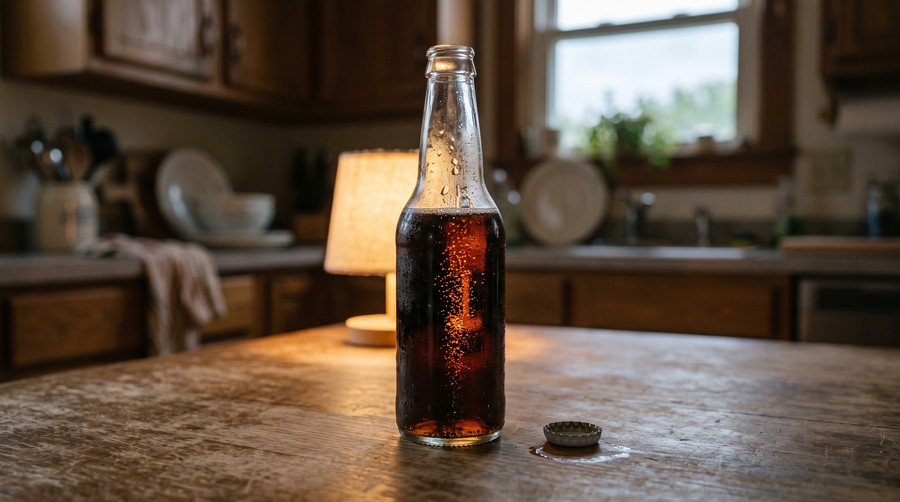
Breathing oxygen inside a chamber held above normal atmospheric pressure. Pressure pushes oxygen out of the red blood cells that usually carry it and straight into the plasma, so it reaches tissue that blood barely gets to — which is why it has treated carbon monoxide poisoning and wounds that will not close for half a century. What is new is Shai Efrati’s work at the Sagol Center in Israel, where a full course lengthened telomeres and reduced the number of senescent cells in healthy older adults, alongside gains in memory, attention and processing speed.
A bottle of something fizzy. With the cap on you can shake it and nothing happens, because the pressure keeps the gas dissolved in the liquid. Open it and the bubbles come out of everywhere at once. Pressure decides how much gas a liquid will hold — and blood is a liquid. The bottle is Dave Gobel’s way of explaining it.
The active ingredient is not the oxygen, it is the swing. The sessions alternate pure oxygen with ordinary air, so the body reads the drop as a shortage and switches on the repair it keeps for emergencies — the hyperoxic-hypoxic paradox. That means the protocol IS the treatment: sixty sessions across twelve weeks, five days a week, an hour or more each time, in a hard medical chamber at full pressure with timed air breaks. The soft inflatable chambers now sold for the spare room run at a fraction of that pressure with a concentrator rather than pure oxygen; they may do something, but they are not the thing that was studied, and the results are quoted as though they were. It is medicine, with real reasons not to do it — ears, sinuses and lungs above all — so it belongs with a doctor rather than with a purchase. One part of it has a free version: much of the effect runs through nitric oxide, and nasal breathing raises that on its own, which is why slow breathing and even humming turn out to be measurable rather than merely calming. Amy Killen makes that point in the book.
This is not medical advice. Talk to a doctor before changing anything, especially if you take medication.
Get the Map. It is free, and it is the whole field on one page.
The Longevity Map will guide you to a longer, healthier and more fulfilling life. It gives you a helicopter view on all branches of the longevity field.