
What to read, and what to watch.
This is the shelf I actually give people, in the order I would hand it over rather than alphabetically. Every entry says what the thing is; where one of them did something to me, my own note is folded underneath. 23 books, 12 films and series, 16 documentaries.
23 books, in order
The first three are the ones I press into people’s hands.
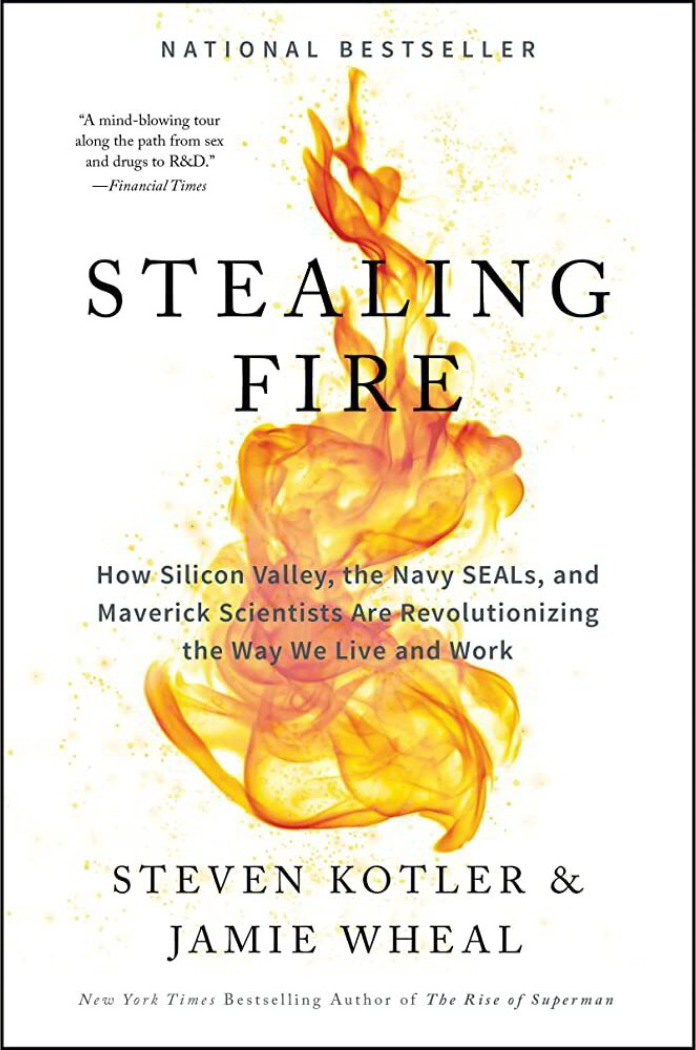
Stealing Fire
Steven Kotler & Jamie Wheal · 2017
An investigation into flow — the state in which you perform at your best and feel at your best at the same time — and into the very odd company of people chasing it: navy special forces, Silicon Valley, extreme athletes, and everybody who has ever lost an hour to something they loved. It is the least medical book on this shelf and one of the most useful, because it treats joy and coherence as trainable rather than as luck.
Marek’s note
My bible. A must read. Flow belongs to Longevity Basics as much as sleep does — more flow means living longer, and coherence between mind, heart and body is where joy and fun come from. I went to Jamie and Steven’s flow coaching course in Santa Cruz, California, and it was enlightening. I decided to live differently, and to treat the trauma I had carried from childhood. That began a run of decisions, including the MDMA-assisted therapy that changed my life for the better, and it gave me the boost to go and do the quest with my son.
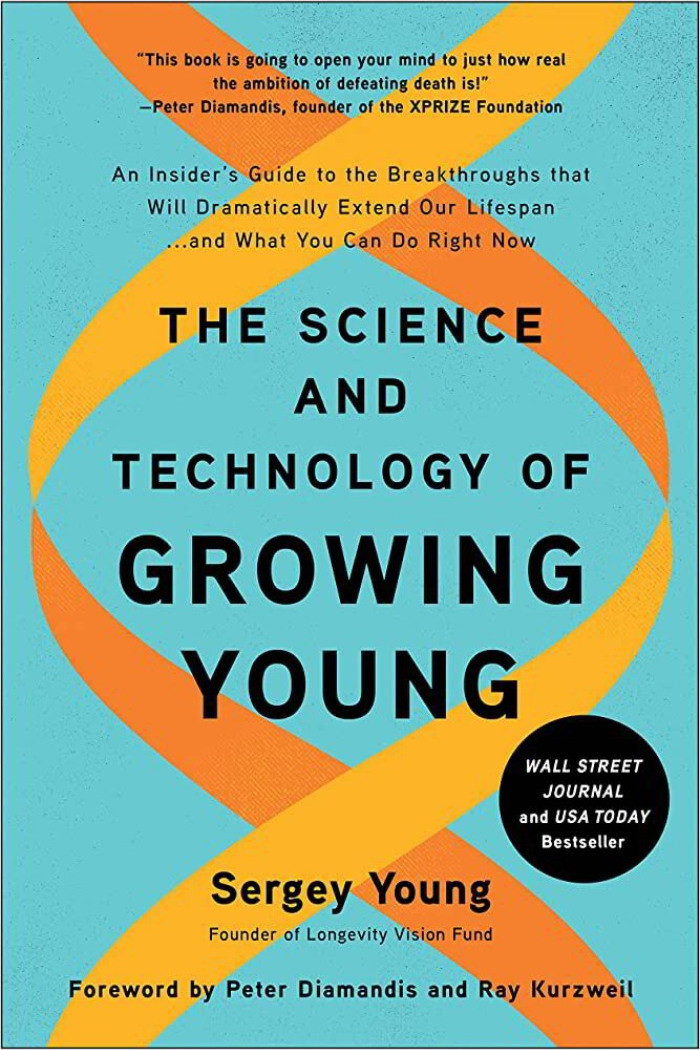
The Science and Technology of Growing Young
Sergey Young · 2021
A tour of what is coming — gene therapy, regenerative medicine, diagnostics, AI — written in the plainest language of any book here, by an investor who has spent a decade funding it. It answers the question a beginner actually has, which is not what is a sirtuin but what do I do on Monday.
Marek’s note
Very simple language, an easy read, and very empowering. This is how to start your longevity journey. If somebody asks me for one book to begin with, it is often this one.
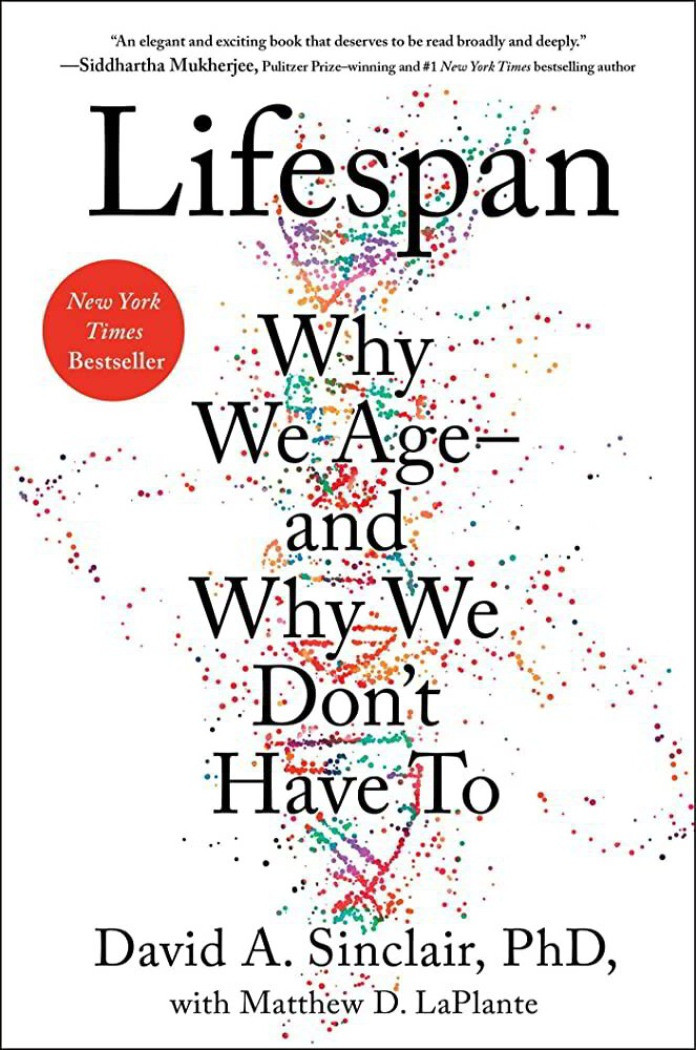
Lifespan
David A. Sinclair · 2019
The book that made the case to a general audience that ageing is a treatable condition rather than a fact of life. Sinclair is a Harvard geneticist and one of the field’s best communicators, and his contribution is a theory with a name: that what fails as we age is not the genome but the instructions for reading it.
Marek’s note
Very good communicator, a scientist, a PhD. His greatest achievement is the information theory of ageing.
The information theory of ageing, in a paragraph
Sinclair’s idea is that what wears out as we age is not the DNA text but the instructions for reading it. Every cell carries the same genome; what makes one a neuron and another a kidney cell is the epigenome — chemical marks on the DNA and on the proteins it wraps around, telling each cell which genes to run and which to keep quiet. His lab’s analogy is a compact disc: the music is still on the disc, and ageing is the scratches. Repairing broken DNA pulls the regulators away from their posts, and over a lifetime not all of them come back, so cells drift out of their own identity and tissues stop working properly. The reason this matters is the consequence: if the youthful instructions are still recorded somewhere in the cell, they can in principle be read back — which makes ageing, in his framing, a reversible cause rather than an accumulation of typos. His group has two headline results behind it: restoring sight in mice by switching on three of the four reprogramming factors in the eye (Nature, December 2020), and making mice age faster by disturbing the epigenome without changing a single letter of their DNA (Cell, January 2023).
It is contested, and this page would be dishonest not to say so. James Timmons and Charles Brenner argued in Cell in February 2024 that the mouse experiment has not tested what it claims to test — that the enzyme used to cut the DNA is itself toxic, and that no aged tissue in the paper had its function restored. Sinclair’s group replied in the same issue. Read the theory as the most interesting live argument in the field rather than as settled science.
What happened to the theory in 2026
It reached a person. Life Biosciences — the company Sinclair co-founded and chairs — had an application cleared by the FDA on 28 January 2026 for ER-100, and on 9 June 2026 announced that the first participant had been dosed. It is the first time partial epigenetic reprogramming has been given to a human being. The therapy is a single injection into one eye carrying three reprogramming factors, switched on by taking an antibiotic by mouth for eight weeks, so the effect is deliberately partial and time-limited. It is being tested in open-angle glaucoma and in a form of sudden optic-nerve damage called NAION, in about 18 people, on clinicaltrials.gov as NCT07290244.
Two things worth saying plainly. No results of any kind have been reported — the trial’s own estimated first readout is May 2027, and anything you read claiming a restored eye is not from this trial. And Sinclair chairs the board of the company whose therapy his book’s theory underwrites, which is worth knowing when you read either.
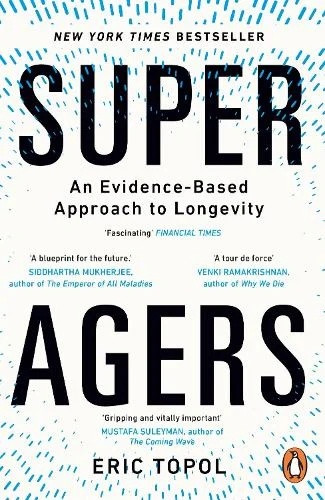
Super Agers
Eric Topol · 2025
A cardiologist and one of the most cited medical researchers alive spends a book pushing back on the anti-ageing industry — not enough evidence, too much selling — and puts something harder in its place: prevention of the three or four diseases that actually kill us, using screening, biological-age measures and a person’s own data read by machine years before anything shows up. Simon & Schuster call it “a detailed guide to a revolution transforming human longevity”.
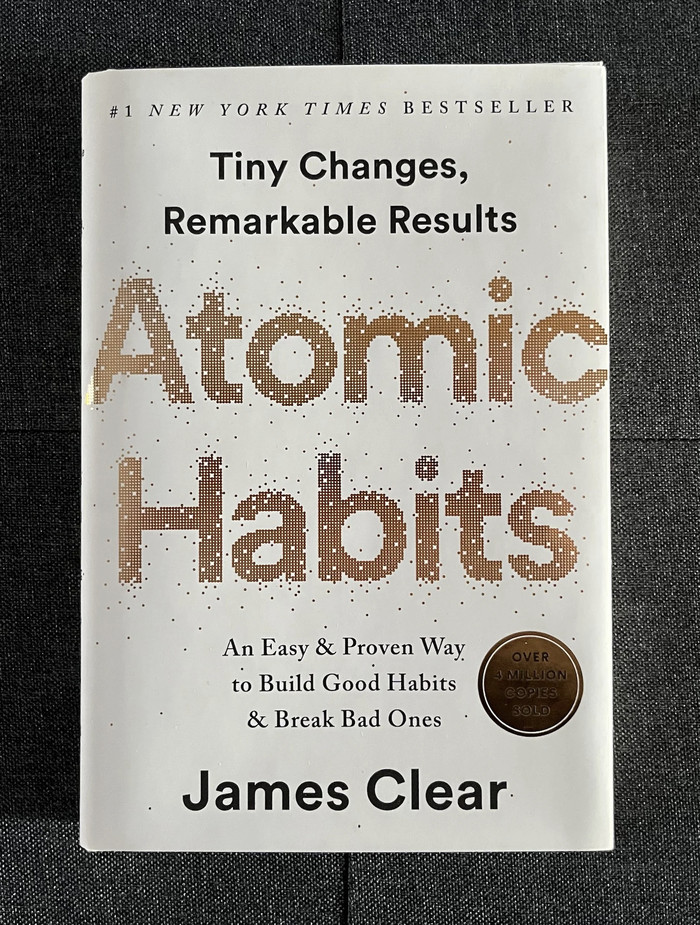
Atomic Habits
James Clear · 2018
The clearest account anybody has written of why small changes compound and why willpower is the wrong tool. Not a longevity book by title, and arguably the most important one here: everything else on this shelf is knowledge, and this is the mechanism by which knowledge becomes a life.
Marek’s note
Why it is on a longevity page: habits are the key to mastering the basics of longevity. We need the tools in this book to start treating our minds, hearts and bodies as a temple and not as a trash bin.
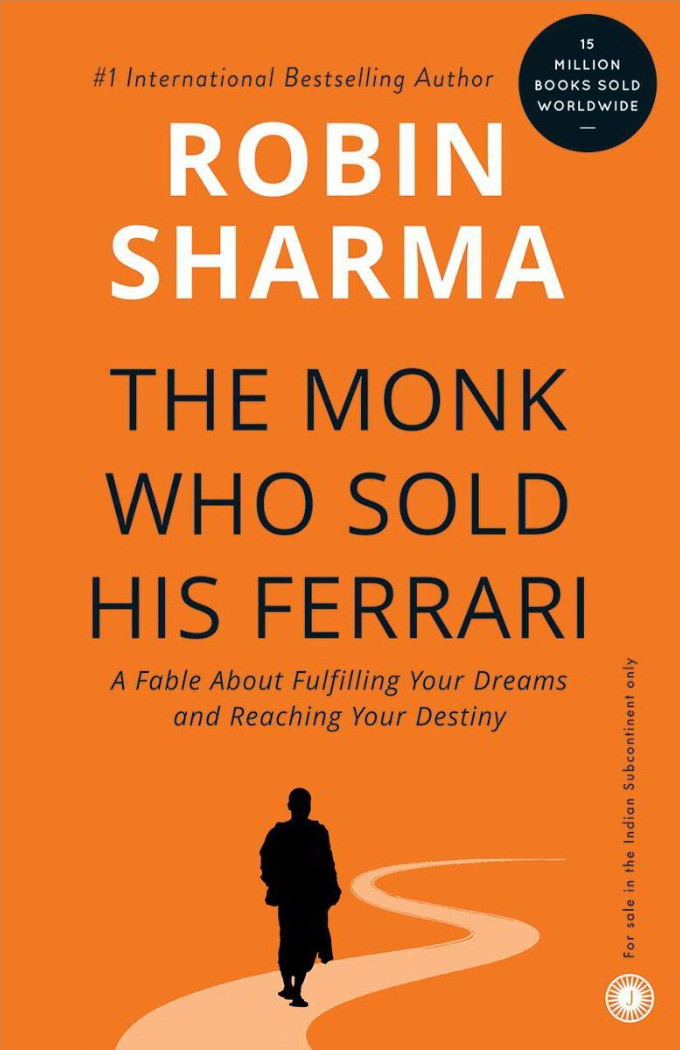
The Monk Who Sold His Ferrari
Robin Sharma · 1997
A fable about a lawyer who collapses in a courtroom, sells everything and goes to the Himalayas. It is not science and does not pretend to be; it is a set of simple stories about purpose, discipline and attention that people keep returning to for thirty years, which is its own kind of evidence.
Marek’s note
I love this book. Whenever you feel sad, whenever you feel stuck, take it in your hand. I have been through it seven or eight times — twice read, the rest listened to while driving or travelling. Simple stories, and always guidance.
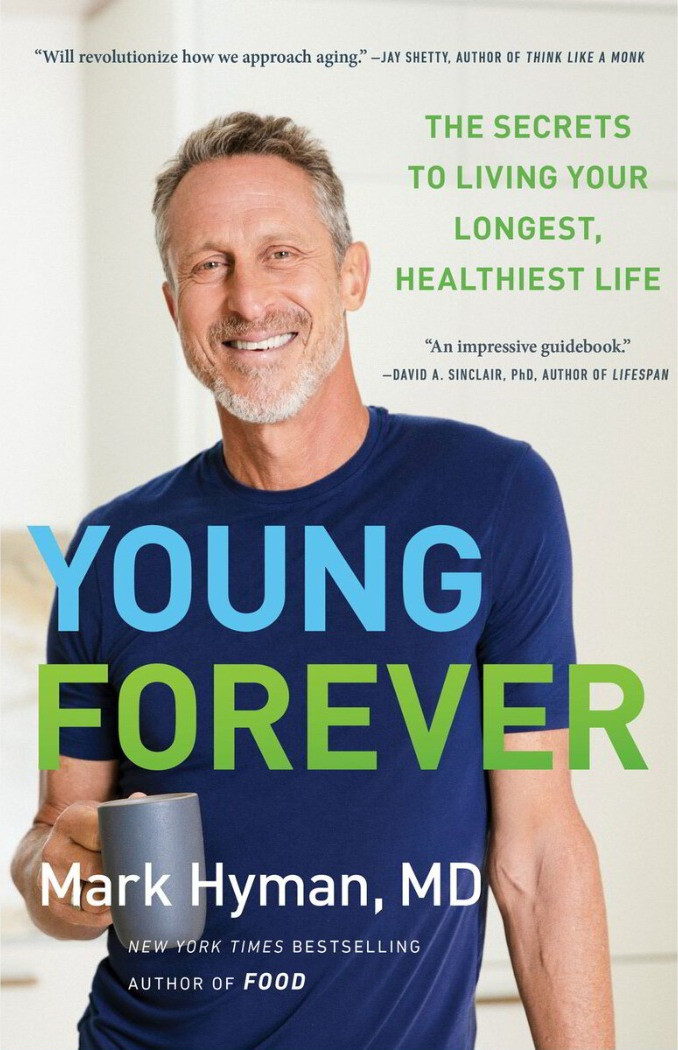
Young Forever
Mark Hyman · 2023
A working manual for the hallmarks of ageing, organised around the thing you can change today: what is in the fridge. Hyman is a functional-medicine physician best known for his work on the gut, and the book’s strength is that it moves from mechanism to shopping list without losing either.
Marek’s note
I love it. Mostly about how to make our fridge our pharmacy. He is an expert in leaky gut. Very inspiring, and it talks about the basics of longevity.
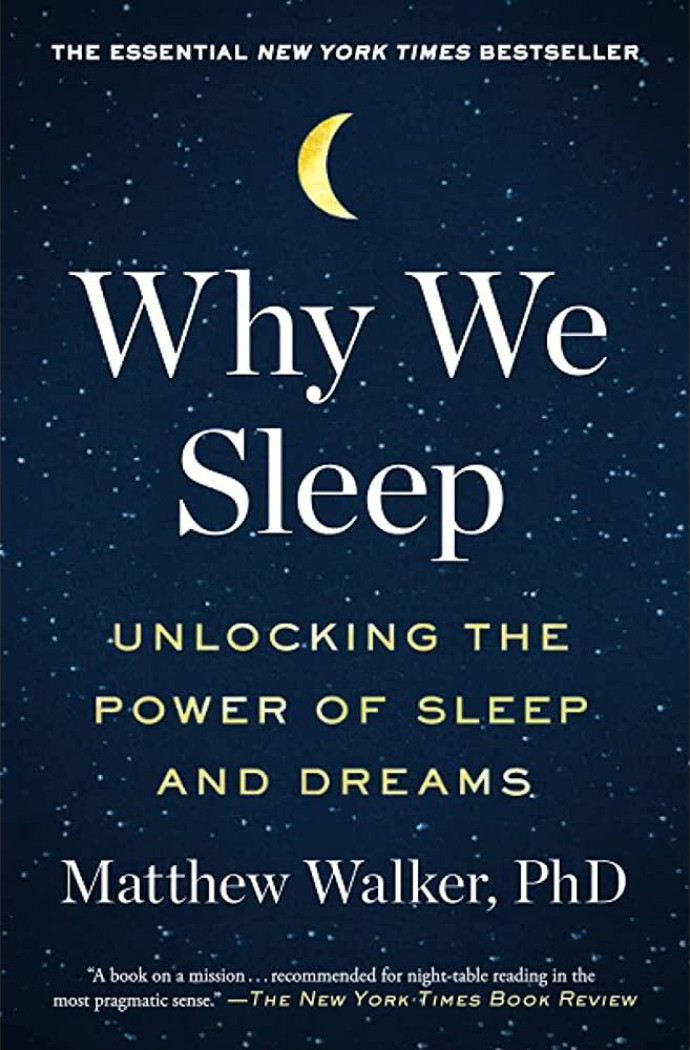
Why We Sleep
Matthew Walker · 2017
What sleep is for, and what losing it costs — memory, immunity, metabolism, mood, and the rate at which you age. Walker runs a sleep laboratory at Berkeley, and the book is the reason a generation of people started treating eight hours as a medical intervention rather than a luxury.
Marek’s note
Sleep is one of the main pillars of longevity and Matthew is one of the most renowned experts on it. Worth digging into. I hope you will not fall asleep while reading.
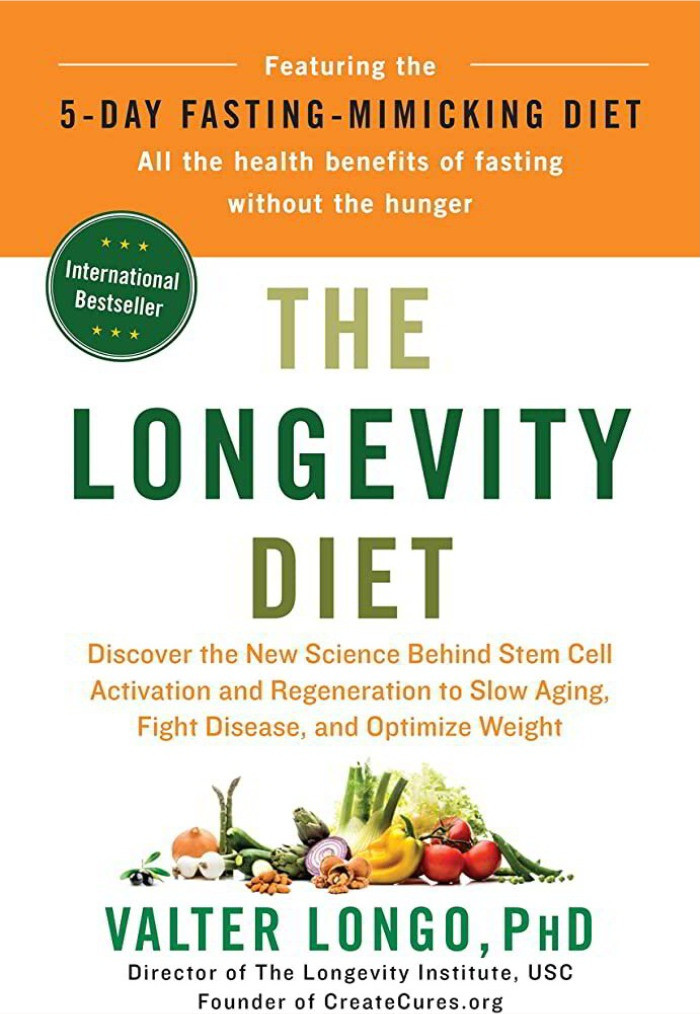
The Longevity Diet
Valter Longo · 2018
Longo runs the Longevity Institute at USC, and this is the book behind the fasting everybody now talks about. Its argument is that you do not have to stop eating to get the benefits of stopping eating: a short, structured diet that mimics a fast switches on the same cellular clean-up and regeneration.
Marek’s note
The fasting-mimicking diet is said to be better than regular fasting, healthier, and it works amazingly for longevity. A favourite.
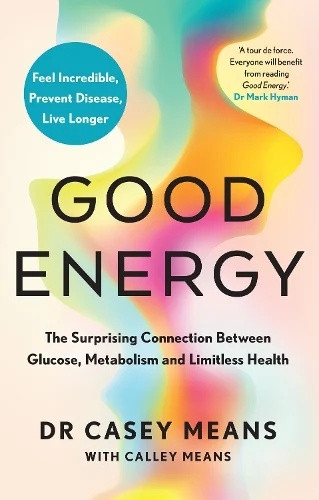
Good Energy
Casey Means, with Calley Means · 2024
A single-cause argument: that most chronic disease traces back to how well your cells make and use energy, and that this is measurable now rather than at a check-up in ten years. Means is a physician and a co-founder of Levels, and the book is the most readable route into the basics for somebody who has never thought about any of it. It is also the most argued-over book here, which is not a reason to leave it off.
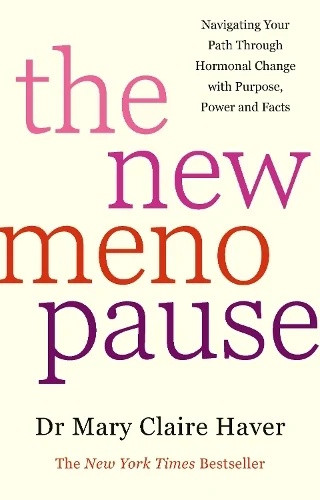
The New Menopause
Mary Claire Haver · 2024
Half the population goes through a hormonal transition that reshapes bone, muscle, brain and cardiovascular risk for the thirty years that follow — and medicine has treated it as a lifestyle inconvenience. Haver is a board-certified obstetrician-gynaecologist, and the book is built as a reference you use rather than a story you finish: an A-to-Z of symptoms, what is happening underneath each one, and what the evidence actually supports.
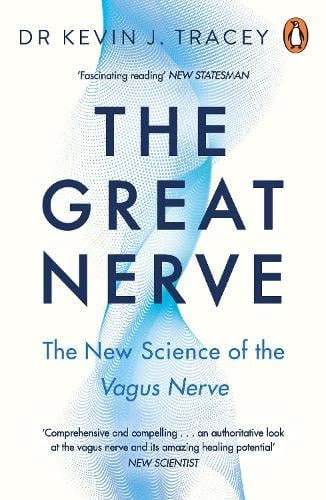
The Great Nerve
Kevin J. Tracey · 2025
Tracey is the neurosurgeon who discovered the inflammatory reflex — that the nervous system directly controls inflammation, through the vagus nerve. This is that work written for everybody, and it puts real mechanism under a subject the wellness industry has been guessing about for a decade.
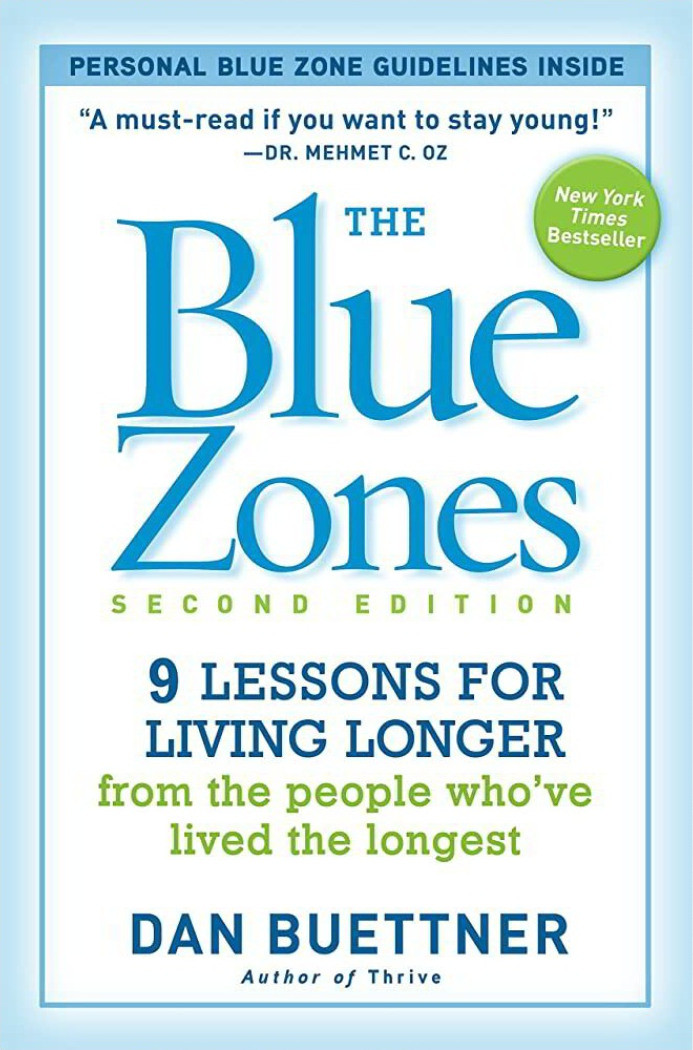
The Blue Zones
Dan Buettner · 2008
The book that found the places where people reliably reach a hundred — Okinawa, Sardinia, Ikaria, Nicoya, Loma Linda — and asked what they have in common. The answer is not a food. It is a way of living that makes the healthy thing also the easy thing, which is the argument this whole project rests on.
Marek’s note
A person we should know — he also created the Netflix series Live to 100, which is beautiful and inspiring. In my opinion this is a book about graceful ageing rather than about longevity, and it is still inspiring. We went to Okinawa because of it.
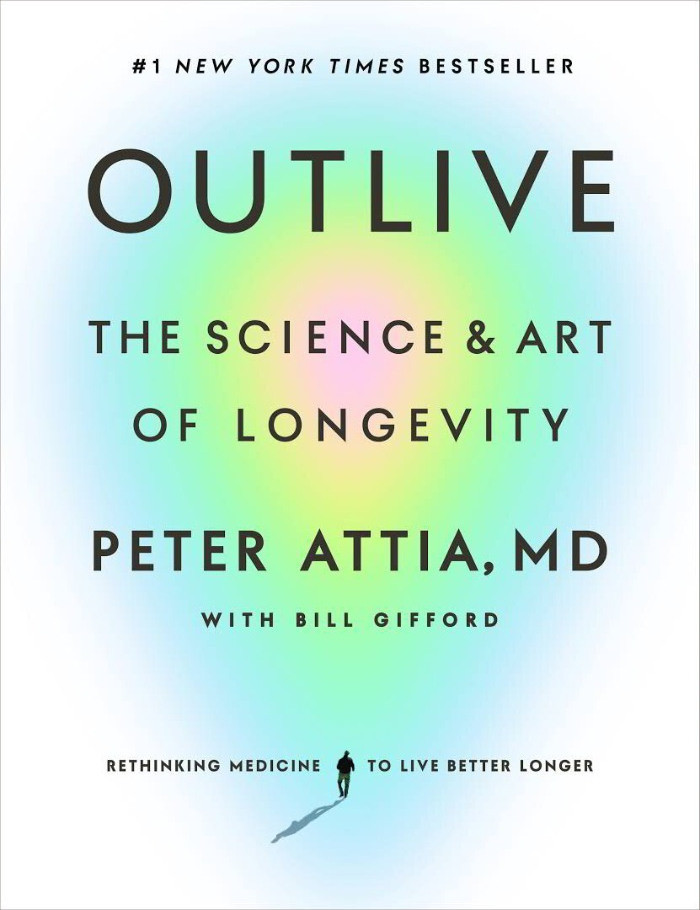
Outlive
Peter Attia · 2023
The most rigorous practical book on the shelf: what the four chronic diseases actually are, how far in advance they can be seen, and what to do about each of them decades early. Attia is a physician, and the book is at its best on exercise and on the arithmetic of risk.
Marek’s note
A great book. It is more about ageing gracefully and vibrantly than about living past 120, and it is mostly about prevention — which is the key to squaring the curve. Not extending lifespan so much as hugely extending healthspan.
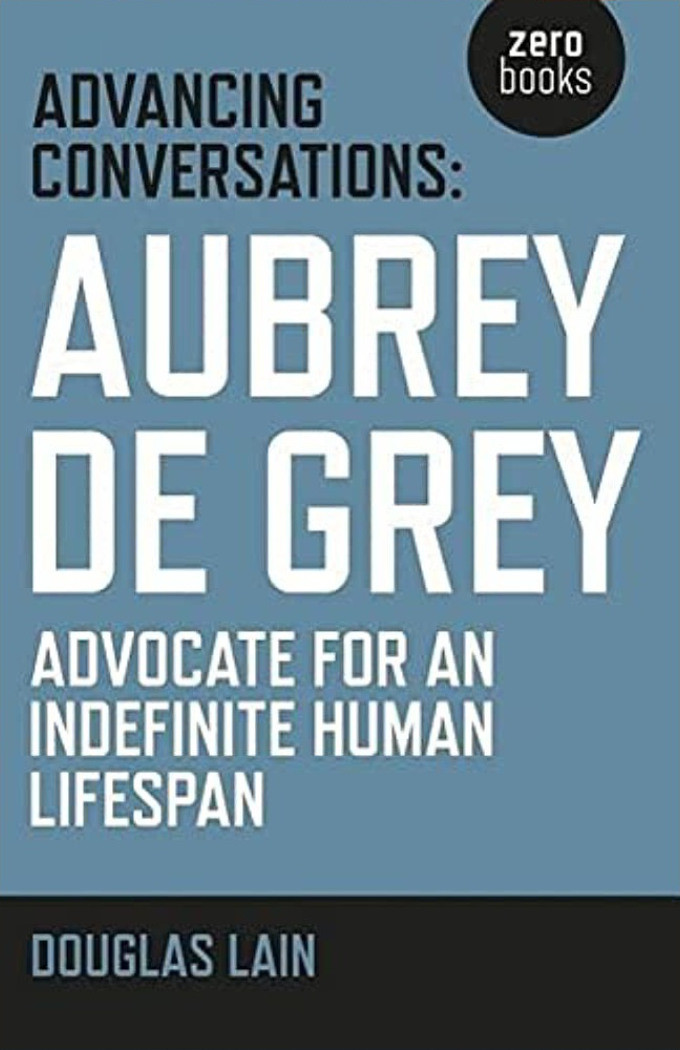
Advancing Conversations
Aubrey de Grey & Douglas Lain · 2015
A long interview rather than a treatise: de Grey setting out, in his own voice, the case that ageing is seven kinds of accumulated damage and that each of them is an engineering problem. It is short, argumentative and the quickest way to understand the position that started the modern field.
Marek’s note
Aubrey is one of the fathers of this field, and he is the one who started communicating it to the masses. Most of the scientists we met say Aubrey inspired them to join. So thank you, Aubrey. We met in Berlin, twice in Dublin, and in Los Gatos in California — that walk and that conversation taught me a lot, especially about advocacy for longevity.
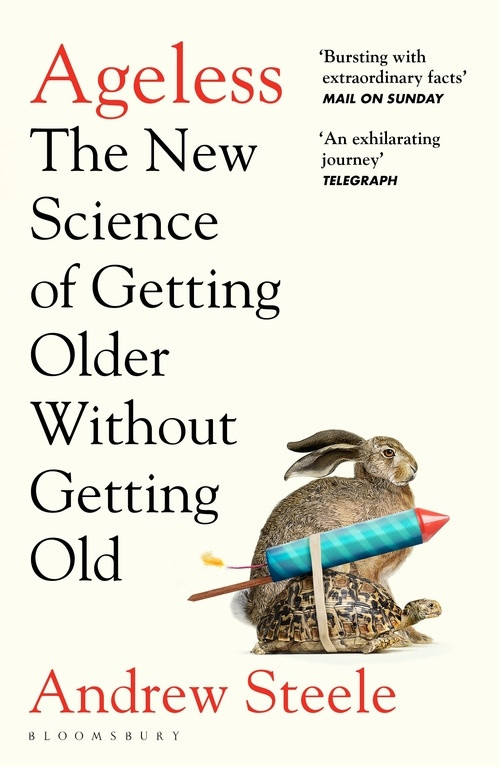
Ageless
Andrew Steele · 2020
The field guide. Steele is a computational biologist who left the laboratory to write, and this is a systematic tour of the biology of ageing — DNA damage, mitochondria, stem cells, the immune system, senescent cells — organised around what each one offers as a target. He has no clinic, no supplement line and no protocol to sell, which is exactly why it reads as a map rather than a programme.
Marek’s note
We interviewed Andrew at Longevity Summit Dublin in August 2023 — the first conference we ever walked into, and the first days of the whole quest.
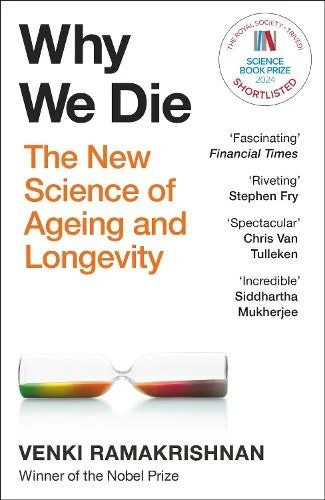
Why We Die
Venki Ramakrishnan · 2024
A Nobel laureate in chemistry walks through what ageing is at the level of the cell, and then asks, calmly, how much of it is negotiable — including whether death serves a purpose and what happens to a society if it stops. He is neither a believer nor a debunker, which is rare here. It was shortlisted for the Royal Society science book prize in 2024.
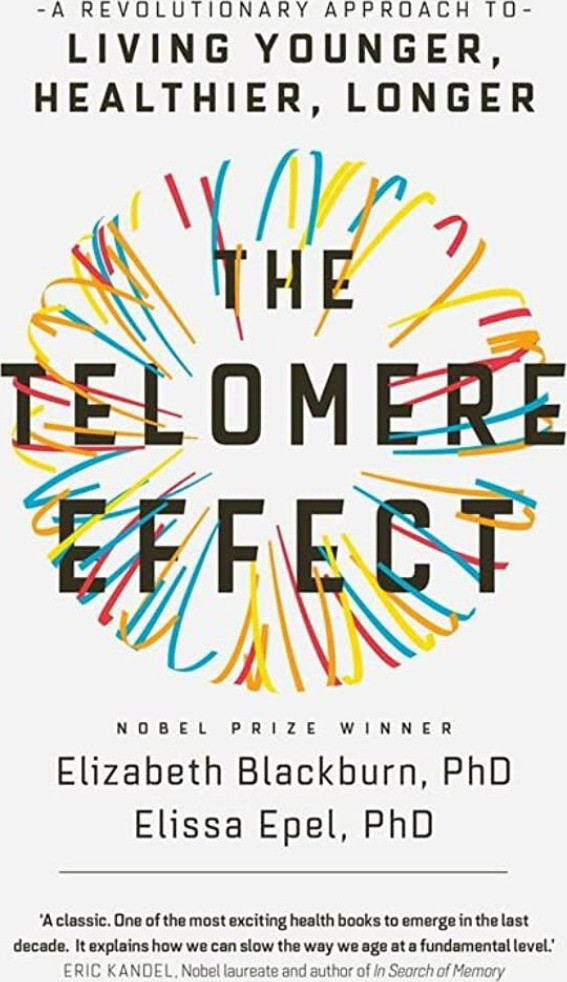
The Telomere Effect
Elizabeth Blackburn & Elissa Epel · 2017
Blackburn shared the 2009 Nobel Prize in Physiology or Medicine for discovering how telomeres — the protective caps on the ends of chromosomes — are maintained. Here she works with the health psychologist Elissa Epel to argue that telomere length is a measurable physical record of how you have lived: sleep, stress, diet, exercise, and even the neighbourhood you grew up in. The unusual thing about this book is the direction of travel. Most longevity books start with advice and reach for a mechanism; this one starts with a single cellular measurement its author discovered, and traces it outwards to how you spend a Tuesday. It is the only book on the shelf written by the person who found the thing it is about.
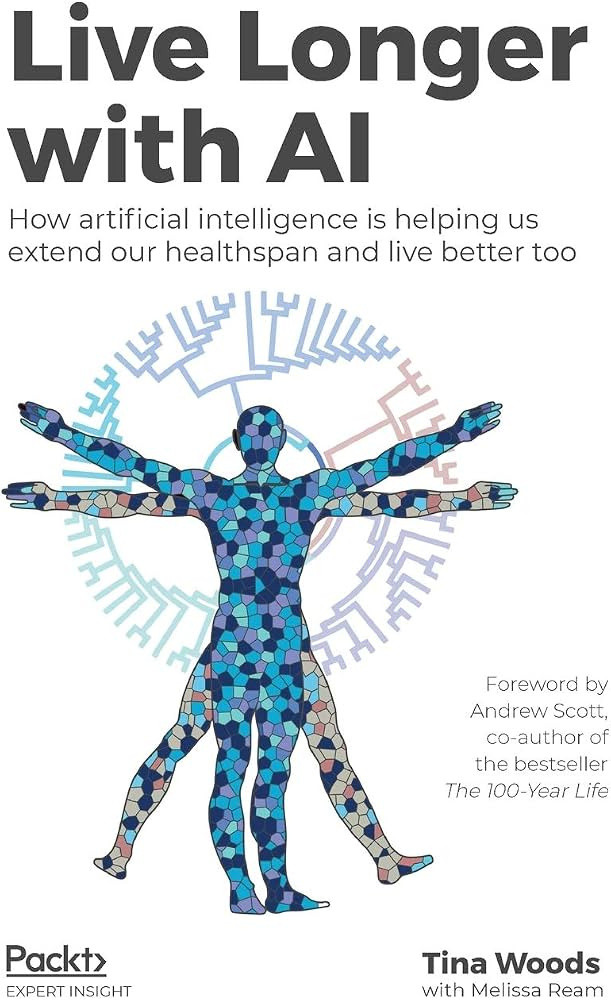
Live Longer with AI
Tina Woods · 2022
Written before the noise about AI began, and it set out how machine learning would change healthspan and early detection. It also carries interviews with a lot of the people who matter in this field.
Marek’s note
We met Tina in Okinawa, one of the original Blue Zones, and walked the beach talking about why the longest-lived people on earth do not hack their biology so much as live well. Her line for it: “It’s everything your grandmother used to tell you — eat your greens, get enough sleep, keep active, and hang out with your friends.” Tina on the people we met · her full page opens on the Live Beyond Hub in September.
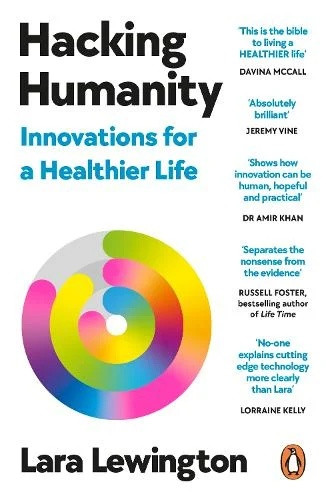
Hacking Humanity
Lara Lewington · 2025
The only book on this shelf written by a journalist rather than by a scientist or a doctor, and that is exactly why it earns its place. Lewington presents BBC Click and has reported technology for twenty years; here she goes to the laboratories and the clinics and asks the question a reader would ask, which is not whether the science is elegant but whether it works and who gets it. Her publisher’s line: it “takes us to the cutting edge of scientific research to demystify how new innovations are transforming medicine for the better.”
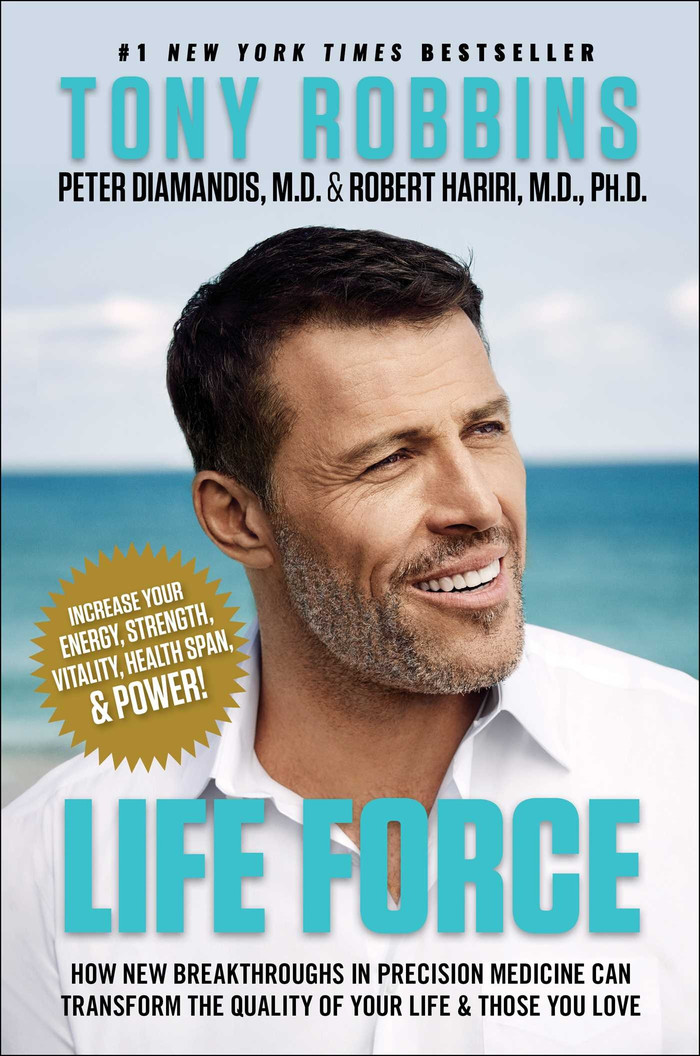
Life Force
Tony Robbins, Peter Diamandis & Robert Hariri · 2022
Seven hundred pages of what precision medicine can already do — stem cells, gene therapy, CAR-T, diagnostics — assembled by an interviewer with unusual access and two people who build the companies. Read it as a catalogue of what exists rather than as a guide to what you should do, and it is the most complete one in print.
Marek’s note
We filmed Peter Diamandis walking in Los Angeles — he is on the people we met.
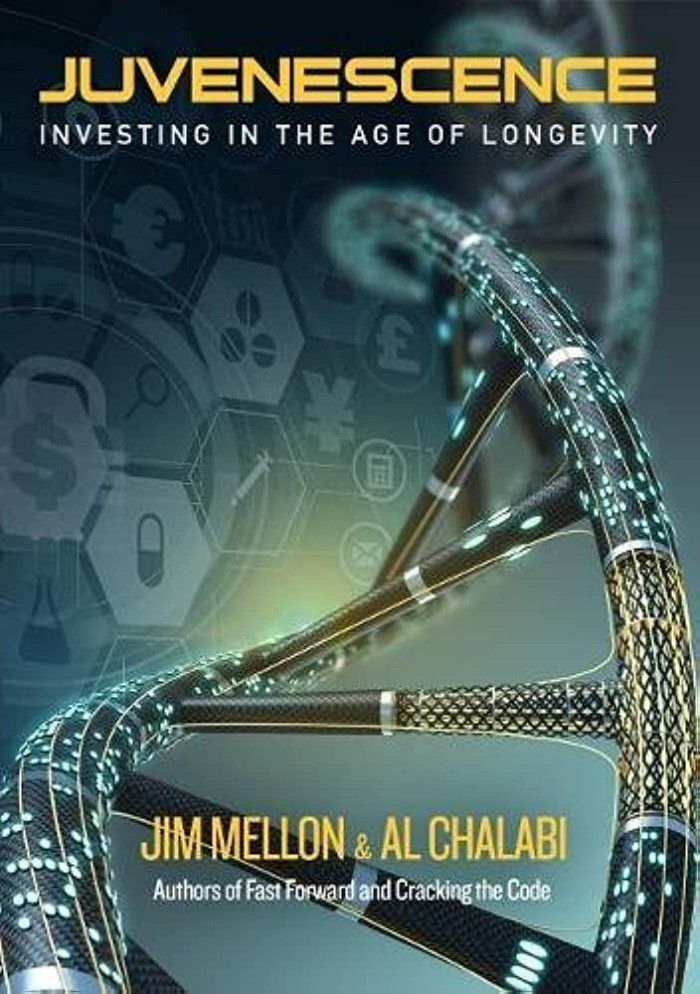
Juvenescence
Jim Mellon & Al Chalabi · 2017
The only book here written from the capital side: a stock-picker’s map of the longevity sector, therapy by therapy and company by company, with contributions from de Grey and Sinclair. Mellon went on to found a longevity biotech of the same name, which tells you how seriously he meant it. Useful if you want to know who is actually paying for this.
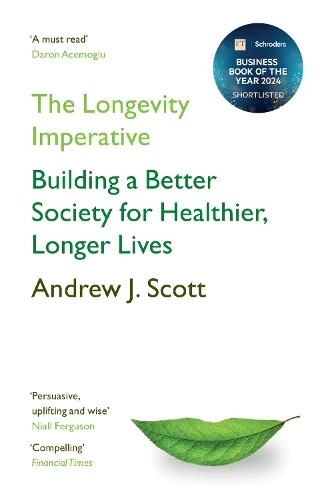
The Longevity Imperative
Andrew J. Scott · 2024
An economist at London Business School on the part almost nobody writes about: what has to change outside the laboratory. Work, education, cities, pensions and health systems all assume a life that ends around eighty, and his argument is that adding years without redesigning the society around them produces more old age rather than more life. It was shortlisted for the Financial Times business book of the year in 2024.
12 films that ask the longevity question.
Not documentaries — stories. Science fiction has been arguing about long life for forty years and it is usually asking a better question than the field is: who gets it, what it costs, and who is still there with you at the end of it.
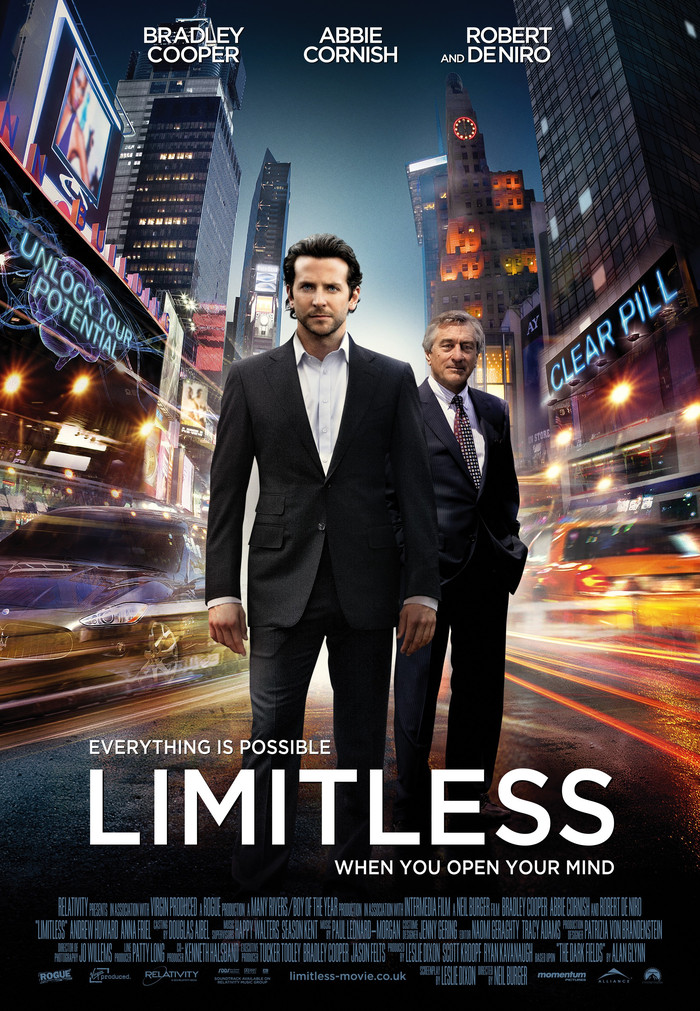
Limitless
2011
A struggling writer takes a pill that lets him use all of his mind at once, and finds out what an unlimited version of himself actually costs. On this list because enhancement is the question underneath most of level 03, and because the film asks it without a laboratory in sight.
Marek’s note
One of my favourite science-fiction films — also followed by the series of the same name.
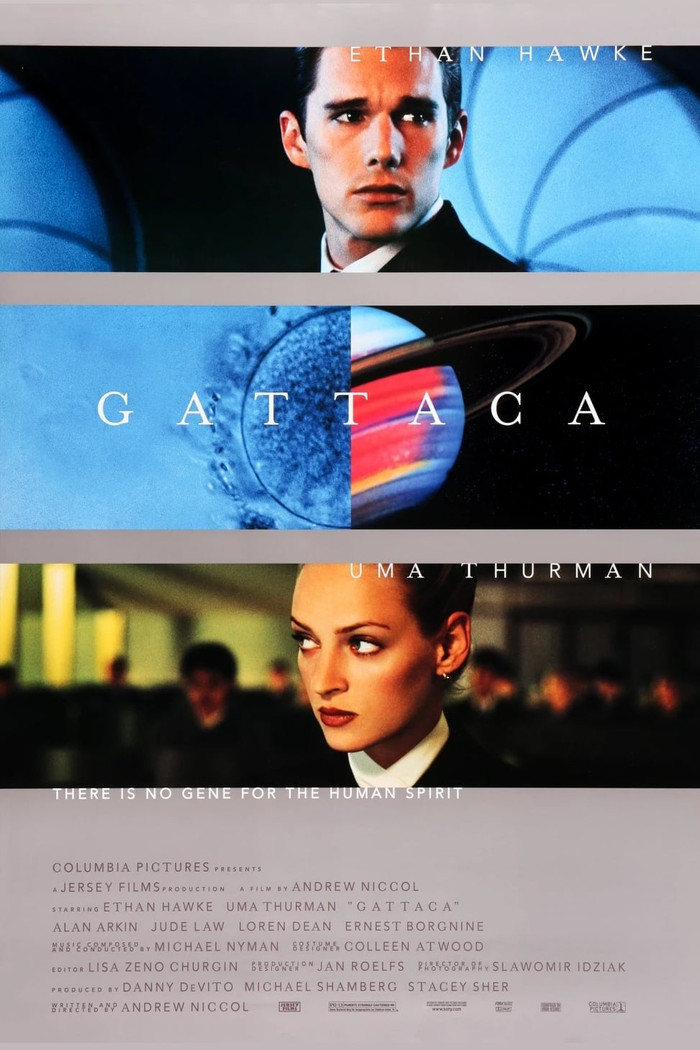
Gattaca
1997
In a near future where a blood test at birth decides your life, a man with the wrong genome buys somebody else’s identity to get into space. Thirty years old and still the sharpest film about what happens when biology becomes a credential.
Marek’s note
The first time we talked about the implications of genetic engineering. Huge, and an amazing film.
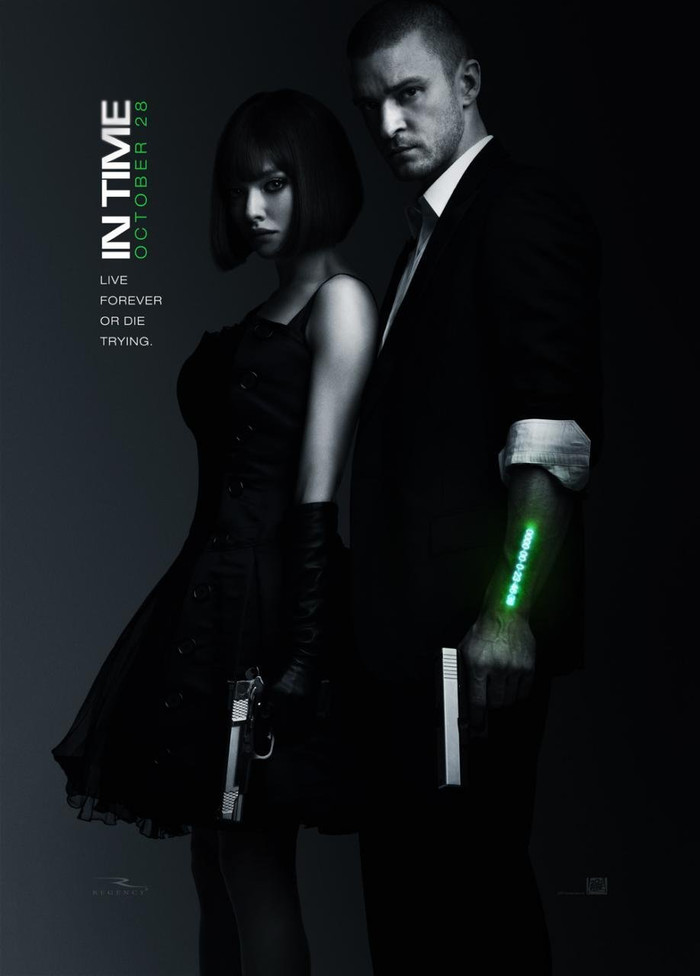
In Time
2011
Everybody stops ageing at 25, and from then on time is the currency — you earn hours, you spend hours, and when your arm runs to zero you die. It is a blunt idea executed with great discipline, and it makes the inequality argument better than any essay.
Marek’s note
An ingenious concept showing how precious life is. I like it a lot — great entertainment.
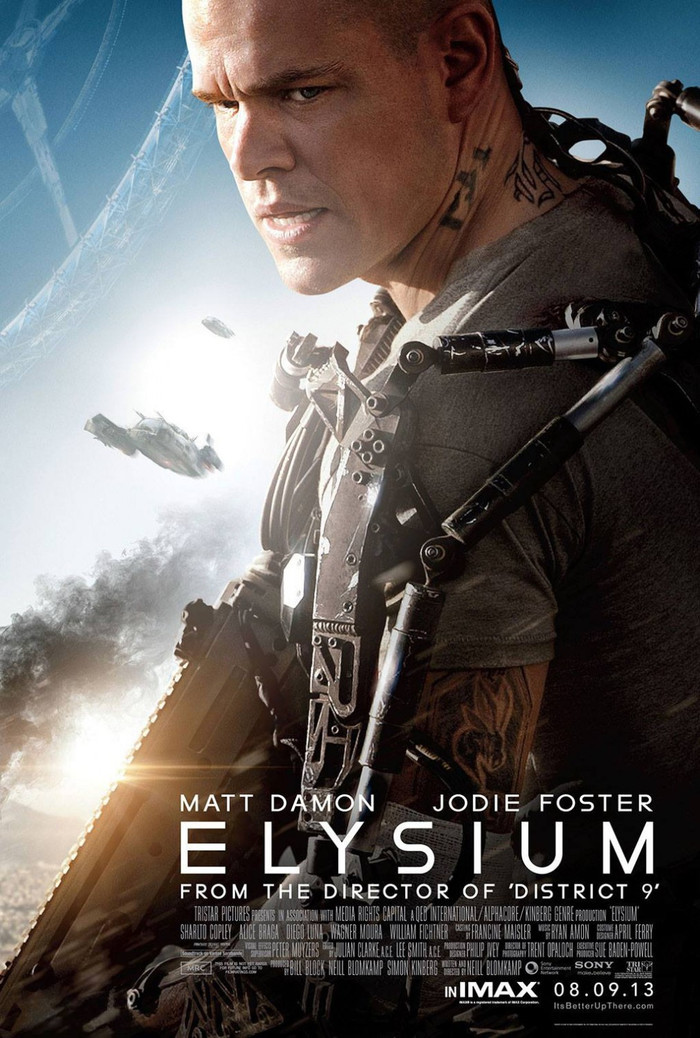
Elysium
2013
The rich live on a space station with a machine in every bedroom that cures anything; everybody else is on the ground. A film about access rather than about technology, which is the argument the longevity field will have to win.
Marek’s note
The democratisation of longevity breakthroughs. That is huge. Let us hope that in the real world, in time, we get it.
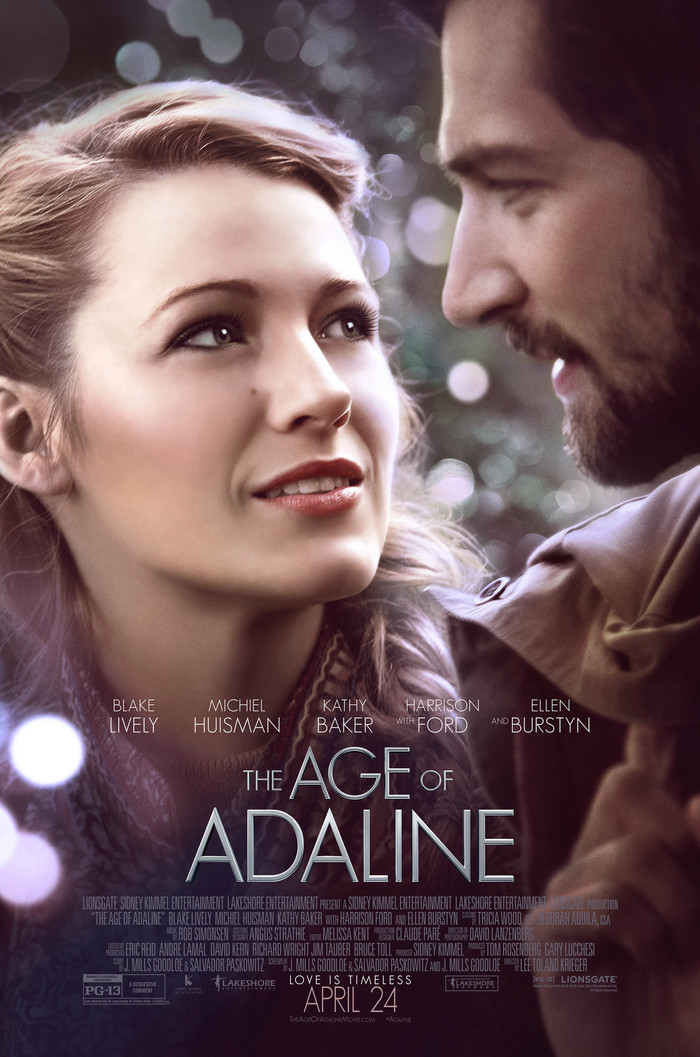
The Age of Adaline
2015
A woman stops ageing at 29 after an accident, and spends a century leaving before anybody can notice. The science is a shrug; the film is about what a long life does to the people in it, which is the part the field talks about least.
Marek’s note
It lets people think about how to live, how long to live, what is important, and how much friends and relationships matter. If we want to live longer, we need to live together.
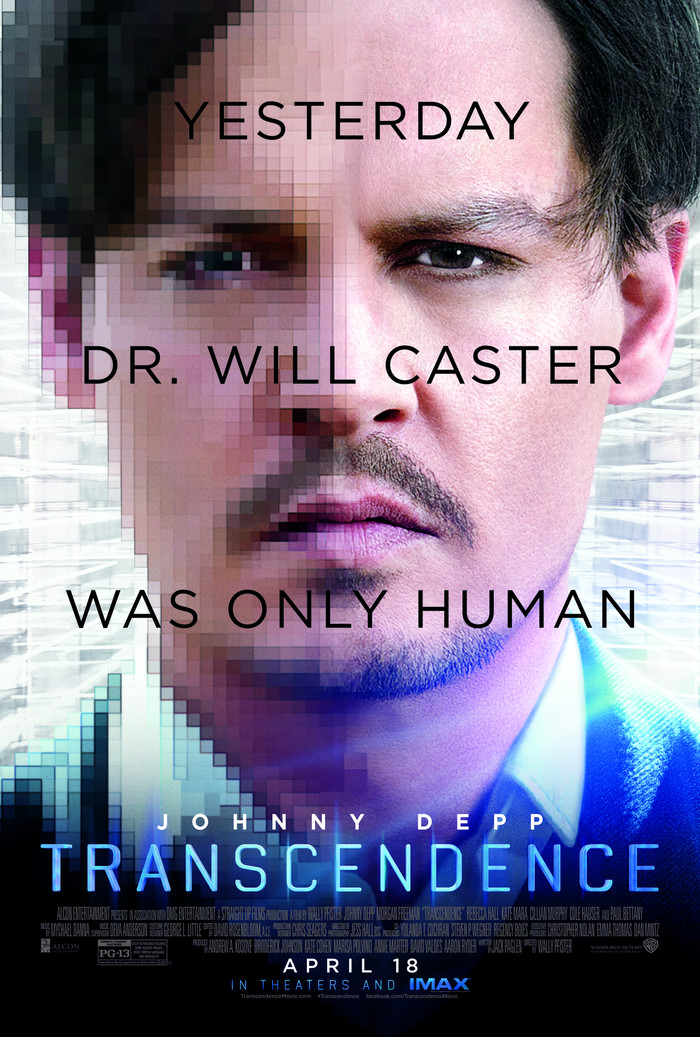
Transcendence
2014
A dying scientist has his mind uploaded, and the thing that wakes up is either him or a very good imitation. Made a decade before anybody outside the field was arguing about this, and it has aged into relevance rather than out of it.
Marek’s note
Especially now, with AI expanding: what it can do in our lives, how it can advance science, and what the costs are. A top-notch film predicting many of the breakthroughs that are slowly entering our present world.
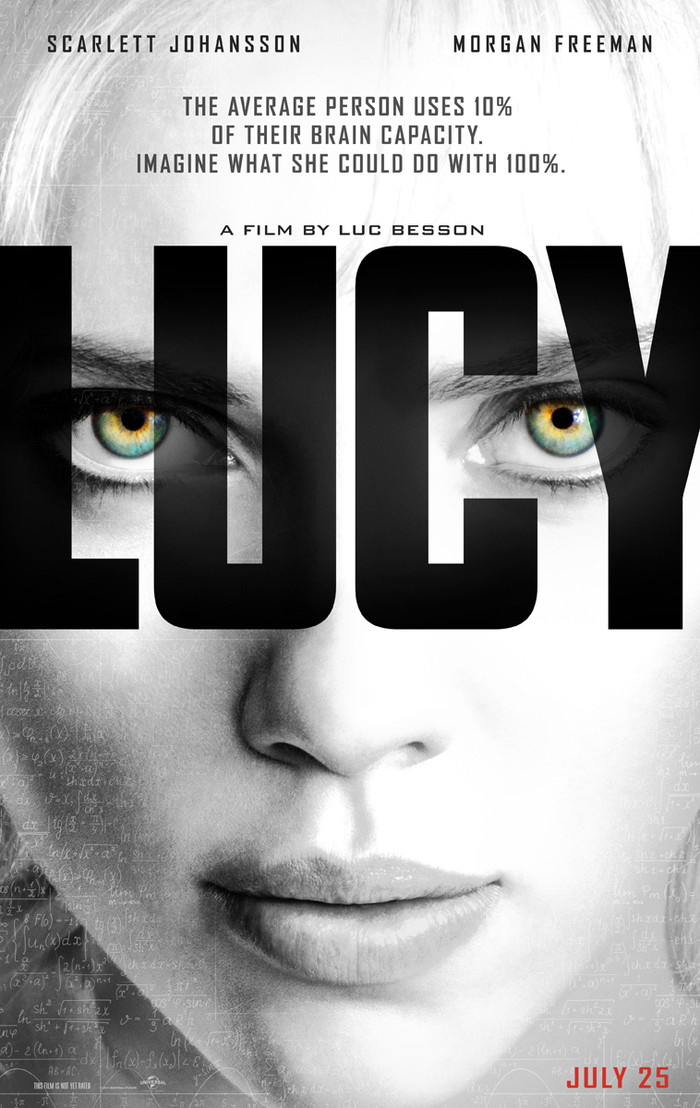
Lucy
2014
A woman’s brain is chemically opened up and she keeps going past every limit until she is no longer recognisably a person. Not a serious neuroscience film and not trying to be — it is a film about what we would become if the ceiling came off.
Marek’s note
I love this film and the gates it opens in our minds. It lets us think about how we could advance the science.
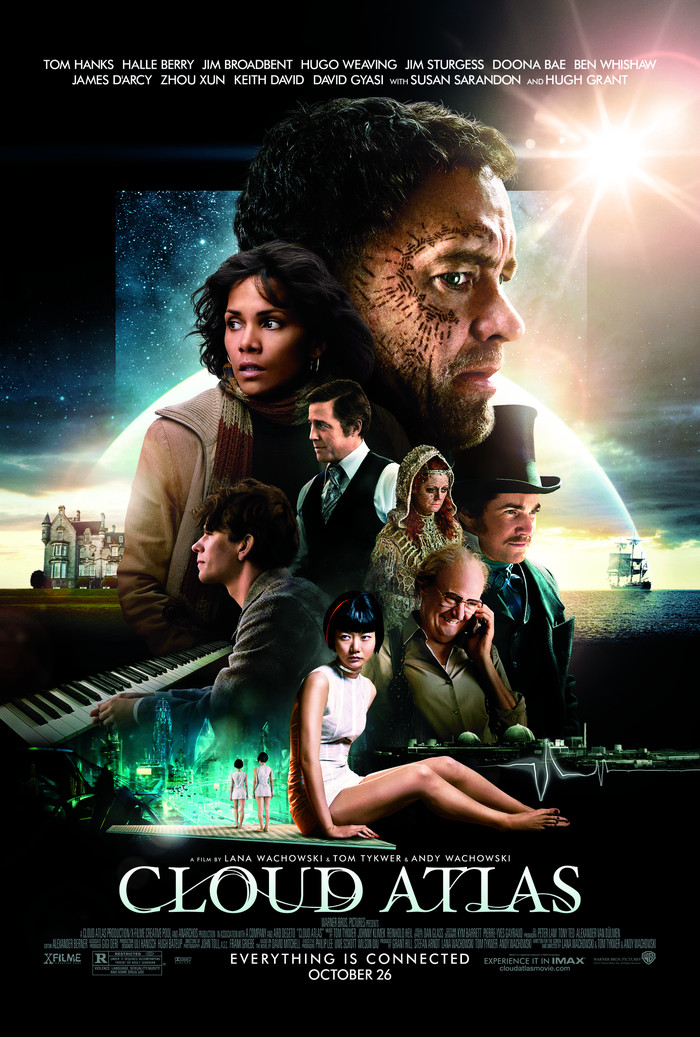
Cloud Atlas
2012
Six stories across five hundred years, the same souls turning up in each. A film about continuity rather than about lifespan, and the only one here that treats living on as a moral question rather than a technical one.
Marek’s note
I think that film is amazing.
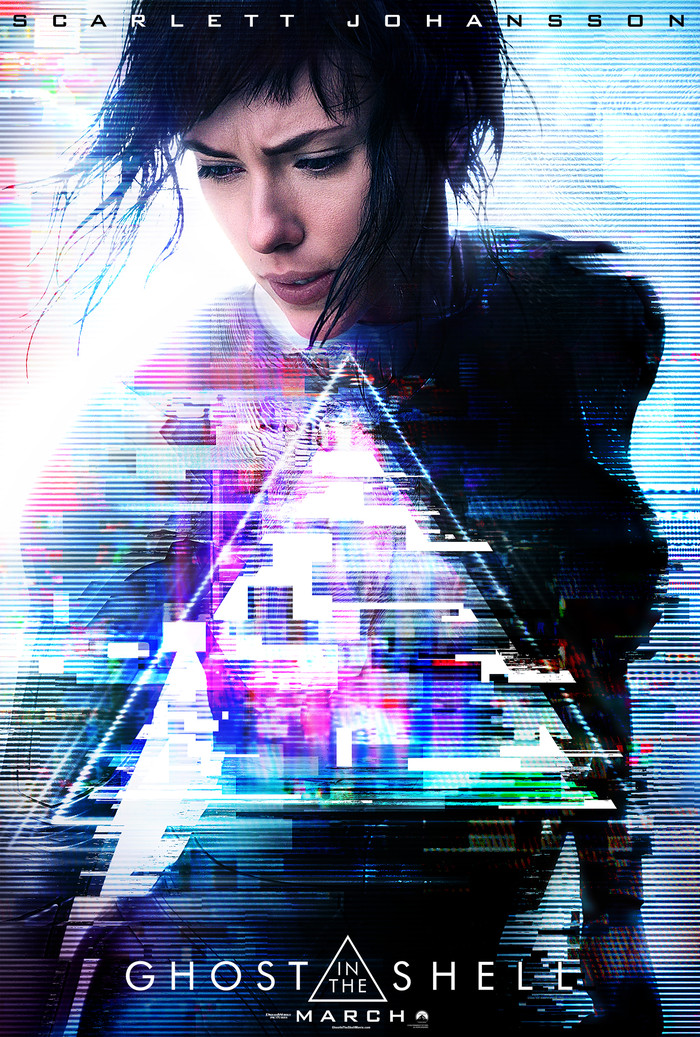
Ghost in the Shell
2017
A cyborg officer with a human brain in a manufactured body goes looking for whoever built her. The question it keeps circling — how much of you can be replaced before it stops being you — is the one every replacement therapy will eventually raise.
Marek’s note
One of my favourite science-fiction films. Inspiring and philosophical, even though some would say it is just science fiction. Highly recommended.
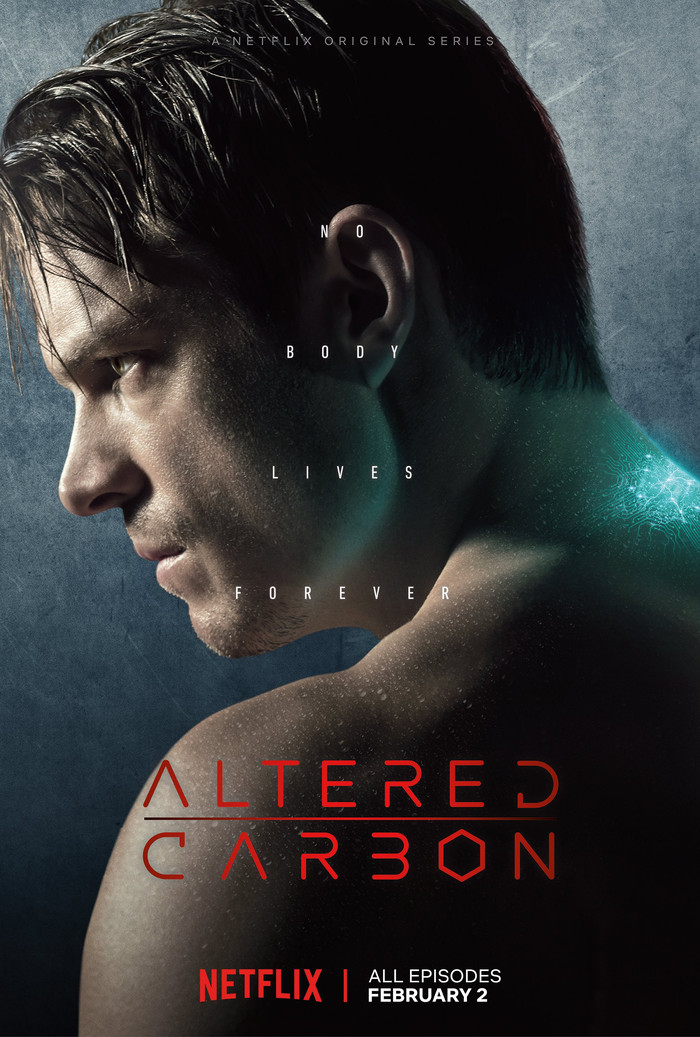
Altered Carbon
2018
Consciousness is stored on a disc at the base of the skull and can be moved into a new body, so the rich never die — they just change sleeves. The most thorough imagining anybody has filmed of what a society looks like when death becomes optional for some people.
Marek’s note
An amazing vision about stacks and transferring consciousness from one body to another. It is on the transhumanist agenda, based on the predictions of exponential technological growth, and one day very probable. Worth watching.
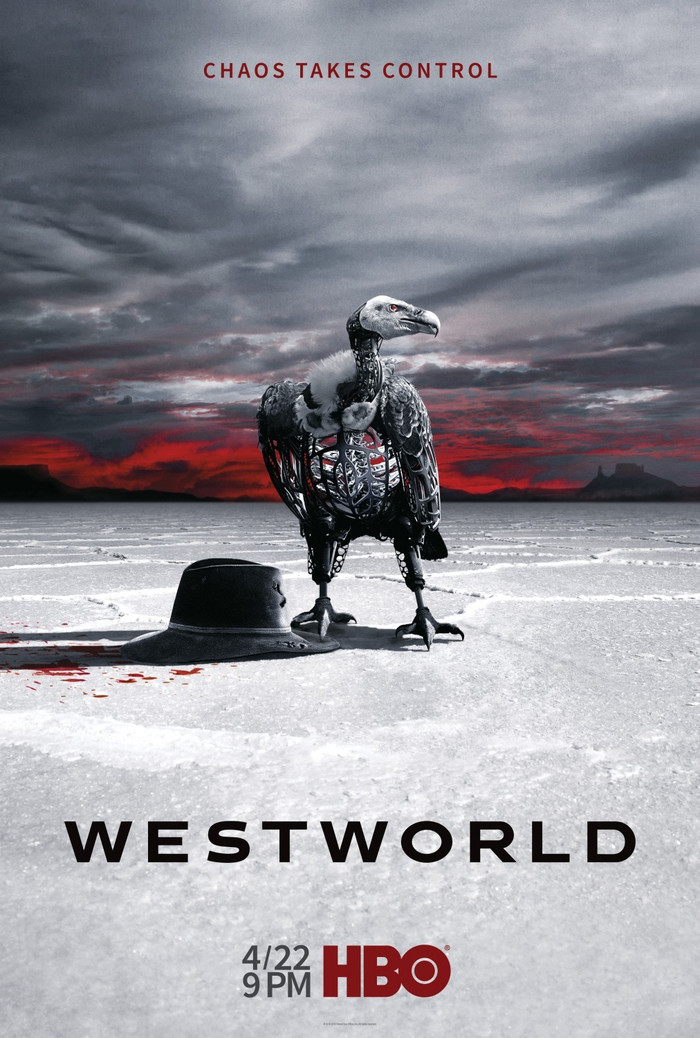
Westworld
2016
A theme park of manufactured people who cannot die, until they start remembering. Four seasons of it, and the first is as good as television gets on consciousness, memory and what a copy of a person owes to the original.
Marek’s note
In my opinion, the best science-fiction series there is. It poses a lot of questions we should start answering, especially at the dawn of the AI revolution.
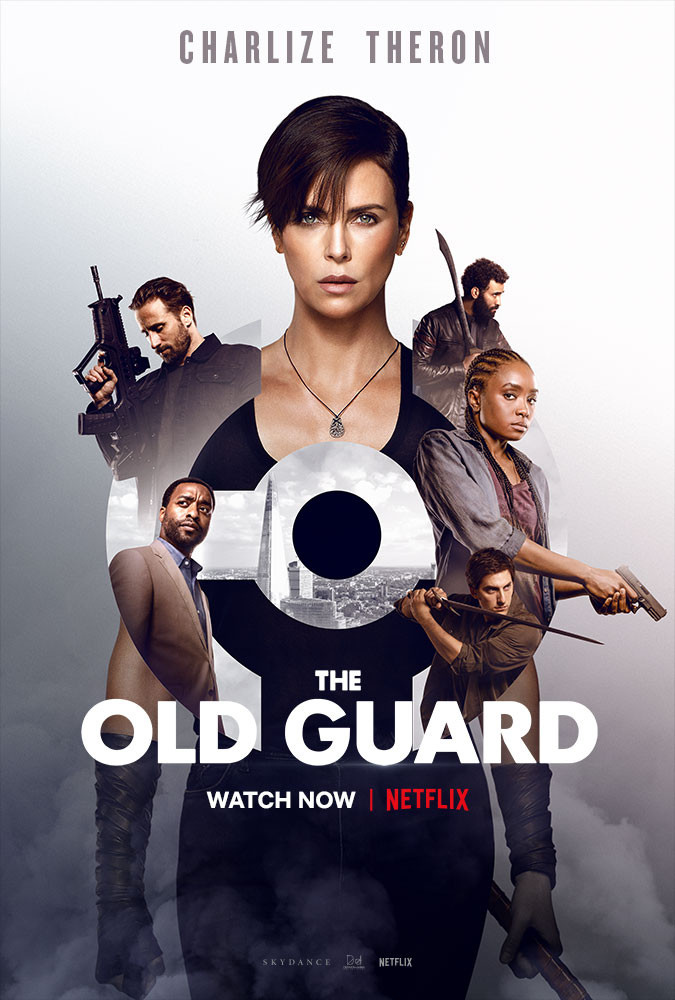
The Old Guard
2020
A small group of soldiers who cannot be killed have been fighting other people’s wars for centuries, and are very tired. Underneath the action it is about the one thing longevity rarely gets asked: who is still there with you.
Marek’s note
Amazing entertainment, great actors — and it lets us think about longevity, because long-term relationships will matter hugely when we live longer. There are two editions and both are worth mentioning.
16 documentaries worth the evening.
The first four are from the last three years and are the ones actually about the science of ageing; the rest have been on my list for longer. Four of them changed something for me, and those carry my own note.
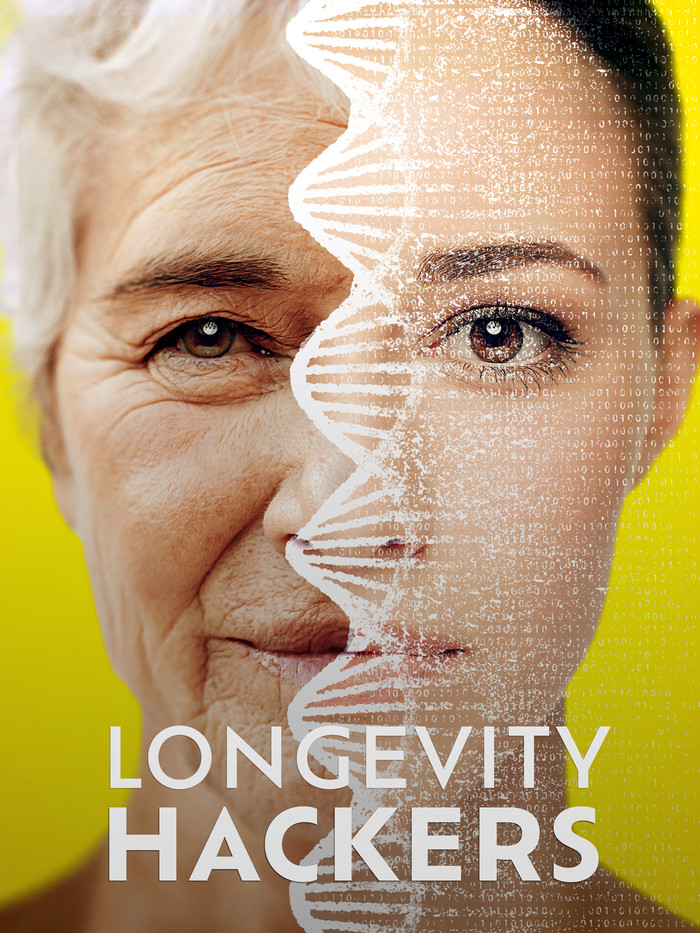
Longevity Hackers
2024
The race to slow biological ageing, narrated by Edward Norton, moving between working scientists — Morgan Levine, Bill Andrews, Aubrey de Grey — and the people making the noise about it, Peter Diamandis, Steve Aoki, Tony Robbins, Wim Hof. Its central claim is that most of the outcome is lifestyle, and it is at its best when it stays with the laboratories.
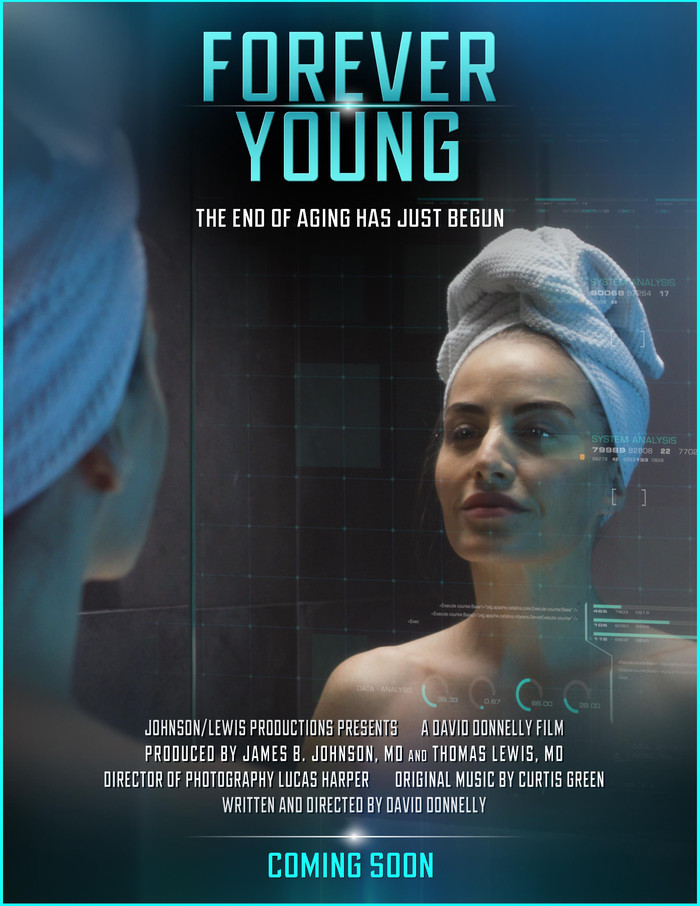
Forever Young
2025
The one that is genuinely about geroscience: Nir Barzilai, Eric Verdin at the Buck Institute, Richard Miller and researchers from Harvard, Stanford and Einstein on treating ageing itself as a condition, and on the drugs that might do it. We filmed Eric at the Buck a year before it came out.
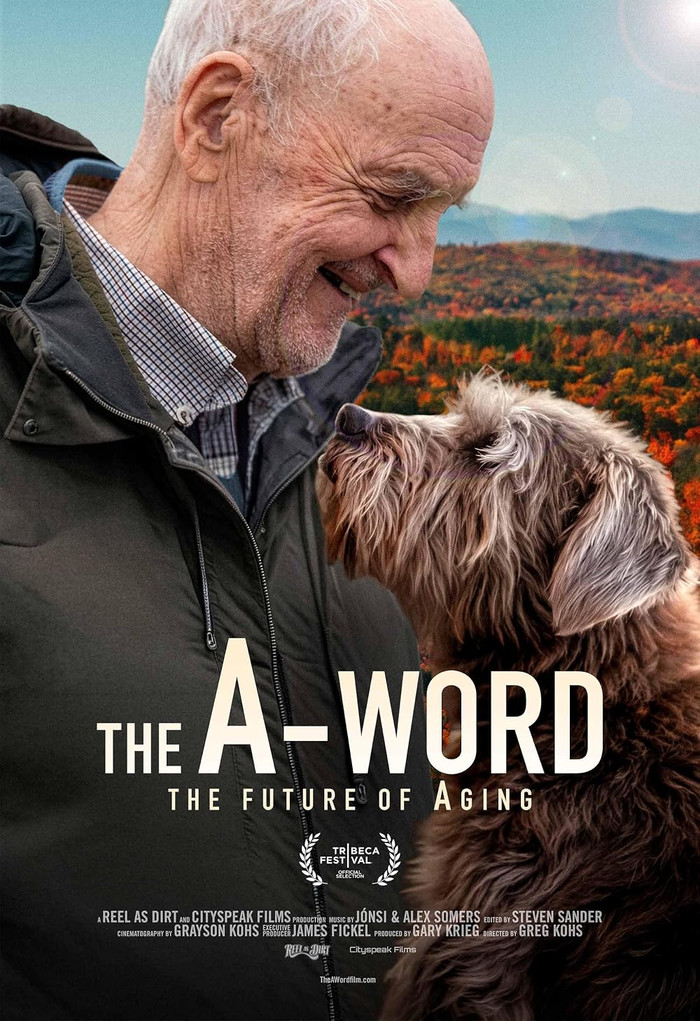
The A-Word: The Future of Aging
2026
Premiered at Tribeca this year. It follows the effort to get the first drug approved for ageing itself — in dogs, as the proving ground for people — and sets the healthspan argument beside a very quiet human story about an old man and his rescue dog.
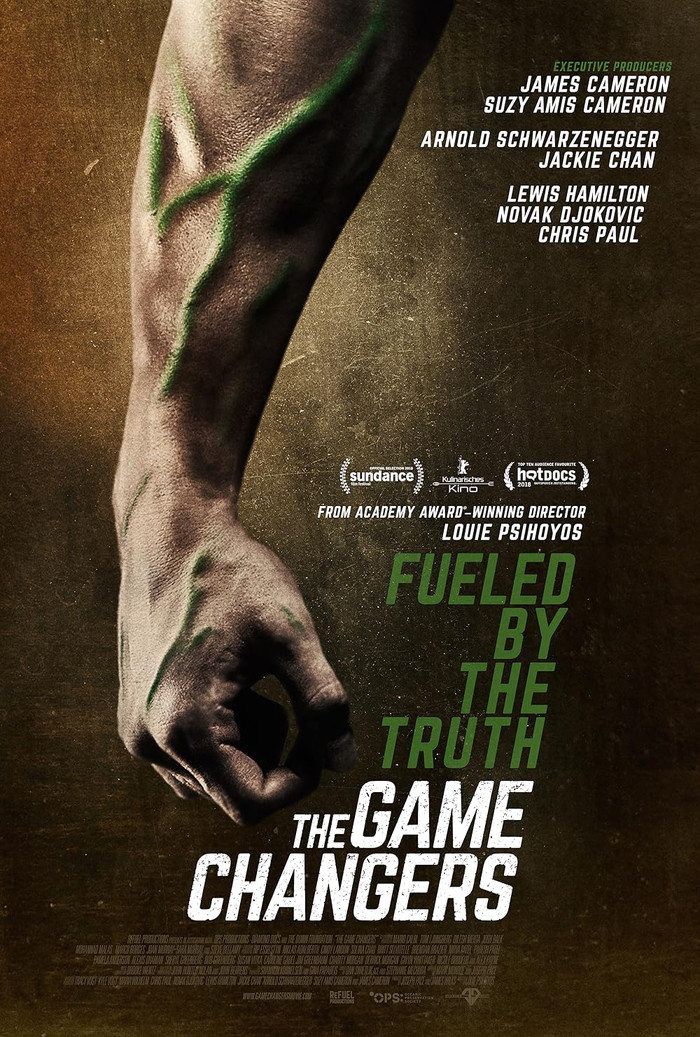
The Game Changers
2018
Plant-based eating and athletic performance, produced by James Cameron, and the most persuasive film ever made about protein.
Marek’s note
This film made me change my diet in one day.
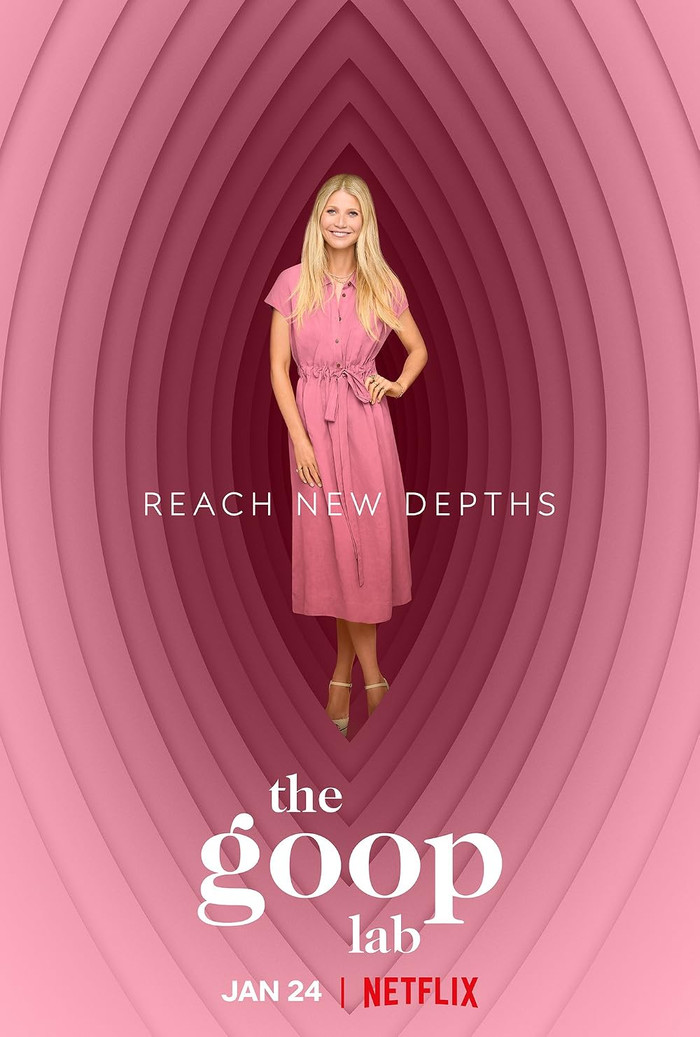
The Goop Lab
2020
Six episodes of alternative therapy tried on camera, from psychedelics to cold exposure, with the science treated lightly and the experience treated seriously.
Marek’s note
I loved this series, because it’s fun, and it shows important things in a very simple way. Of course — this is just surfing on the surface, and you need to explore more on these topics by yourself.
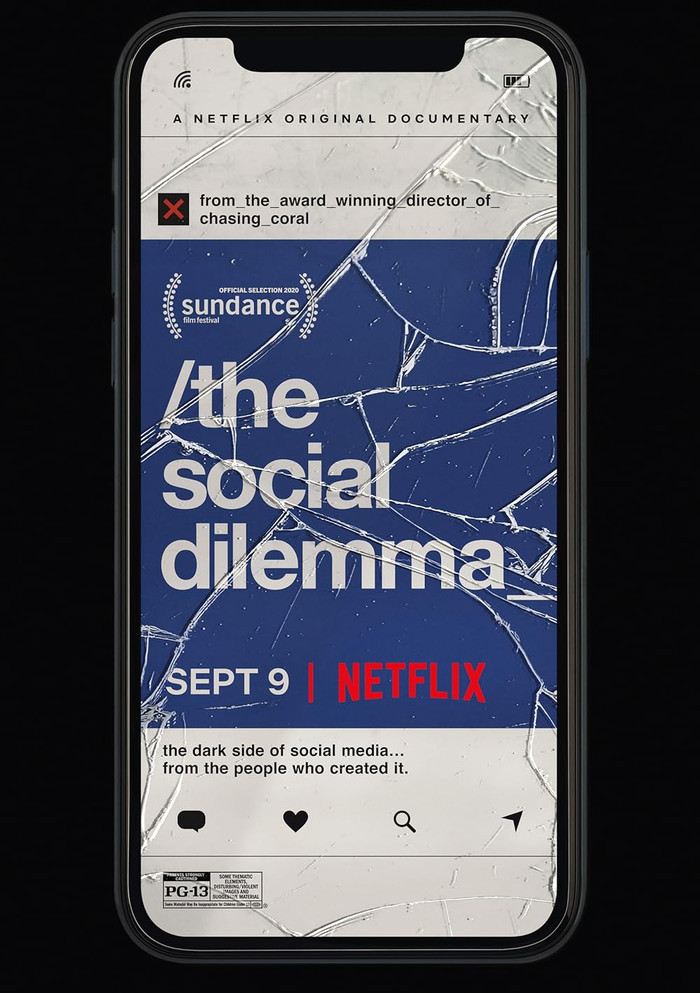
The Social Dilemma
2020
The people who built the attention economy explaining, on the record, what they built and what it does to a mind.
Marek’s note
If you haven’t seen it yet, do it today.
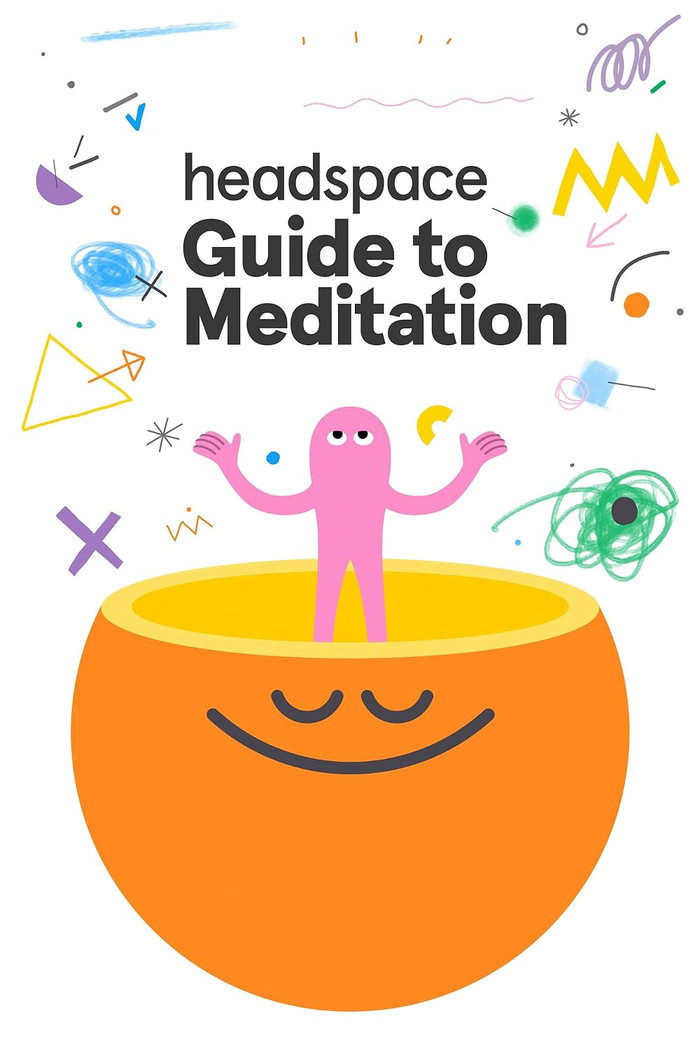
Headspace: Guide to Meditation
2021
An animated eight-part way into meditation that assumes nothing and asks for ten minutes.
Marek’s note
Some episodes are interactive, which makes it even more helpful.
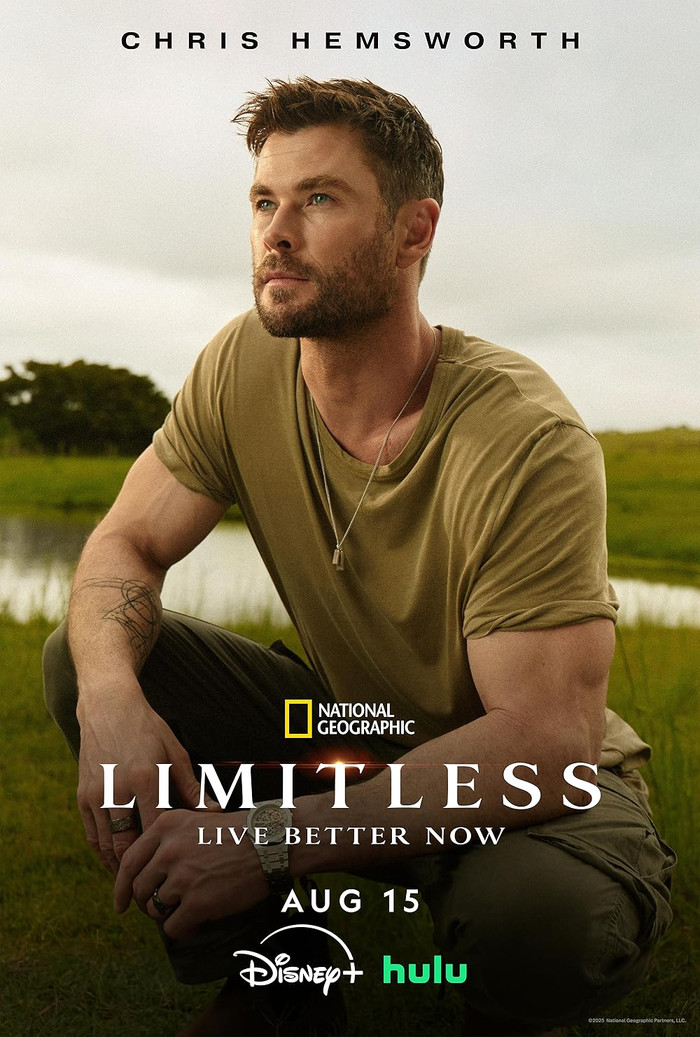
Limitless with Chris Hemsworth
2022
Six challenges — fasting, cold, stress, strength, memory, mortality — run on a film star by real scientists, and a rare case of a celebrity vehicle that gets the science right.
Marek’s note
I really like it. It is more about performance than longevity, but it is amazing that a celebrity like Chris endorses taking care of mind and body and addresses it to the masses. I hope we shall create a film together one day.
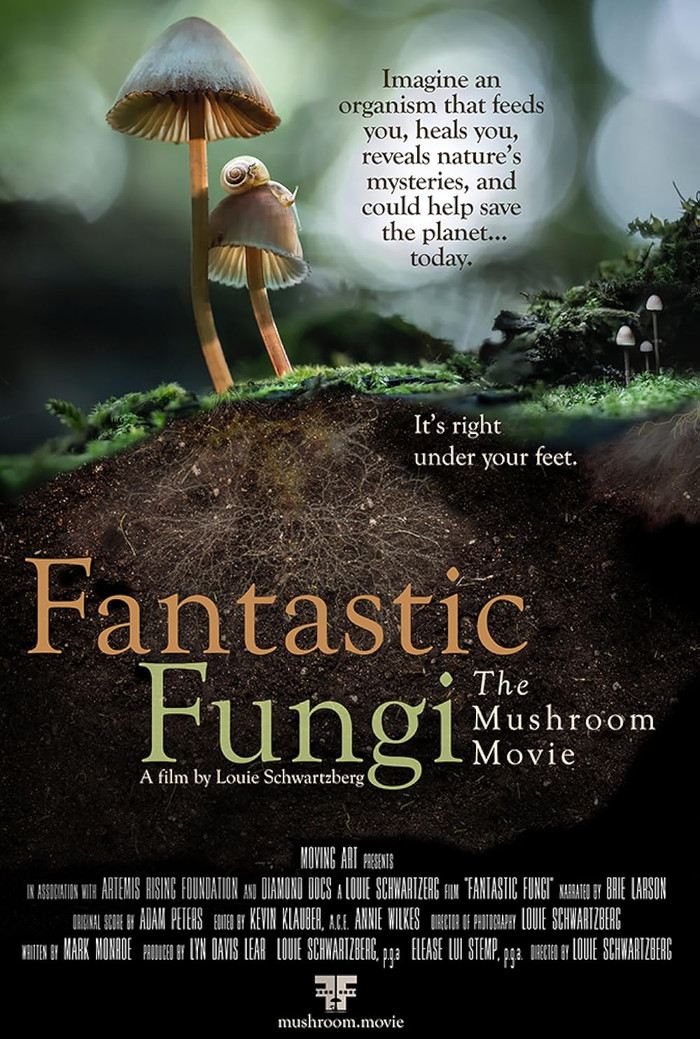
Fantastic Fungi
2019
Time-lapse photography, Paul Stamets, and the mycelial networks under everything. The most beautiful film on this list.
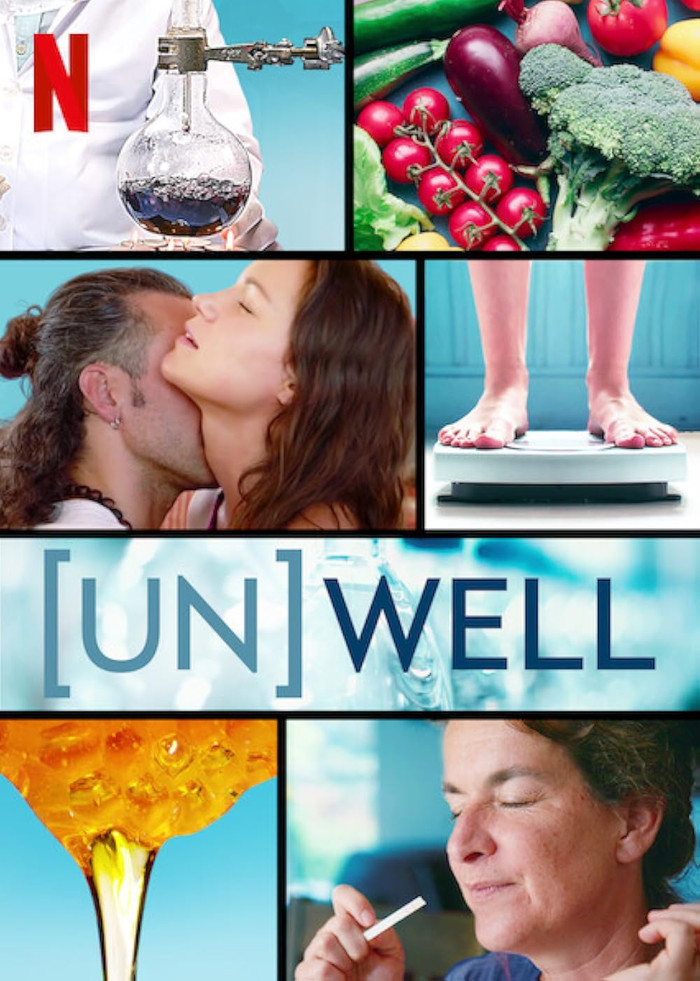
Unwell
2020
Six episodes on the wellness industry — essential oils, fasting, tanning, ayahuasca — that lets believers and sceptics both speak and does not resolve it for you.
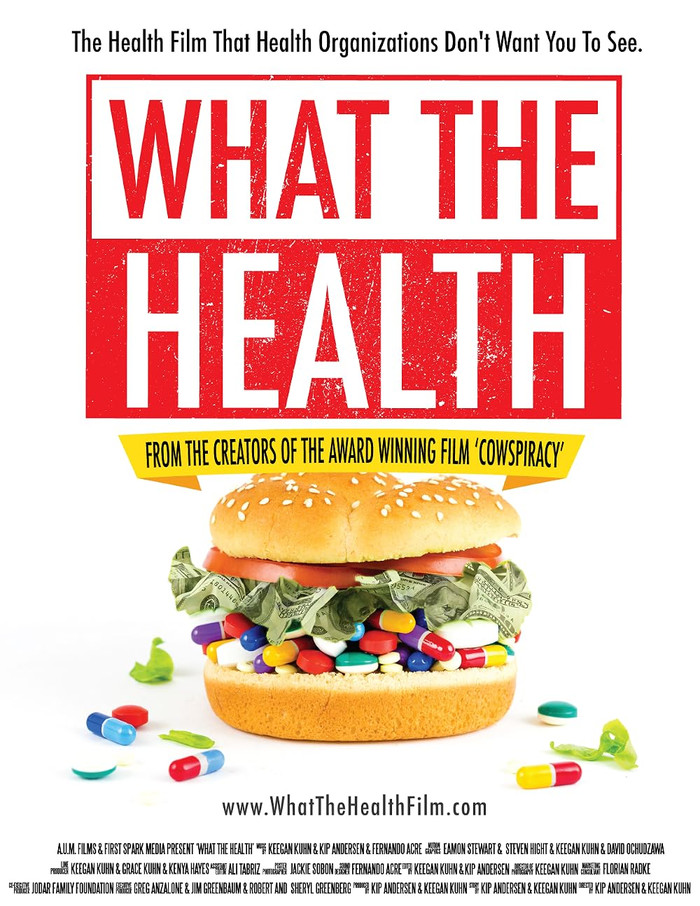
What the Health
2017
The link between processed food, meat and chronic disease, argued hard. Take the certainty with some salt and the questions seriously.
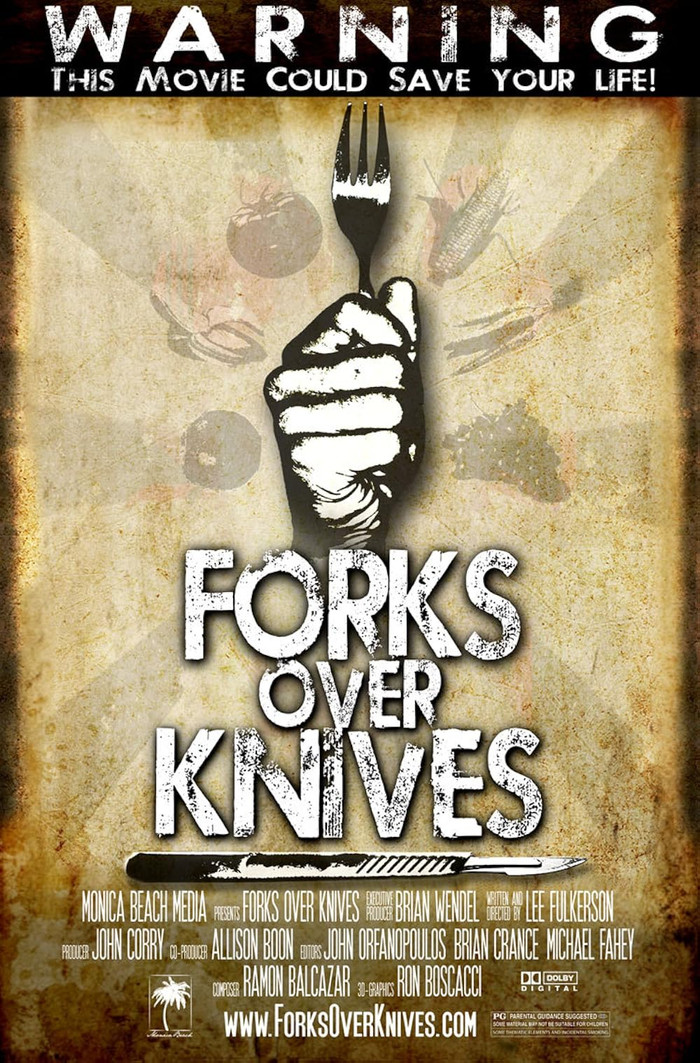
Forks Over Knives
2011
The film that put whole-food plant-based eating in front of a mass audience, built on the China Study and on two researchers’ life work.
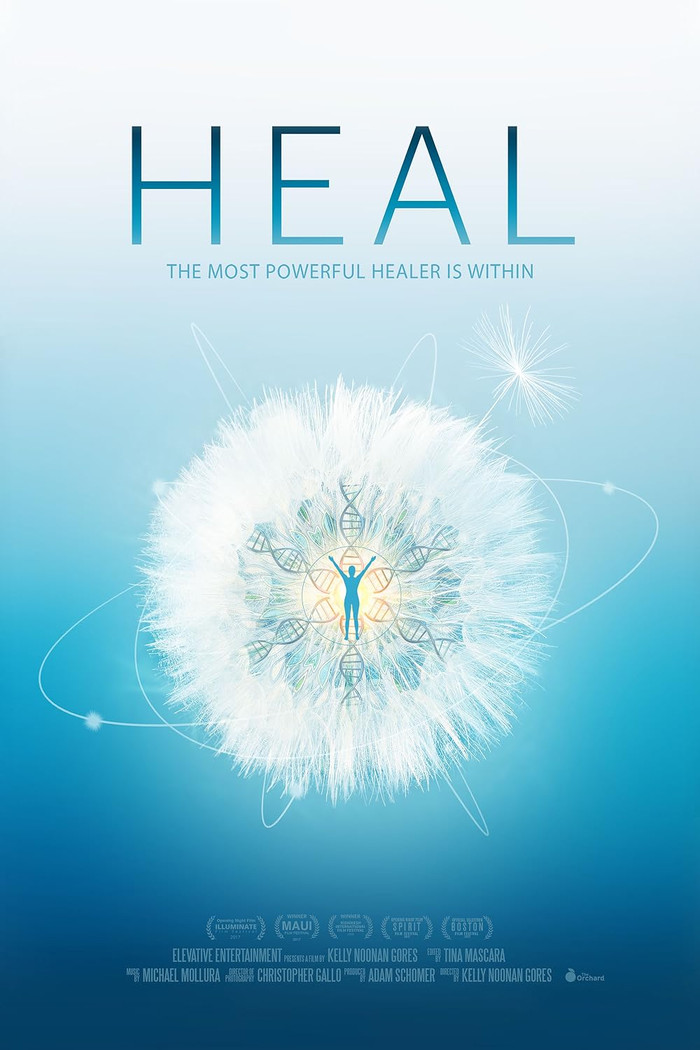
Heal
2017
The mind-body connection, followed through three people living with serious illness. It overreaches in places; the material on stress physiology is solid.
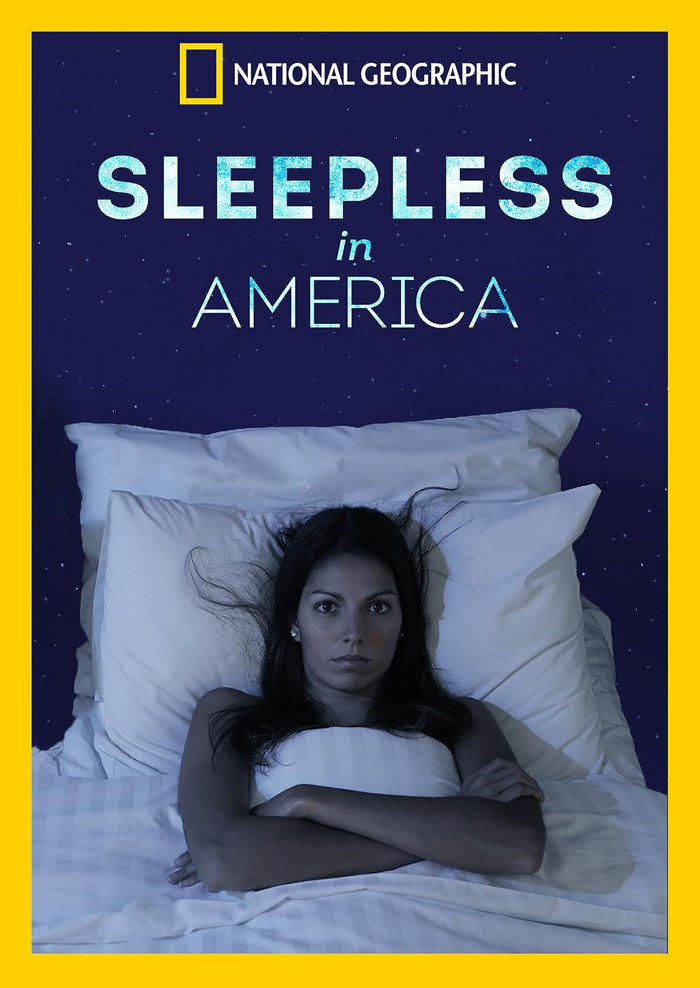
Sleepless in America
2014
National Geographic on what sleep deprivation does to a country — accidents, illness, children, doctors on shift.
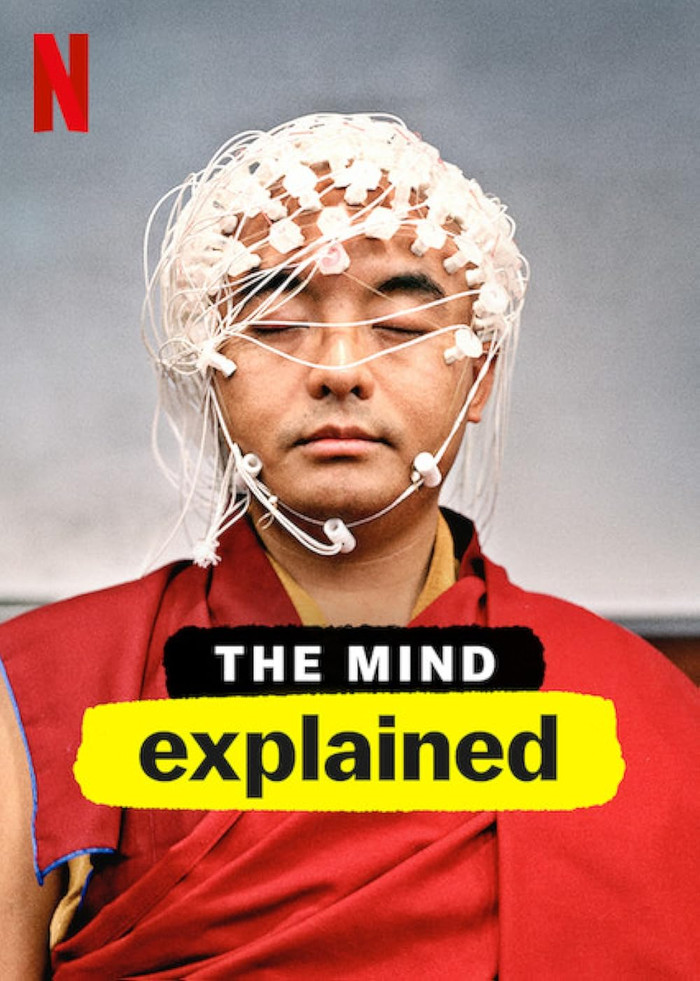
The Mind, Explained
2019
Twenty-minute episodes on memory, anxiety, dreams and psychedelics, narrated by Emma Stone. The best short introduction to the brain on television.
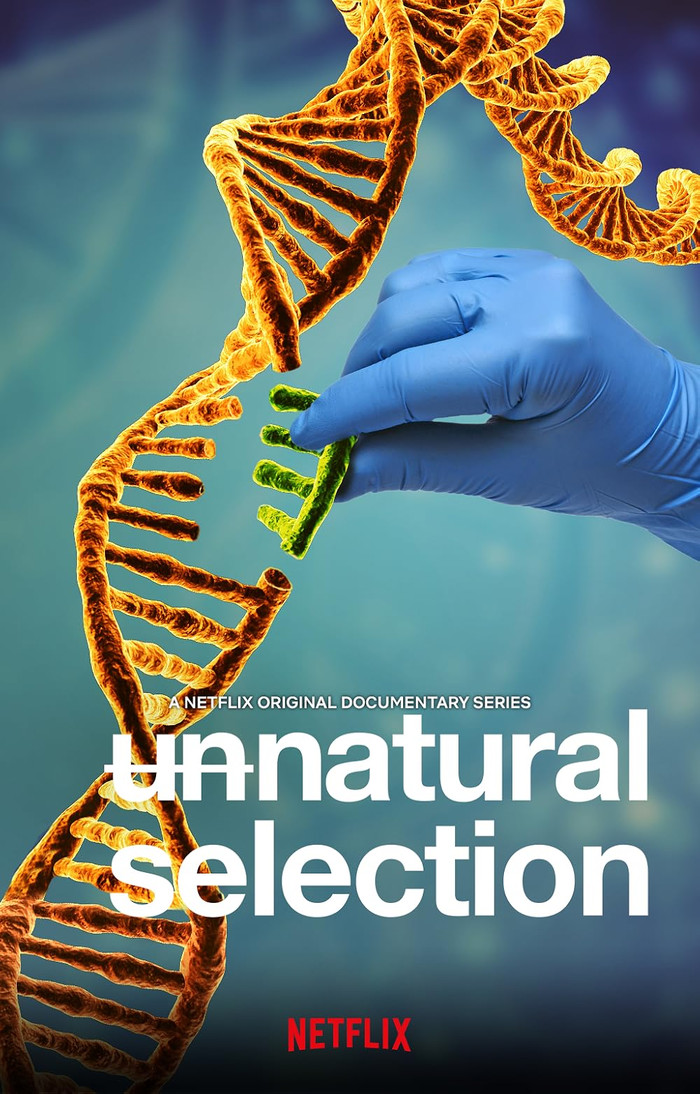
Unnatural Selection
2019
CRISPR in the wild — biohackers editing themselves in garages, and the scientists trying to decide what the rules should be.
Get the Map. It is free, and it is the whole field on one page.
The Longevity Map will guide you to a longer, healthier and more fulfilling life. It gives you a helicopter view on all branches of the longevity field.