

Longevity Advocate
The people who inspired us

Learning from the voices shaping human longevity.

Not just interviews. Most of them invited us into their homes, their labs and their universities — Harvard, Stanford, Oxford, Cambridge, NUS and beyond. 165 conversations, filmed over a year on the road, with more than 100 experts.

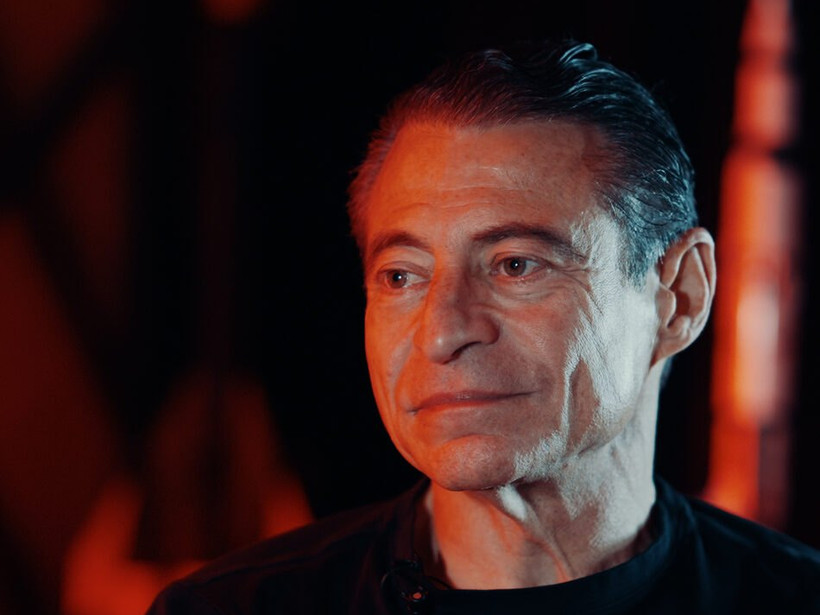
Peter Diamandis
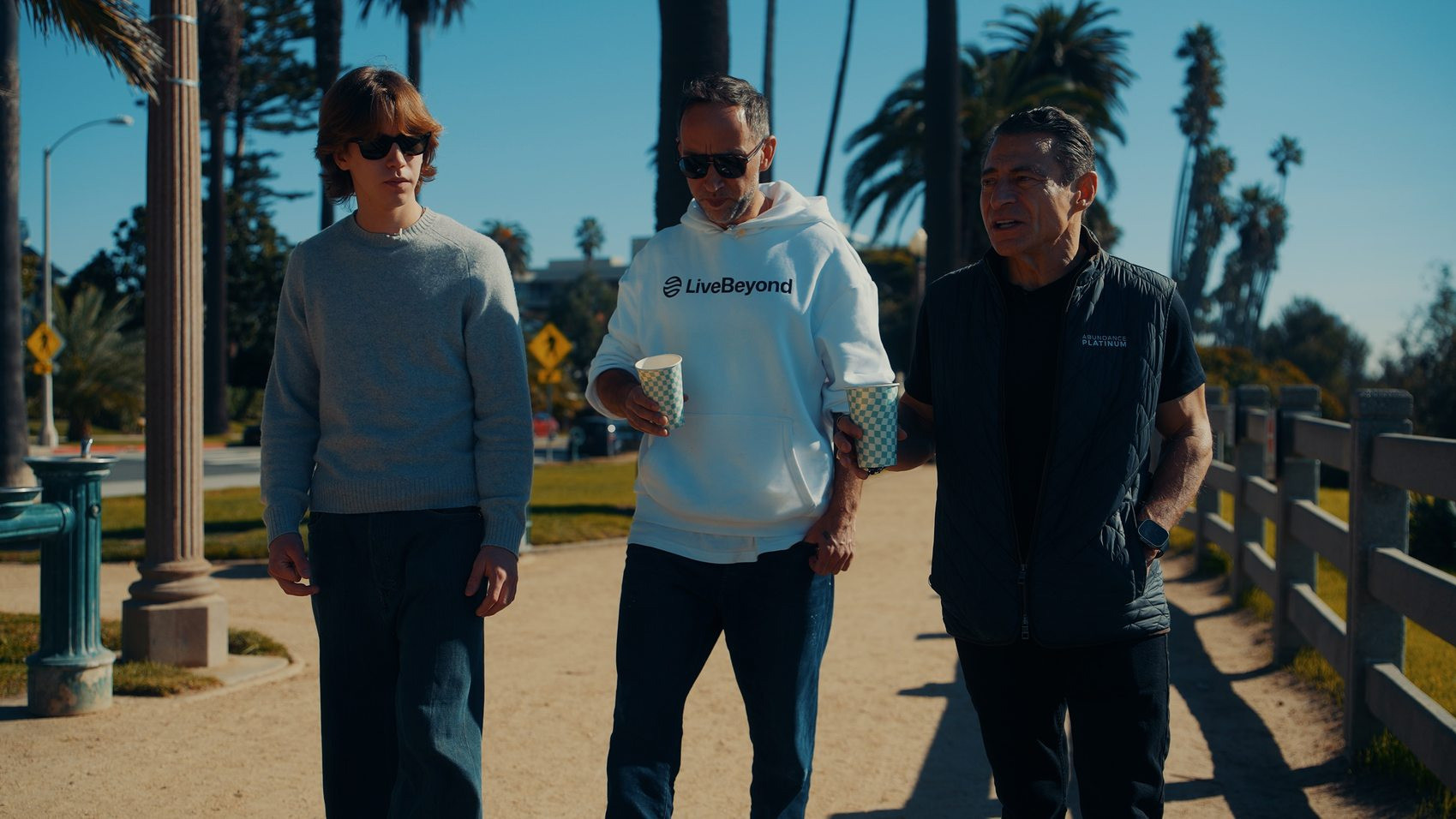
Peter DiamandisFounder of XPRIZE & Abundance360 — walking interview, Los Angeles

Back to the faces at the top

30 of them, properly

Who they are, how we met, and one thing each of them said.

Each of these people has a full page waiting on the Live Beyond Hub — the whole conversation, the footage, and what they are working on now. The Hub opens in September.

Peter Diamandis

Peter Diamandis

Founder of XPRIZE & Abundance360 — walking interview, Los Angeles

Peter H. Diamandis is an engineer, physician, entrepreneur and futurist — and one of the most influential optimists alive. He is founder and executive chairman of the XPRIZE Foundation, whose incentive prizes have driven billions in R&D, and co-founder of Singularity University.

He came to longevity through space. As a young man he built space organisations and helped light the fuse for commercial spaceflight — then realised he "needed an extra fifty years" to see the future he was dreaming of. So he turned to longevity "first and foremost," co-founding Human Longevity, Fountain Life and Lifeforce, and the venture fund BOLD Capital.

“The only day more exciting than today is tomorrow — and I get to see a lot of tomorrows.”Peter Diamandis

Full page on Live Beyond — opening in September
George Church

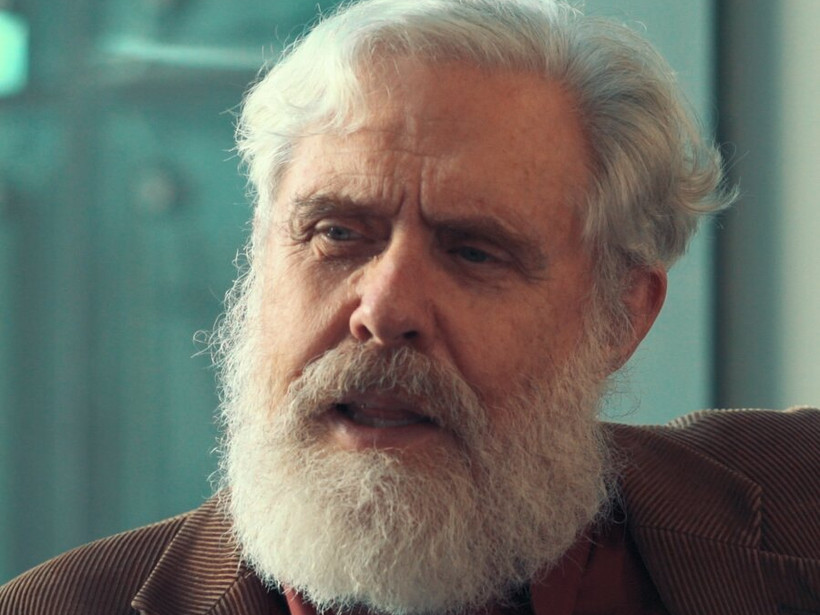
George Church

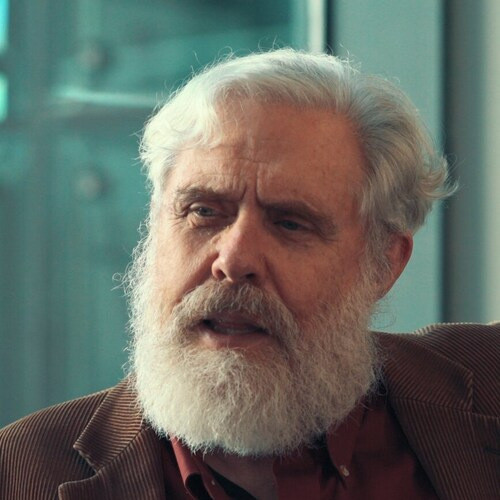
Professor of Genetics, Harvard

George Church is a geneticist and molecular engineer so central to the genomic age that he's often called the father of genetics. He is a professor at Harvard Medical School and MIT and a core faculty member of Harvard's Wyss Institute — and in 2017 Time named him one of the 100 most influential people in the world.

He helped write the toolkit of modern biology: an early architect of direct genome sequencing, a co-developer of CRISPR gene editing, and the founder of the Personal Genome Project — for which he volunteered as patient zero. Along the way he has co-founded dozens of biotech companies spanning gene therapy, age reversal, synthetic biology and DNA data storage.

“I used to tell my son that when he’s in his thirties, we’ll look like brothers. Do you think that’s achievable?”George Church

Full page on Live Beyond — opening in September
Liz Parrish

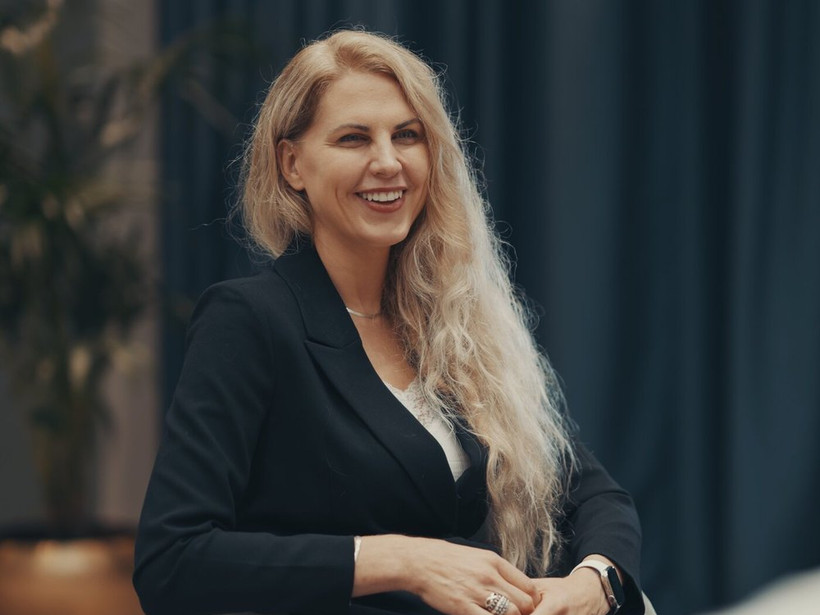
Liz Parrish

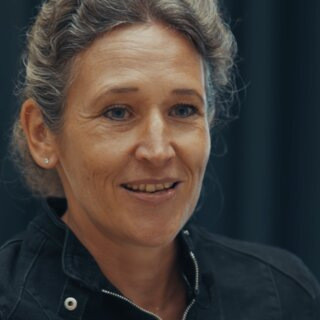
CEO of BioViva · Seattle

Elizabeth "Liz" Parrish is the Founder and CEO of BioViva Sciences, a biotechnology company working to extend healthy human lifespan through gene therapy. A mother and humanitarian, she came to this field not to live forever, but because her son was diagnosed with a serious condition — and she realised the tools to do better already existed.

In 2015 she became known as "patient zero" — the first person to undergo experimental gene therapy to target aging itself, choosing two genes: telomerase reverse transcriptase and follistatin. In 2020 she went further, adding klotho and PGC-1α. BioViva now works to combine these into a single, more precise delivery platform.

“Now that we've met all over the world, we're like family.”Liz Parrish

Full page on Live Beyond — opening in September
Brian Kennedy

Brian Kennedy

Professor, NUS Singapore

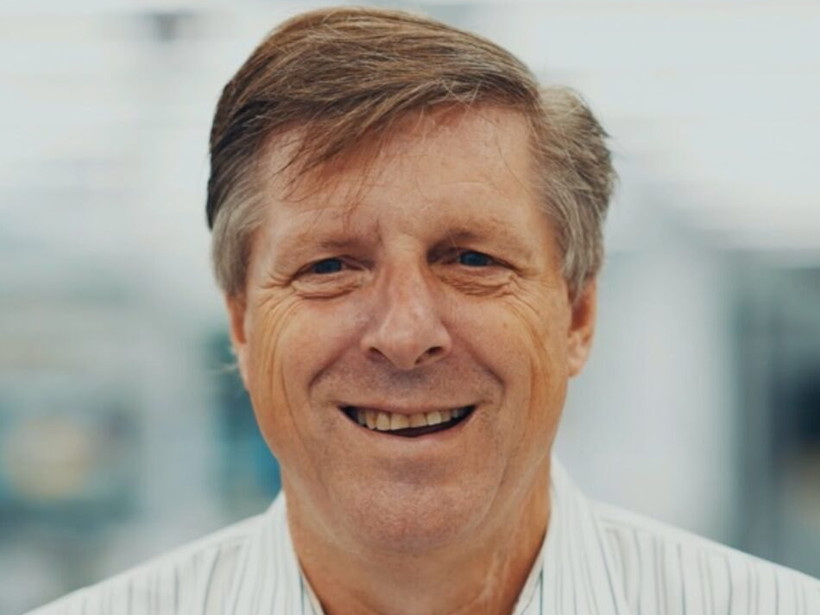
Prof. Brian K. Kennedy is one of the world's foremost biologists of aging. He is Distinguished Professor of Biochemistry and Physiology at the National University of Singapore, and Director of the Centre for Healthy Longevity at the National University Health System — with a PhD in biology from MIT.

His research helped uncover the roles of the mTOR pathway and the sirtuins in aging — pathways that began, improbably, in yeast cells and turned out to be conserved all the way to humans. Rapamycin, the mTOR inhibitor his field rallied around, is the single most robust intervention known to extend lifespan in animals; Brian now runs human clinical studies (alpha-ketoglutarate, rapamycin) to see what actually moves biologic age.

“I'm glad you came to Singapore — you can see a little bit of Southeast Asia.”Brian Kennedy

Full page on Live Beyond — opening in September
Eric Verdin

Eric Verdin

President, Buck Institute

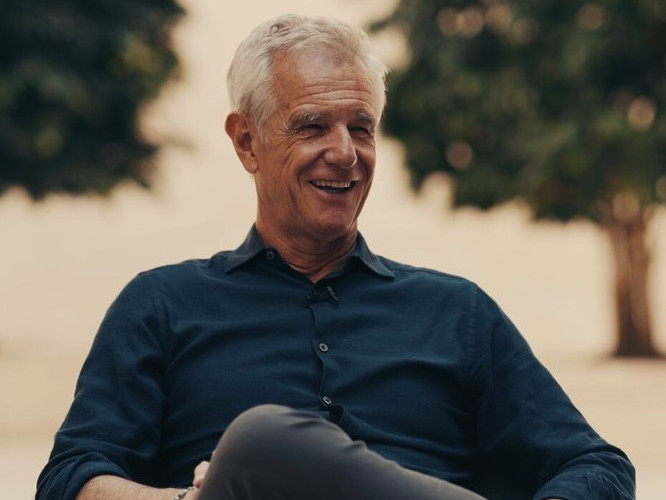
Dr. Eric Verdin is President and Chief Executive Officer of the Buck Institute for Research on Aging in Novato, California — the world's first independent research institute dedicated to understanding why we age. He has led the Buck for the past decade.

A physician-scientist, his lab studies how nutritional states — from fasting protocols to obesity — regulate critical metabolic pathways such as NAD+ metabolism and ketone body synthesis, and how those pathways shape both metabolic health and the aging immune system. He is the author of more than 300 peer-reviewed papers and 20 patents, and ranks among the world's top 1% most-cited scientists.

“When you're ready to create Buck X — your version of Google X for longevity — I'm in.”Eric Verdin

Full page on Live Beyond — opening in September
Andrea Maier

Andrea Maier

Professor, NUS Singapore

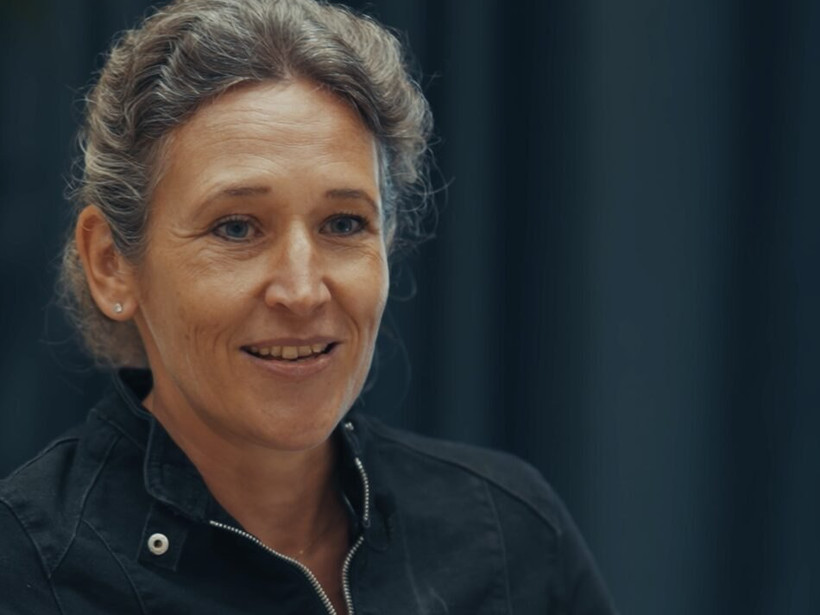
Prof. Andrea B. Maier is one of the world's leading healthy-longevity physicians. She is the Oon Chiew Seng Professor in Medicine at the NUS Academy for Healthy Longevity (which she co-founded in 2023) and Director of the Centre for Healthy Longevity — and Professor of Gerontology at VU Amsterdam.

In 2022 she founded Chi Longevity, Asia's first evidence-based, tech-enabled precision-geromedicine clinic. She is also the founding President of the Healthy Longevity Medicine Society, working to make "health and longevity medicine" a recognised specialty — optimising healthspan by targeting the aging process itself, not just screening for disease.

“This is the most exciting time in longevity — and now there's the acceleration.”Andrea Maier

Full page on Live Beyond — opening in September
Olivia Lesslar

Olivia Lesslar

Longevity Doctor · on stage, Berlin

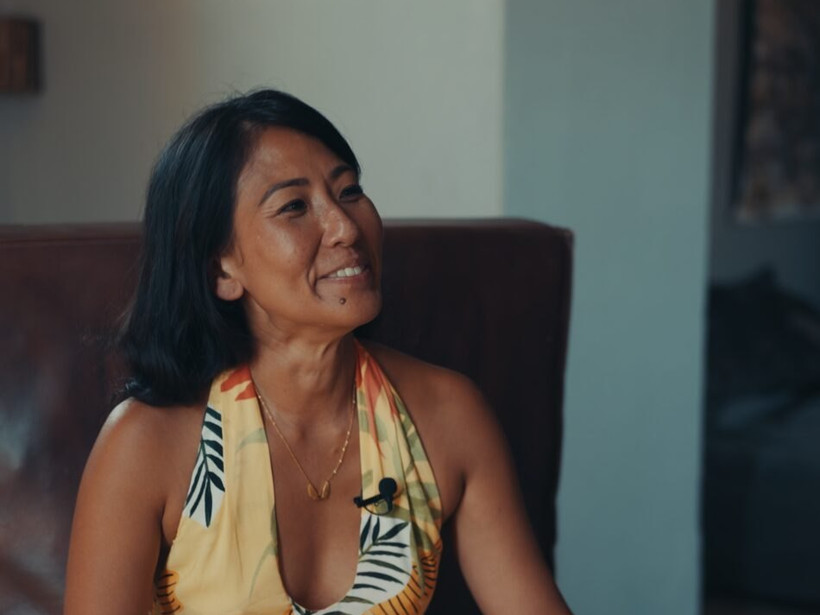
Dr. Olivia Ly Lesslar is an Australian physician specialising in psychoneuroimmunology and longevity medicine — the science of how the mind, nervous system, immune system and hormones are all in constant conversation. Colleagues call her a "medical Sherlock Holmes" for untangling complex, multi-system conditions that defy the usual playbook.

She is Director of Functional and Longevity Medicine at Cingulum Health in Sydney, where she blends neuroplasticity-based therapies and transcranial magnetic stimulation with functional medicine, and works with concierge longevity clinics abroad — caring for patients that include some of the world's most recognisable names. She holds academic appointments at Griffith University's National Centre for Neuroimmunology and at the Geneva College of Longevity Science, and advises 30+ health-tech companies across neurotech, biotech and space medicine.

“I really like it when I meet the same longevity people all around the world.”Olivia Lesslar

Full page on Live Beyond — opening in September
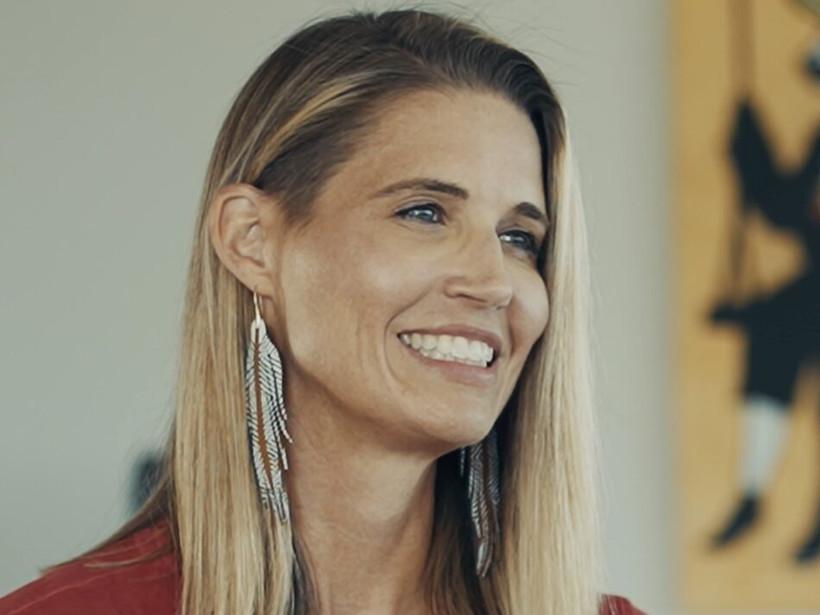
Amy Killen

Amy Killen

Longevity MD · Salt Lake City

Dr. Amy Killen is a board-certified physician and one of the most recognisable voices in regenerative and longevity medicine. She trained and worked for a decade as an emergency physician in Texas — until a burnt-out, sleep-deprived stretch made her rethink everything, and rebuild her life and her medicine around health rather than crisis.

Today, from Salt Lake City, she focuses on the parts of longevity others skip: hormones, stem cells and exosomes, skin, and sexual health. She and her partner pioneered the "Full Body Stem Cell Makeover," and she's known for a truth few in the field say out loud — that sexual health is a genuine marker of longevity.

“As someone who has kids, this is a once-in-a-lifetime thing — treasure it.”Amy Killen

Full page on Live Beyond — opening in September
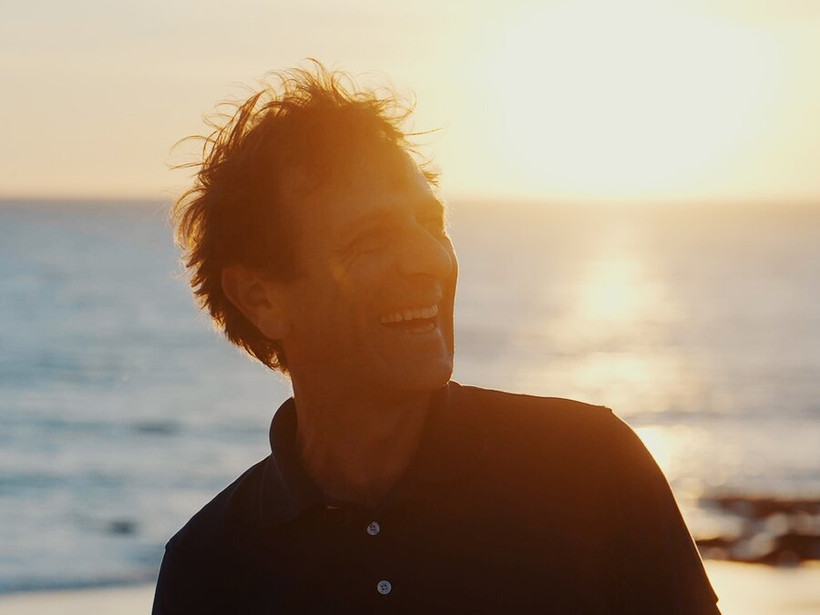
Vittorio Sebastiano

Vittorio Sebastiano

Reprogramming Scientist, Stanford

Prof. Vittorio Sebastiano is a developmental and reproductive biologist — and one of the pioneers of partial epigenetic reprogramming. He is Professor of Biological Chemistry at the Center for Epigenetics and Metabolism at UC Irvine, and an adjunct professor at Stanford, where the science began.

His analogy: a cell works like a language. DNA is the alphabet; the epigenetic program is the grammar that decides which genes are switched on or off. With age, those rules become dysfunctional — and his lab was the first to show, in human cells, that they can be reset to a youthful state.

“Today it seems science fiction. Tomorrow it's reality — we just have to face it rationally.”Vittorio Sebastiano

Full page on Live Beyond — opening in September
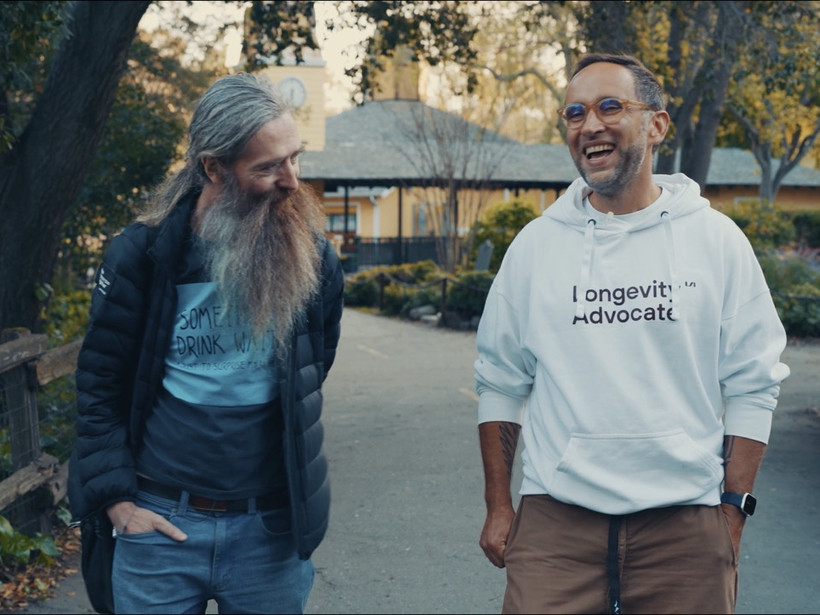
Aubrey de Grey

Aubrey de Grey

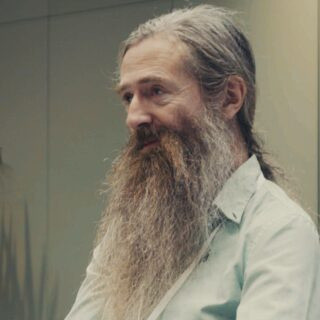
LEV Foundation · Los Gatos

Dr. Aubrey de Grey is one of the world's most influential biomedical gerontologists — more than anyone, the person who reframed aging as a problem we can actually solve. He is President and Chief Science Officer of the LEV Foundation (Longevity Escape Velocity), which he founded in 2022.

His central insight: aging is simply the lifelong accumulation of molecular and cellular damage — and damage can be repaired. Because small molecules can only slow the creation of new damage, he argues, truly defeating aging will require gene therapies and cell therapies, not wonder drugs. That conviction drives the LEV Foundation's landmark Robust Mouse Rejuvenation study: a 1,000-mouse experiment combining several interventions in middle-aged mice — "the single most important experiments going on in the entire community."

“Thank you for supporting us on this journey." — "Pleasure. Absolutely.”Aubrey de Grey

Full page on Live Beyond — opening in September
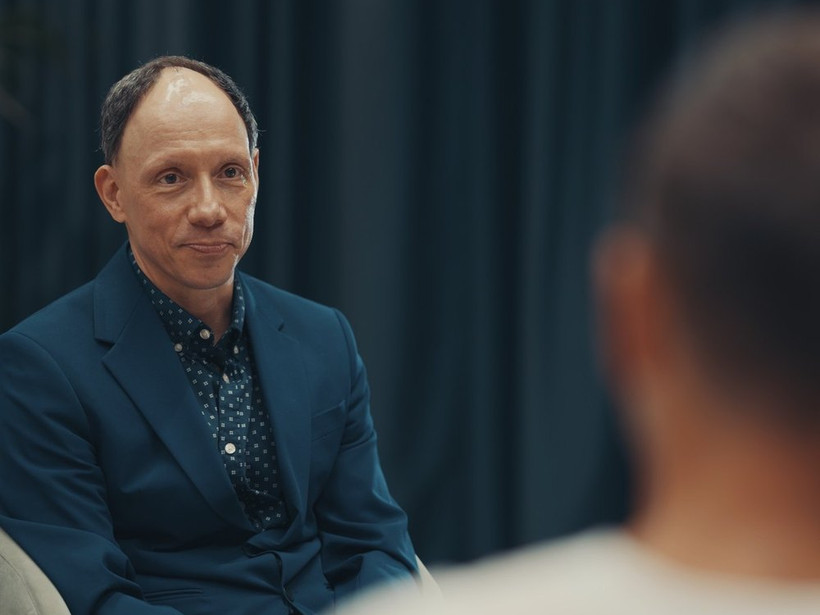
Steve Horvath

Steve Horvath

Inventor of the epigenetic clocks · Co-founder, the Clock Foundation

Almost every conversation on this quest eventually reaches a number — someone’s biological age, measured against the years they have actually lived. That number exists because of Steve Horvath. The epigenetic clocks the whole field now runs on carry his name.

The method reads cytosine methylation — chemical marks on DNA that shift in a startlingly regular way as an organism ages. From those marks his group can estimate biological age, and can predict the maximum lifespan of a species reasonably well, including when they turned the method on humans.

“Everybody talks about biological age, but nobody really knows how to measure it.”Steve Horvath

Full page on Live Beyond — opening in September
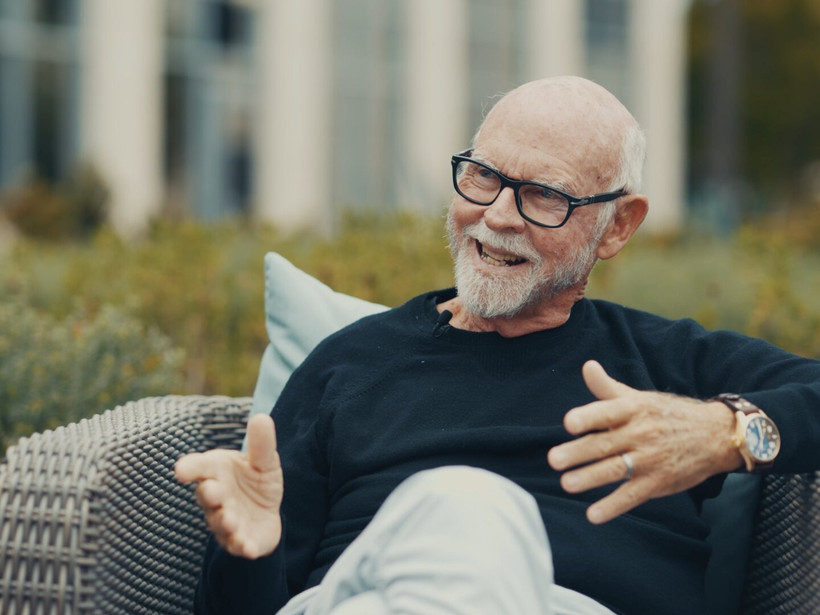
Craig Venter

Craig Venter

Genomics pioneer · sequenced the human genome

J. Craig Venter is one of the most influential scientists in the history of genomics. He led the private effort that first sequenced the human genome, later built the first cell controlled entirely by a synthetic genome, and mapped the microbial life of the world's oceans.

He founded the J. Craig Venter Institute, where he serves as founder, CEO and chair, and co-founded Human Longevity Inc. (HLI) to bring deep genomic sequencing and whole-body imaging to individuals — turning the tools of big science into a personal health check.

Craig Venter died in April 2026, at 79. We met him on the quest — an amazing scientist and a personality who advanced the science hugely.

“In 53% of people, we find a major disease that they were unaware they had.”Craig Venter

Full page on Live Beyond — opening in September
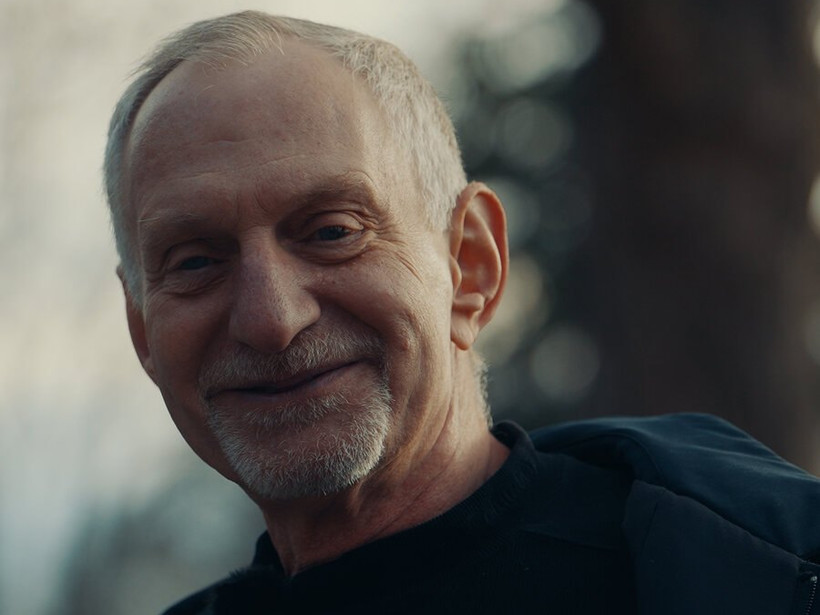
Robert Waldinger

Robert Waldinger

Director, Harvard Study of Adult Development

Robert Waldinger is a psychiatrist, Zen priest and professor at Harvard Medical School — and the director of the Harvard Study of Adult Development, the longest-running study of adult life ever conducted. For more than 85 years it has followed the same people — and now their children — asking a simple question: what makes a good life?

Its clearest answer surprised even the researchers. It isn't wealth, or fame, or working harder. Good relationships keep us happier and healthier. How connected and satisfied people were in their relationships at 50 predicted their physical health at 80 better than their cholesterol did.

“There's a very strong connection between how good our relationships are — and not just how happy we are, but how healthy.”Robert Waldinger

Full page on Live Beyond — opening in September
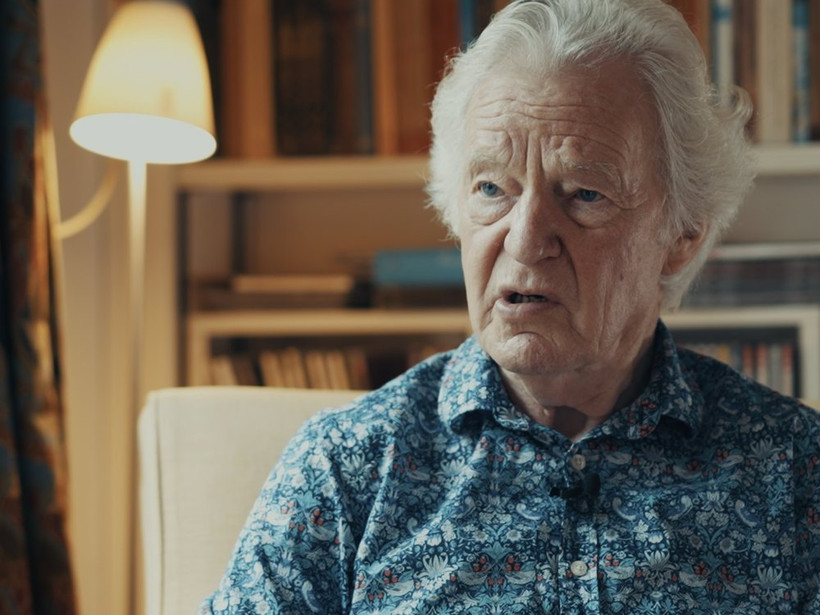
Sir Muir Gray

Sir Muir Gray

Prevention pioneer · Oxford

Sir Muir Gray is the reason British medicine asks for evidence. Building on Archie Cochrane’s work from 1971 — back when, as he puts it, whatever the most senior doctor in the room said was simply the truth — he set up the world’s first Centre for Evidence-Based Medicine in Oxford, recruiting David Sackett to run it in a conversation at Toronto Airport. He then wrote the book on evidence-based healthcare, and extended the idea into public health.

He is careful that this was never cookbook medicine. A decision has to combine three things: the evidence from studying groups of people, the condition of this individual, and the values of that individual or population. That last element is where his thinking has moved since — beyond evidence-based toward value-based care, on the grounds that something being in the evidence base does not make it valuable to the person in front of you.

“Ageing is not a cause of major problems for the majority of people. The evidence is that there are three other processes taking place.”Sir Muir Gray

Full page on Live Beyond — opening in September
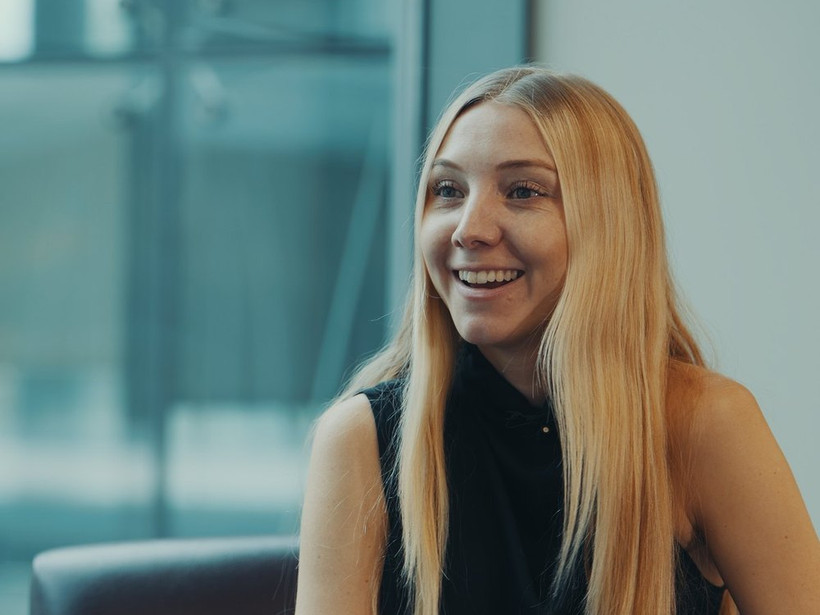
Allison Duettmann

Allison Duettmann

CEO, Foresight Institute

Allison Duettmann runs the Foresight Institute, which she found online while writing a thesis on AI and philosophy in the UK, and which was founded in 1986 — before she was born. What struck her about it then is what she runs it on now: a rare mix of people genuinely ambitious about the long-term future while staying grounded in science and technology.

Foresight was an early gathering point for thinking about the long-term implications of nanotechnology, biotechnology, neurotechnology, AI and space — and, crucially, not only for thinking. The work is figuring out what a positive path through each of them looks like, then funding it, supporting it and helping build it. Based in the Bay Area, with fellows and grantees across Europe, the US east coast and growing cohorts in sub-Saharan Africa.

“I didn’t want to sleep, because sleeping reminded me of dying. And I couldn’t understand why no one else was worried about it.”Allison Duettmann

Full page on Live Beyond — opening in September
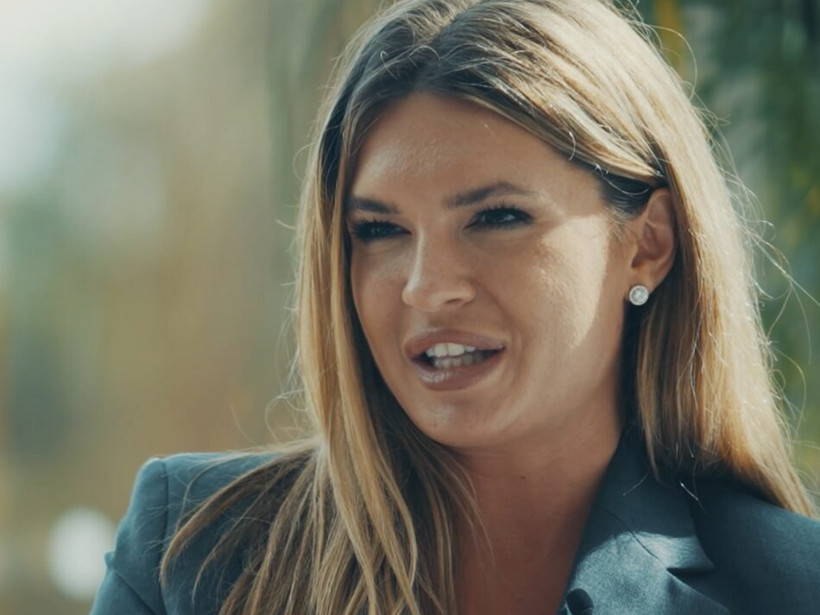
Staša Stanković

Staša Stanković

Geneticist · University of Cambridge

Dr Staša Stanković is a reproductive geneticist with a PhD in Reproductive Genomics from the University of Cambridge. She studies why the ovary ages faster than any other organ — and how the genetic code behind it can be rewritten to extend women's fertility and healthspan.

Women's health, she says, sat "under the veil of taboo" for far too long — until 1993 women weren't even required in clinical trials. Working with the UK Biobank (around 200,000 women), her team mapped roughly 300 genetic determinants of ovarian aging and the age at which menopause begins.

“When I'm thirty, my ovaries are almost geriatric. That's why this matters.”Staša Stanković

Full page on Live Beyond — opening in September
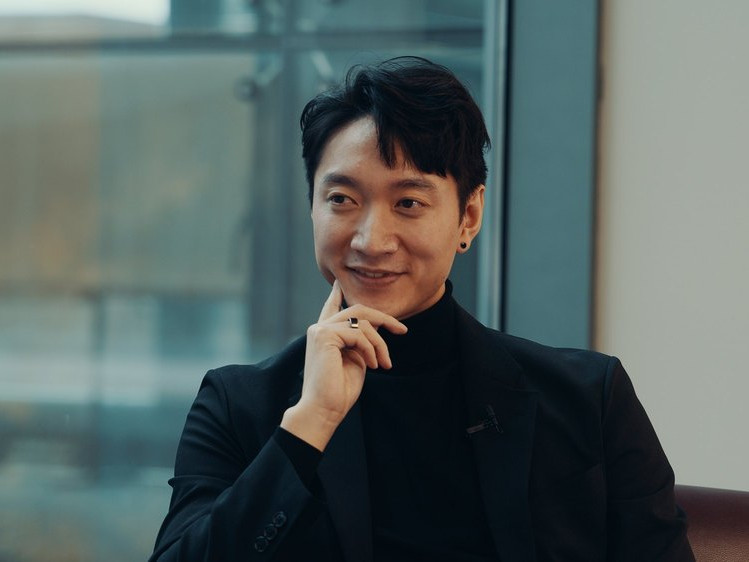
Nathan Cheng

Nathan Cheng

Founder, Longevity Biotech Fellowship

Nathan Cheng co-founded the Longevity Biotech Fellowship, a nonprofit whose job is deceptively simple: find the smartest people who already believe aging is worth solving, and get them actually working on it. Every applicant is screened and interviewed. Cohorts of fifty to a hundred spend four intense days somewhere out in the forest — biologists alongside machine-learning researchers, software engineers, founders and investors — drilling into the specific technical bottlenecks standing in the way. Five cohorts so far, on several continents.

He also co-founded the Vitalism Foundation, which exists to make solving aging and death humanity’s number one priority — with a single headline number attached: 1% of global GDP.

“Life is good. The universe is so mysterious and so beautiful and wondrous at the same time. But then we have this kind of imposed expiration date.”Nathan Cheng

Full page on Live Beyond — opening in September
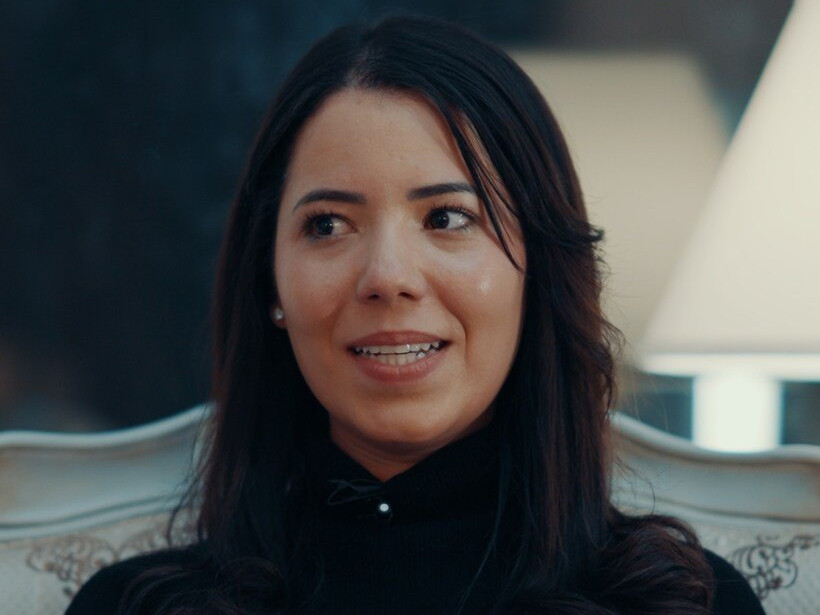
Raiany Romanni

Raiany Romanni

Longevity researcher & writer · Harvard

Raiany Romanni is a bioethicist who thinks about the biggest question a civilization can ask: what should we do — in which direction should we advance? Her answer is unambiguous. There is, she argues, no goal more important than the quest for life.

Extending life and diminishing suffering, she points out, has always been the goal of medicine — antibiotics and heart transplants already do it. In the twentieth century we doubled life expectancy; what we haven't yet done is add the matching healthy years. That, she says, is the direction to go.

“Life extension is the single most important thing we should be working towards — life is what underlies the possibility of everything else.”Raiany Romanni

Full page on Live Beyond — opening in September
Oz Garcia

Oz Garcia

Longevity & nutrition expert · New York

Oz Garcia is one of New York's most sought-after nutritionists — an author and adviser to celebrities, executives and athletes on how to eat for energy, performance and a longer, better life. He's a student of food itself: where it comes from, how it's made, and what it does to us.

His central distinction is simple and sharp: real food versus anti-nutrients. Much of what fills a modern supermarket, he says, has been modified so thoroughly — processed oils, starches, proteins — that it no longer feeds the body. "Cheese" that comes out of a can and sprays onto a cracker, he notes, is no longer food at all.

“Processed foods are modified so they no longer provide nutrition — we'd call them anti-nutritious, anti-nutrient.”Oz Garcia

Full page on Live Beyond — opening in September
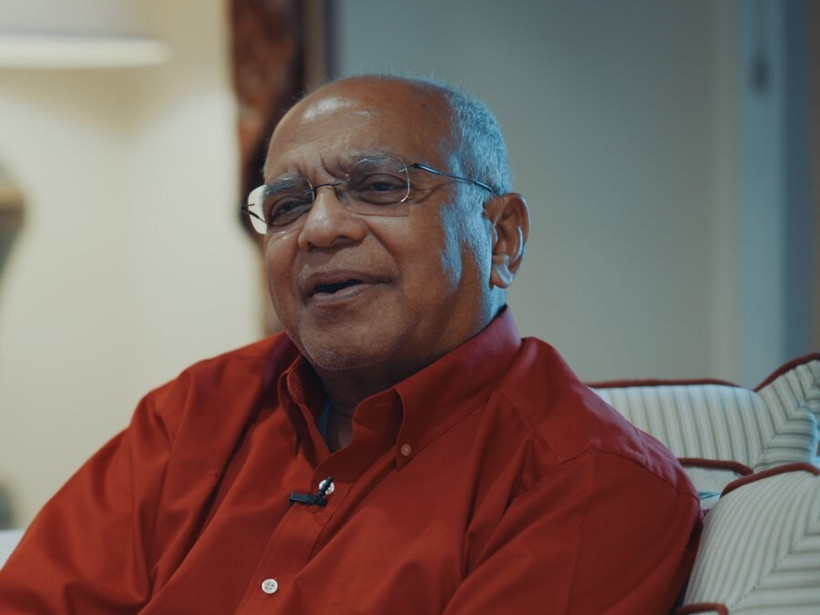
Srikumar Rao

Srikumar Rao

Speaker & author on meaning and joy

Srikumar Rao is an author, TED speaker and business-school professor whose course "Creativity and Personal Mastery" became one of the most celebrated electives at Columbia, London Business School and beyond — the rare business class that asks students what they actually want from a life.

He resists the title of teacher. "I'm not really teaching anybody anything," he told us. "I'm just sharing my life story and some of the lessons that I learned."

“You cannot give up desire. Desire has to give you up.”Srikumar Rao

Full page on Live Beyond — opening in September
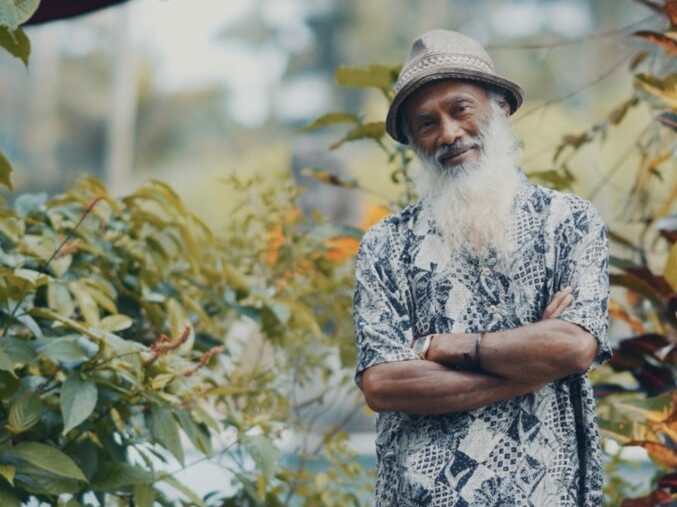
Master Ketut Arsana

Master Ketut Arsana

Balinese healer & yogi · Bali

Master Ketut Arsana is a Balinese healer and yoga master — founder of Kundalini Tantra Yoga and of Ubud Bodyworks and the Omham Retreat in Ubud, Bali. A healer since childhood, he traces his path to near-death experiences at eight and a long line of ancestral healers before him.

He began yoga at eleven and has never stopped — more than fifty years of practice across Hatha, Ashtanga, Iyengar and beyond, which he eventually distilled into his own living form. He built his ashram from nothing, teaching himself painting, sculpture, building and gardening along the way, and today guides students from Bali to Japan and Australia.

“Why do we have a life? That is the most important thing to understand — why you have a life, and for what.”Master Ketut Arsana

Full page on Live Beyond — opening in September
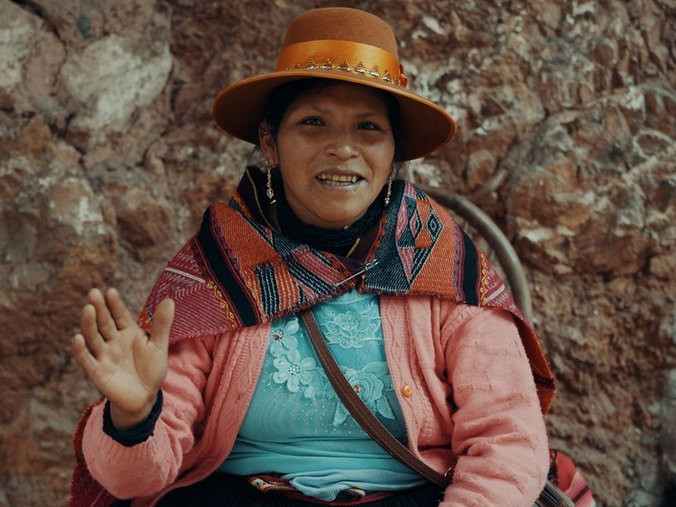
Maestra Lucia

Maestra Lucia

Shipibo healer · Peru

Maestra Lucia is a healer from the Q’eros community in the region of Paucartambo — about eight hours from Cusco. On a quest that spent most of its time in laboratories, she represents something none of the scientists could: a body of knowledge handed down, in place, for a very long time.

It runs in her family. Her grandparents were altomisayoq — the highest rank of Andean shamanism. She watched them work from the time she was very small and began learning at around ten or twelve. She has been working with the medicine herself for roughly eight years, since she left Q’eros.

Full page on Live Beyond — opening in September
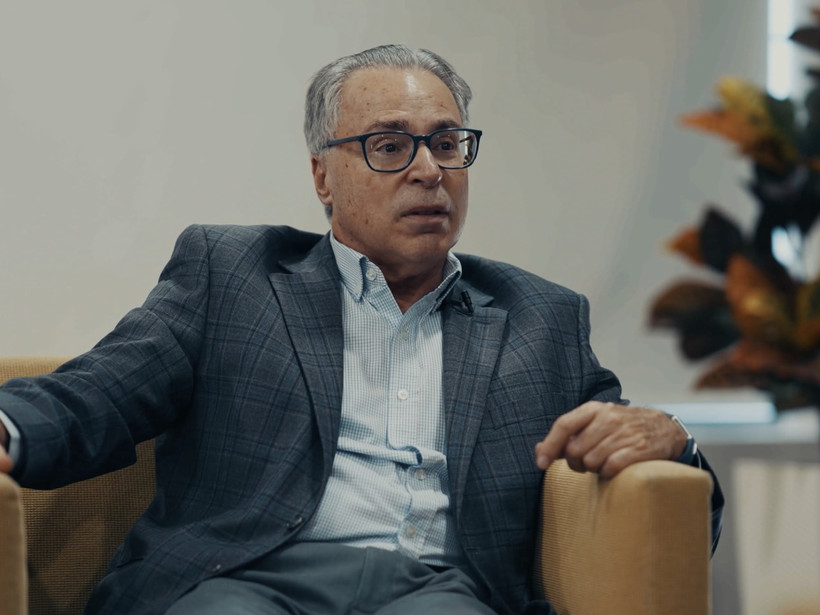
Nir Barzilai

Nir Barzilai

Longevity geneticist · Einstein · TAME trial

Nir Barzilai is a physician-scientist who built his career on a simple, awkward question: why do some people reach a hundred in good health while their contemporaries do not? His work on the genetics of exceptional longevity put centenarians at the centre of ageing research, and he has spent years arguing that ageing itself can be targeted by a drug — with metformin as the test case.

The most practically useful thing he told us is about timing. He is often quoted as saying metformin is for after fifty, and there are two reasons. The first is evidence: seven decades of research recruited people over fifty, with an average age nearer sixty-five. The second is mechanism — metformin lowers growth hormone, and in some men lowers testosterone. When you are young and still building, that is a trade you do not want.

“Seventeen, eighteen year olds look at their grandparents and say: what happened to them? That’s where you’re going. And you get there faster than you think.”Nir Barzilai

Full page on Live Beyond — opening in September
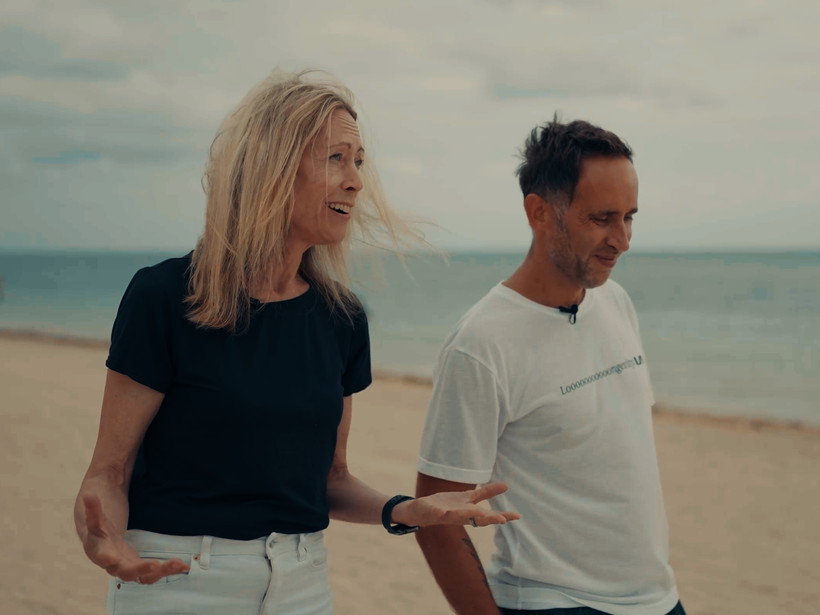
Tina Woods

Tina Woods

Founder, Longevity International · UK

Tina Woods is a longevity activist and systems entrepreneur on a mission to make healthy longevity accessible to everyone — not just the wealthy. She is the founder of Collider Health and Longevity International, and works with governments in the UK, India and the Gulf on the policy and systems of health.

Her conviction is refreshingly grounded: the recipe for a long life is mostly the basics, and the Blue Zones already show us what they are — fresh food, movement built into daily life, community, and a strong sense of purpose. As she puts it, it's "everything your grandmother used to tell you."

“It's everything your grandmother used to tell you — eat your greens, get enough sleep, keep active, and hang out with your friends.”Tina Woods

Full page on Live Beyond — opening in September
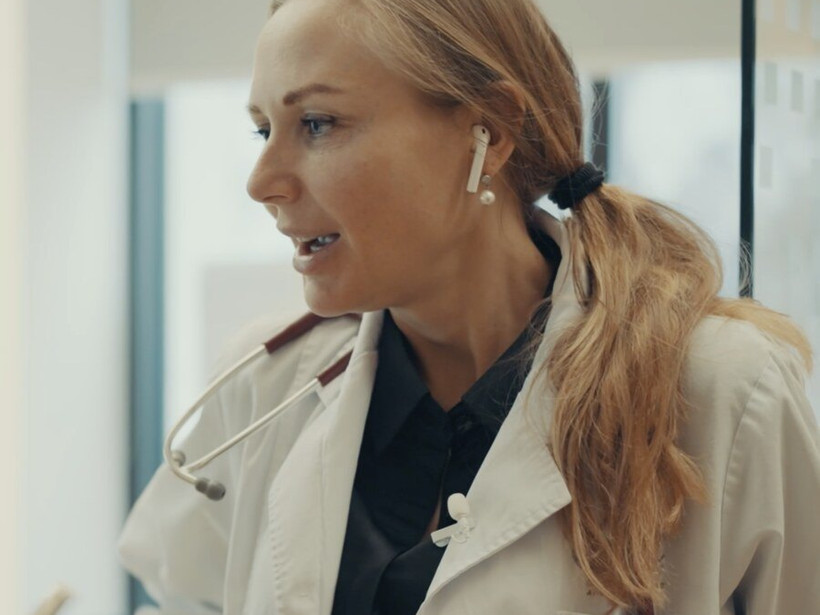
Evelyne Bischof

Evelyne Bischof

Longevity physician · Shanghai

Dr Evelyne Bischof is a practising physician in Shanghai working in two fields at once — oncology and longevity medicine — and her argument is that the separation between them is artificial and expensive.

She is a clinician first, and says so: you react to the need when there is illness, that is what she was trained for, and it is her passion rather than merely her job. But there also has to be a frontier. Her framing is that longevity is fuelled by sick care, and that sick care in turn has a great deal to gain from longevity diagnostics and interventions.

“Longevity is fuelled by sick care — and sick care can really learn a lot, and benefit a lot, from longevity diagnostics and interventions.”Evelyne Bischof

Full page on Live Beyond — opening in September
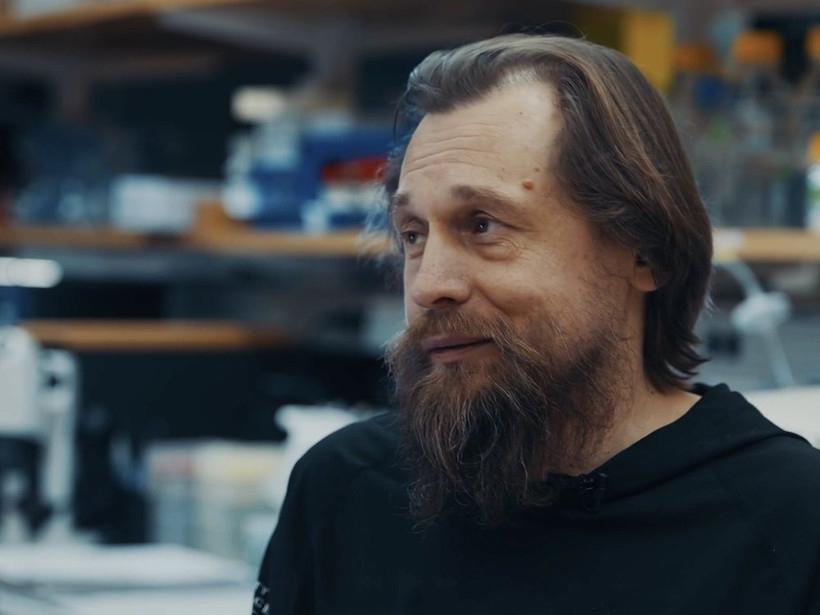
Vadim Gladyshev

Vadim Gladyshev

Aging biologist · Harvard

Vadim Gladyshev runs a laboratory at Harvard studying the comparative biology of aging. The work spans model organisms — mostly mice — and the species that break the rules: whales, naked mole rats, bats. It also spans human cohorts, tissues and cells. The comparisons are the point.

One of them is quietly startling. The cells inside your body share a genome and an ancestral cell, yet have wildly different lifespans: some turn over constantly, while neurons and cardiomyocytes are expected to last the whole life. Same instructions, same organism, radically different longevity. Whatever explains that is likely to explain a great deal else.

“My main goal is to understand aging. It’s impossible to target without understanding — and currently there is no understanding of aging.”Vadim Gladyshev

Full page on Live Beyond — opening in September
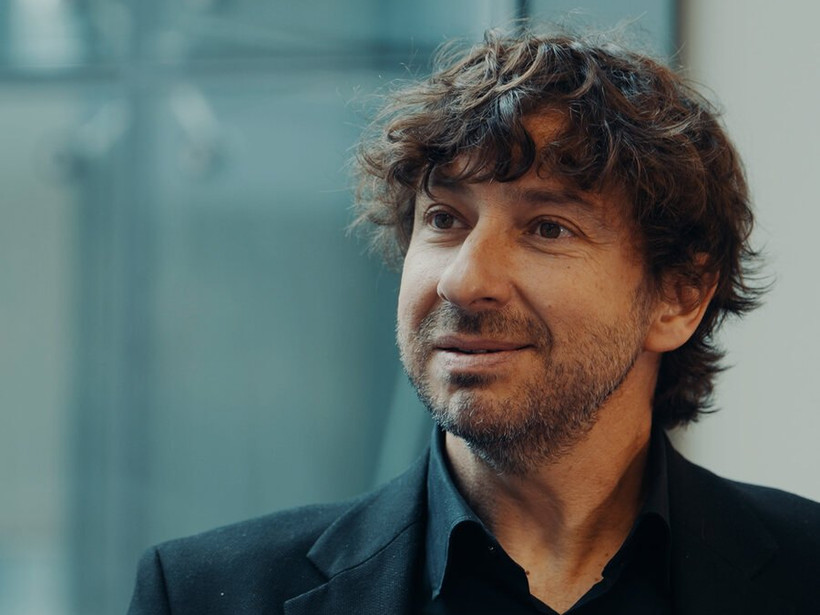
David Furman

David Furman

Immunologist · Buck Institute

David Furman is an immunologist and data scientist at the Buck Institute for Research on Aging and Stanford, where he studies how the immune system quietly drives the diseases of aging across our organs.

His signature idea is that chronic inflammation — "inflammaging" — is a common thread running through the illnesses we fear most. To measure it, he built the iAge inflammatory clock, an AI biomarker that reads biological age from a person's immune data, and he leads the 1000 Immunomes Project mapping how our immune systems change over a lifetime.

“We can put human cells or organoids in constant free fall — simulated microgravity — and accelerate their aging by about five years in twenty-four hours.”David Furman

Full page on Live Beyond — opening in September
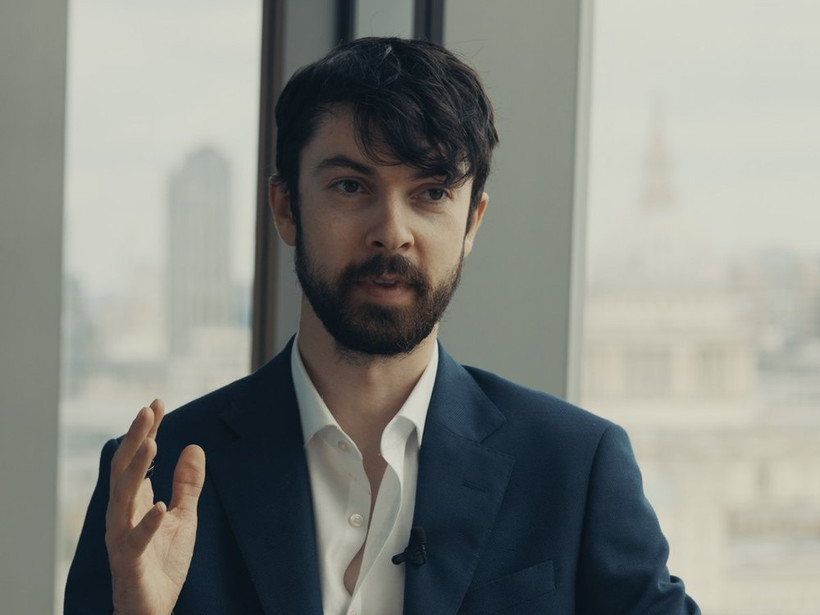
Oliver Zolman

Oliver Zolman

Rejuvenation doctor · London

Oliver Zolman is an evidence-based longevity doctor — and one of the most quietly ambitious people on the quest. He has been in the field for over a decade, since medical school, inspired by the same names that recur across this site: Aubrey de Grey, George Church, and the bioelectricity pioneer Michael Levin.

His mission is stated with unusual precision: to reverse biological ageing across all 82 organ types. To do it he built a framework — a Level 1, 2, 3 protocol that folds hundreds of ageing tests and therapies into a single, personalised, adaptive plan, with the aim of proving rejuvenation in every organ, measurably. If you have seen the Netflix documentary Don’t Die, you have seen his work: he is the physician behind much of Bryan Johnson’s Project Blueprint.

“One of the easiest ways, in theory, to solve ageing is the replacement strategy — grow a healthier organ and replace it, rather than running a hundred therapies.”Oliver Zolman

Full page on Live Beyond — opening in September
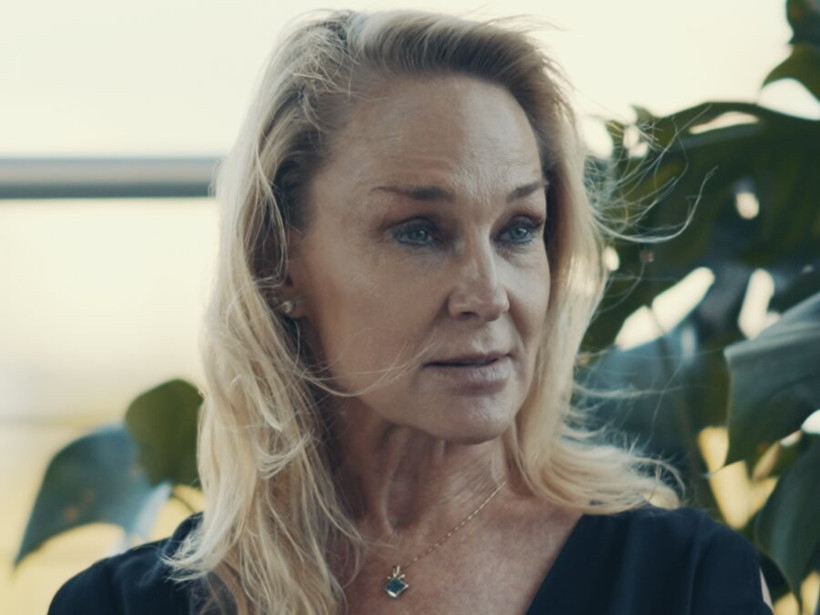
Sandy Kaufmann

Sandy Kaufmann

Author, The Kaufmann Protocol · Miami

Sandra Kaufmann began as a cell biologist, became a physician, and has spent twenty-five years as a pediatric anesthesiologist — a career built on knowing exactly how molecules move through the human body. Then she turned all of it on aging.

"I'm absolutely obsessed with the idea of biohacking," she told us, "because I love the idea of manipulating age and disease. To me, it's the greatest puzzle ever invented."

“There's no way one or two things is going to defeat aging. You have to take enough different things to cover all of the different reasons that you're aging.”Sandy Kaufmann

Full page on Live Beyond — opening in September
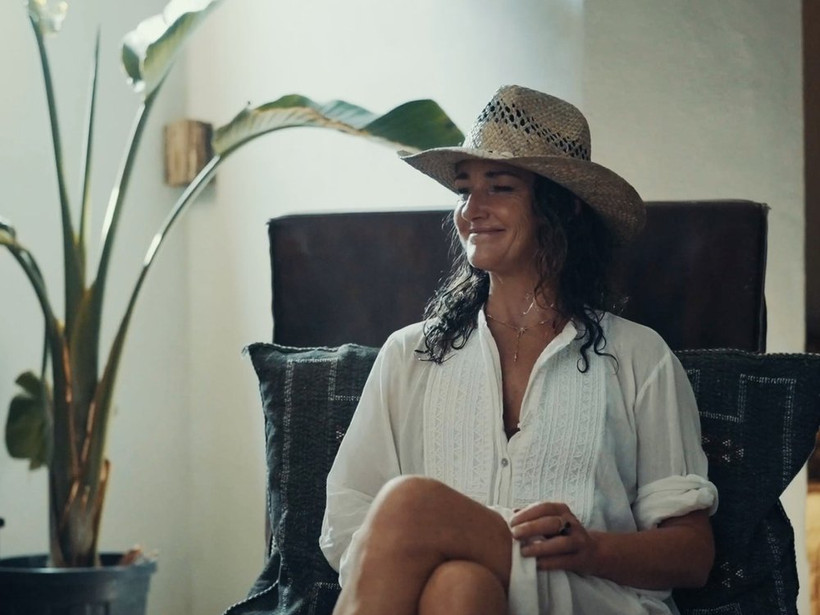
Tamsin Lewis

Tamsin Lewis

Performance & longevity physician · UK

When Marek asked around London for who to see, the answer kept coming back the same: “Go and see Dr Tam.” Dr Tamsin Lewis is a longevity and performance doctor, founder of Wellgevity, and by her own count fourteen years into the field — long before it was fashionable. She hosted the Formentera leg of the quest, and the interview happened on the island.

She has had, in effect, three careers, and they stack. First an elite athlete (her father was a professional sportsman), then a psychiatrist, and now a longevity doctor. She describes herself as kind, inclusive and non-dogmatic — no finger-wagging, no “you must take this at this time” — and credits the psychiatry for teaching her to read the human first and build the health plan on top.

“Many of our self-destructive behaviours, driven by poor mental health, have a physical driver.”Tamsin Lewis

Full page on Live Beyond — opening in September

And everybody else we met on the road

Matt Kaeberlein · Christine Huang · David Karow · Gary LeBlanc · David & Dane Gobel · Vincenzo Sorrentino · Jan Gruber · Avi Roy · Prince Michael von Liechtenstein · Julie Chen · Patrick Sewell · Alireza Haghighi · James Arrowood · Max More · Margaret Hiller · Niraj Naik · Mya Thieme · Emanuele Denobili · Guido Kroemer · Kasia Redman · Boris Djordjevic · Aryana Apanaska · Tim Veron · Phil Newman · Alexey Strygin · Kit Mah · Andrew Steele · Carolina Reis Oliveira · Alessandra Zonari · Nikolina Lauc · Leslie Kenny · Larry Callahan · Richard Barker · Anna Campbell · Ian White · Angelina Saunders · Eric Dinenberg · Brendan Coates · Felipe Salech · Liv Kraemer · Kathryn Koh · Nicole Gibson · Nadeem Jiwani · John Davies · Anna Milani · Cory Goldberg · Shane Saunders · Michael Lim · Vera Gorbunova · Chiara Herzog · Brianna Stubbs · Stephanie Dainow · Naras Lapsys · Paul Chen · Wei Wu He · Katia Dowling · Yochai Shavit · Paola Demurtas · Craig McGee — and many more.

The full directory of everyone we met, on the Live Beyond Hub

The Longevity Map

Get the Map. It is free, and it is the whole field on one page.

The Longevity Map will guide you to a longer, healthier and more fulfilling life. It gives you a helicopter view on all branches of the longevity field.