
A walk in a cemetery: what the longest study of life taught Alek and me
Robert Waldinger walked my son and me through a Boston cemetery and told us what 86 years of Harvard research found keeps us healthy: other people.
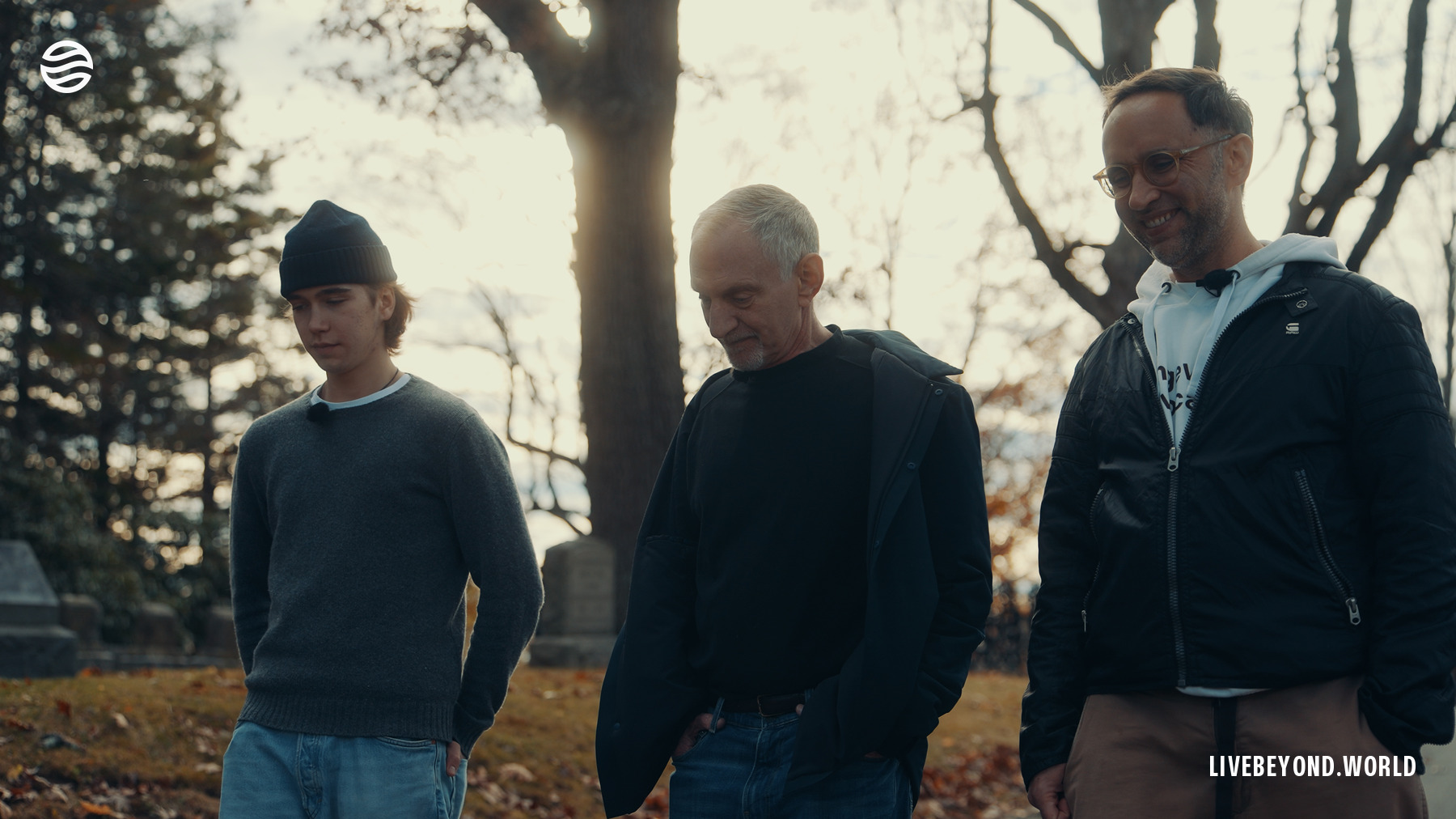
Of all the places to talk about living longer, Robert Waldinger picked a cemetery. Boston, November 2024, a cold and sunny day. My son Alek, 18 at the time, walked right next to me.
I hadn’t even heard of Robert before that trip. At Harvard Medical School, the geneticist Alireza Haghighi told me I simply had to meet him, because his TED talk is among the most watched ever. So I wrote to him on LinkedIn and sent our teaser. He said yes. Why the graveyard? He explained:
I thought meeting in the cemetery was appropriate because you’re studying longevity and how we live, and it’s really helpful to be reminded of how beautiful it can be to be in a graveyard.
Robert directs the Harvard Study of Adult Development. It started in 1938 with 724 young men, Harvard students and boys from the poorest parts of Boston. One of them was John F. Kennedy. When the men turned 80, the team went back to what they had known about them at 50, and asked what had predicted a long, happy, healthy life:
We thought it would be blood pressure or cholesterol level, but it wasn’t. It was how satisfied you were with your relationships.
The real surprise for them was the body. How can the people around you change what happens inside you?
It’s the physical health effects that were the most surprising, ’cause how could it be that my relationships could actually shape my physiology? How could that be? But we’re finding out how.
Alek guessed it was stress, and Robert agreed. A lonely, tense life keeps the body on alarm. Over the years that becomes chronic inflammation, a quiet fire inside us, and it ages us fast. Warm relationships switch the alarm off. And the study itself proves the point. Most studies like it fall apart within ten years. This one was 86 when we met, and only 22% of its people had left. The secret was care:
We would write them thank-you notes when they would return a questionnaire. We would send them birthday cards. I mean, it’s about building a community.
A study about relationships survived 86 years thanks to relationships.
There was a harder lesson too. The men from the poor neighborhoods were, on average, just as happy as the Harvard men. Yet they died ten years earlier. Part of it was medical care, part was learning later what to change in their lives. That is why my first rule of longevity is: don’t die of something you could prevent. Then Alek asked Robert for the biggest lesson of the whole study. One half of it came from a study member:
One of our study members said, ‘Take care of your body like you’re going to need it for 100 years.’
Before we left, I asked him a father’s question: what would he tell himself at 18, the age Alek was then? He said he hadn’t thought about longevity at all at that age. Then he answered:
No. I would say, find the things that make you happy, find the things that you care about, and don’t worry about what other people think. Find the things you really wanna do and you’ll be happier, and then you’ll be healthier.
Next year you’ll see this walk in our film, “Live Beyond. Father and Son on a Quest for Longevity”. And now you: did you tell someone close to you this week how much they mean to you? Just tell me yes or no.
Answers on this topic
Do good relationships help you live longer? →
Stress can make you stronger, if you let yourself recover →
The whole walk with Robert, with photos and every voice, is on the Live Beyond Hub:
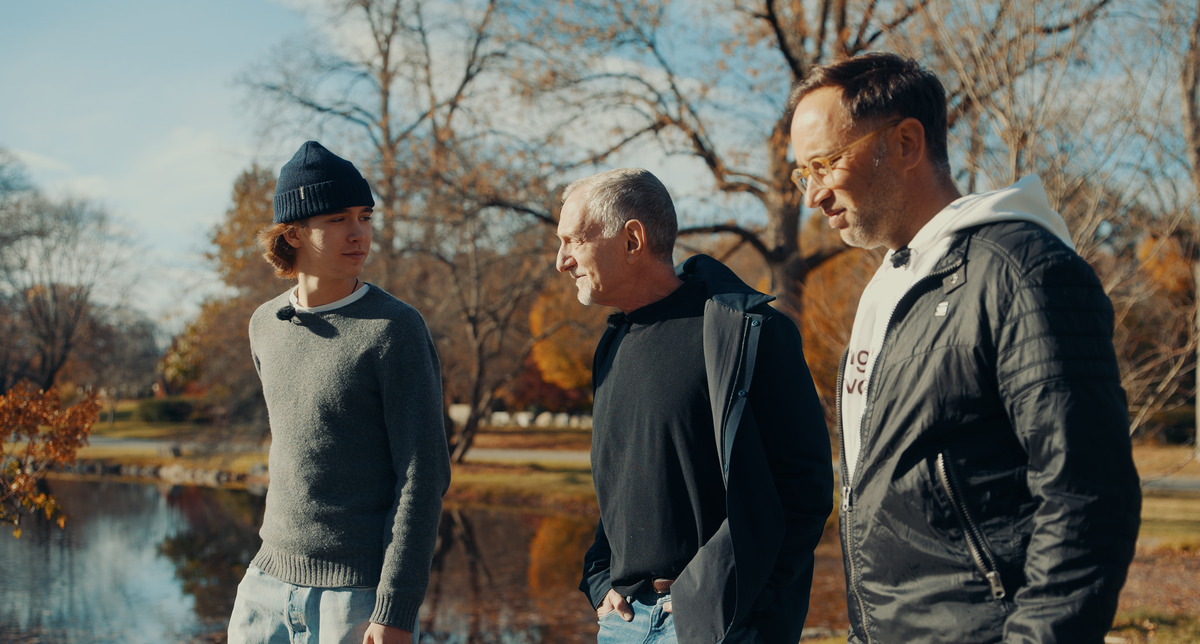
The full article on the Live Beyond Hub
Not cholesterol: what Robert Waldinger told my son and me
10-minute read · 9 photographs · 4× longer than this page
Written by Marek Piotrowski. If you would like the Longevity Map that sits behind all of this, it is yours, with its Guide: ask for it here.
Get the Map and its Guide. The whole field on one page, and the stories behind it.
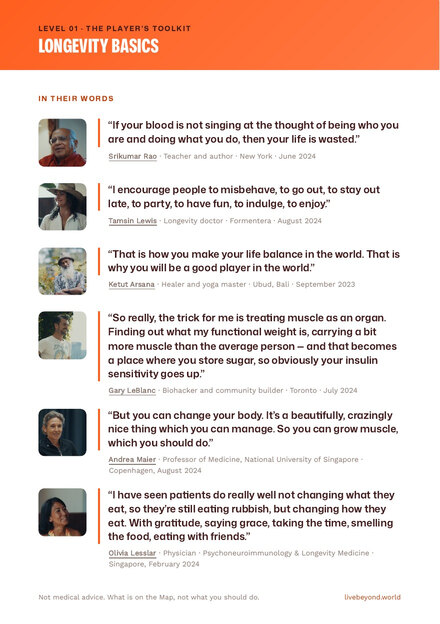
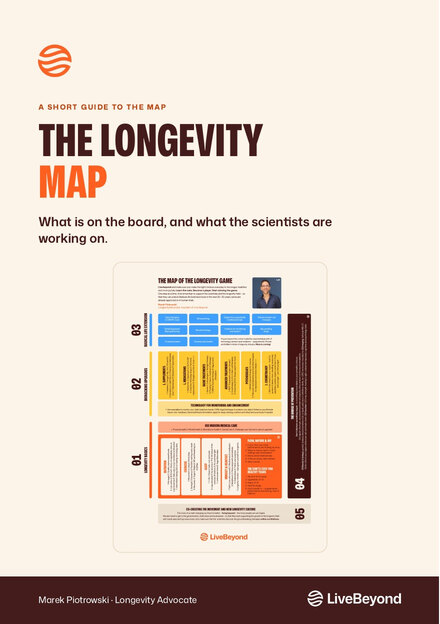
The Longevity Map will guide you to a longer, healthier and more fulfilling life. It gives you a helicopter view on all branches of the longevity field.