
More people want to live longer than will ever say it.
For a year my son Aleksander and I sat with the people working on how long and how well we live: 39 countries and states, more than a hundred scientists, doctors and experts.
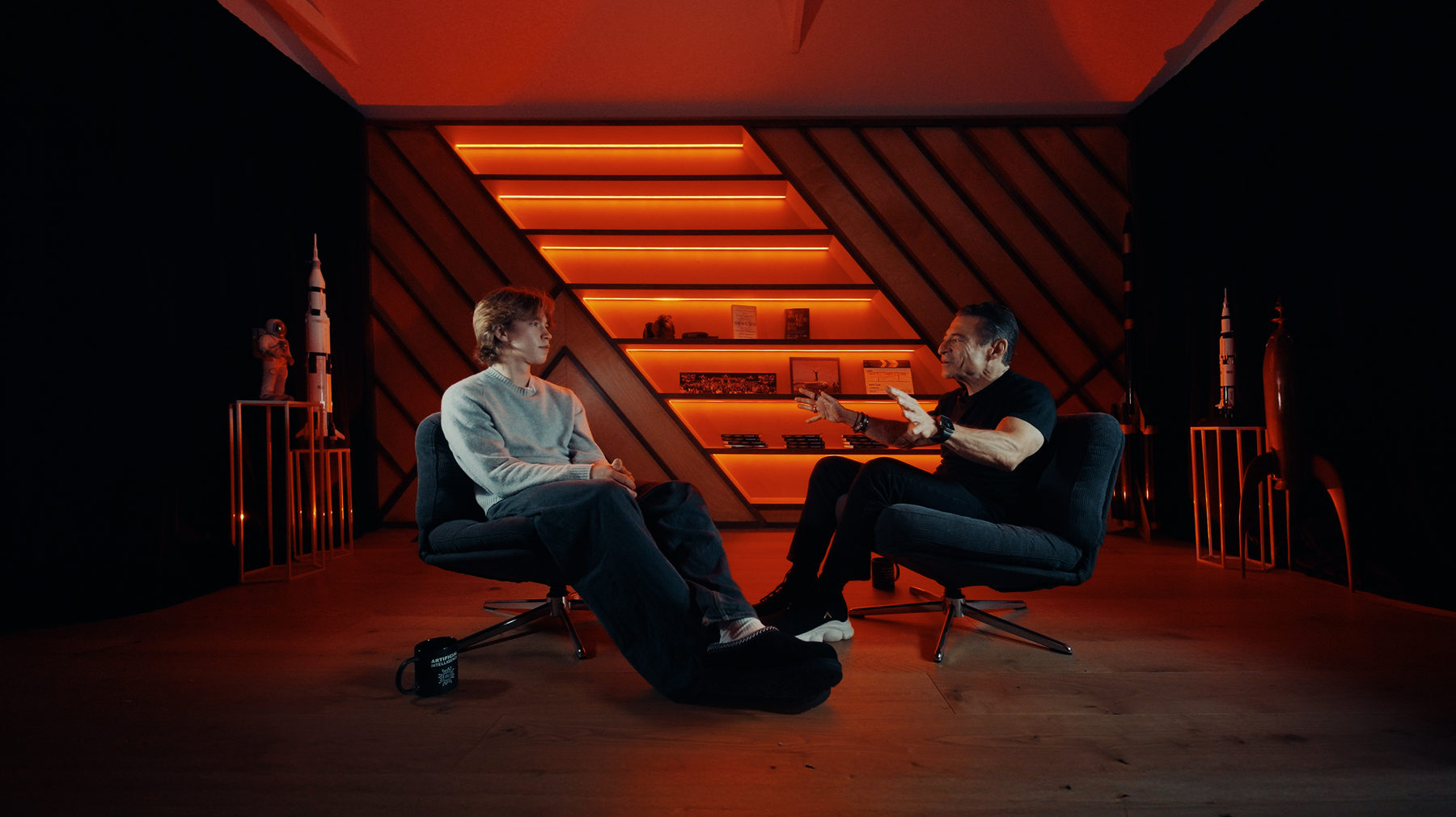
He came back to Warsaw full of it and told his friends. The answer was always some version of the same thing: whatever. When I have to die, I have to die.
A year later, in Los Angeles, Peter Diamandis asked him how it was going with the people closest to him. Alek did not dress it up:
“Everybody’s reluctant, unfortunately.”
I used to think the cure for that was more information. It is not.
For four thousand years, not thinking about ageing was the sensible thing to do. The oldest story we have written down, Gilgamesh, is about a man who sets out to beat death, and loses. When nothing can be done, looking away is how you stay sane.
What changed is that something can now be done. Inside a single career, ageing went from a fate to a field, with laboratories and trials behind it. Most people were simply never told.
The second reason I only understood at Harvard. Allison Duettmann, who runs the Foresight Institute, gave it a name I had never heard:
“This dynamic of falsified preferences. Like, if no one ever speaks out about something, then you’re the odd one out.”
The wanting is already there. When the Oxford Longevity Project and Roundglass asked 14,000 adults in 25 markets in 2024 whether they would want to live forever, 37.4% said yes: exactly as many as said no. What is missing is not desire. It is permission.
So here is the smallest thing that moves a culture. One sentence, said out loud:
I want to live way past 100, 150 (or put your own number), in great health and shape. And I’ll do everything to make that possible.
Say it at dinner and watch the table go quiet. Then notice that the next person who says it finds it a little easier. That is how it spreads, and it has never spread any other way.
You cannot fund a laboratory this afternoon. You can say one true sentence, to one person, this week.
I have written the whole story: Alek’s year, the three numbers that changed my mind, and what one of the scientists told us about who is really to blame. It is the second article in the weekly series, and it is published on our new home:
livebeyond.world/articles/nobody-believed-him.html
Written by Marek Piotrowski. If you would like the Longevity Map that sits behind all of this, it is free — ask for it here.
Get the Map. It is free, and it is the whole field on one page.
The Longevity Map will guide you to a longer, healthier and more fulfilling life. It gives you a helicopter view on all branches of the longevity field.